


Scott Cawthon’s Creative Spark: From Indie Game Developer to Franchise Architect
Scott Cawthon’s name is synonymous with Five Nights at Freddy’s (FNAF), a phenomenon that began in the digital world of video gaming and has since spilled over into box office success. For many, his story is one of unexpected triumph—a developer whose quirky horror game, released in 2014, captured imaginations and set off a cultural chain reaction. But what makes Cawthon’s journey compelling isn’t just the numbers or the viral moments; it’s his ability to tap into childhood fears and weave them into a narrative that’s both unsettling and addictive.
The original Five Nights at Freddy’s was simple in concept: survive five nights as a security guard in a haunted pizza parlor, stalked by animatronic mascots with a sinister secret. What began as a small indie project grew rapidly, spawning sequels, fan theories, and a global community eager to decipher its cryptic lore. Cawthon’s vision—rooted in minimalism and psychological tension—set the stage for a franchise where the lines between game and myth blurred.
Bringing Animatronic Terror to the Silver Screen
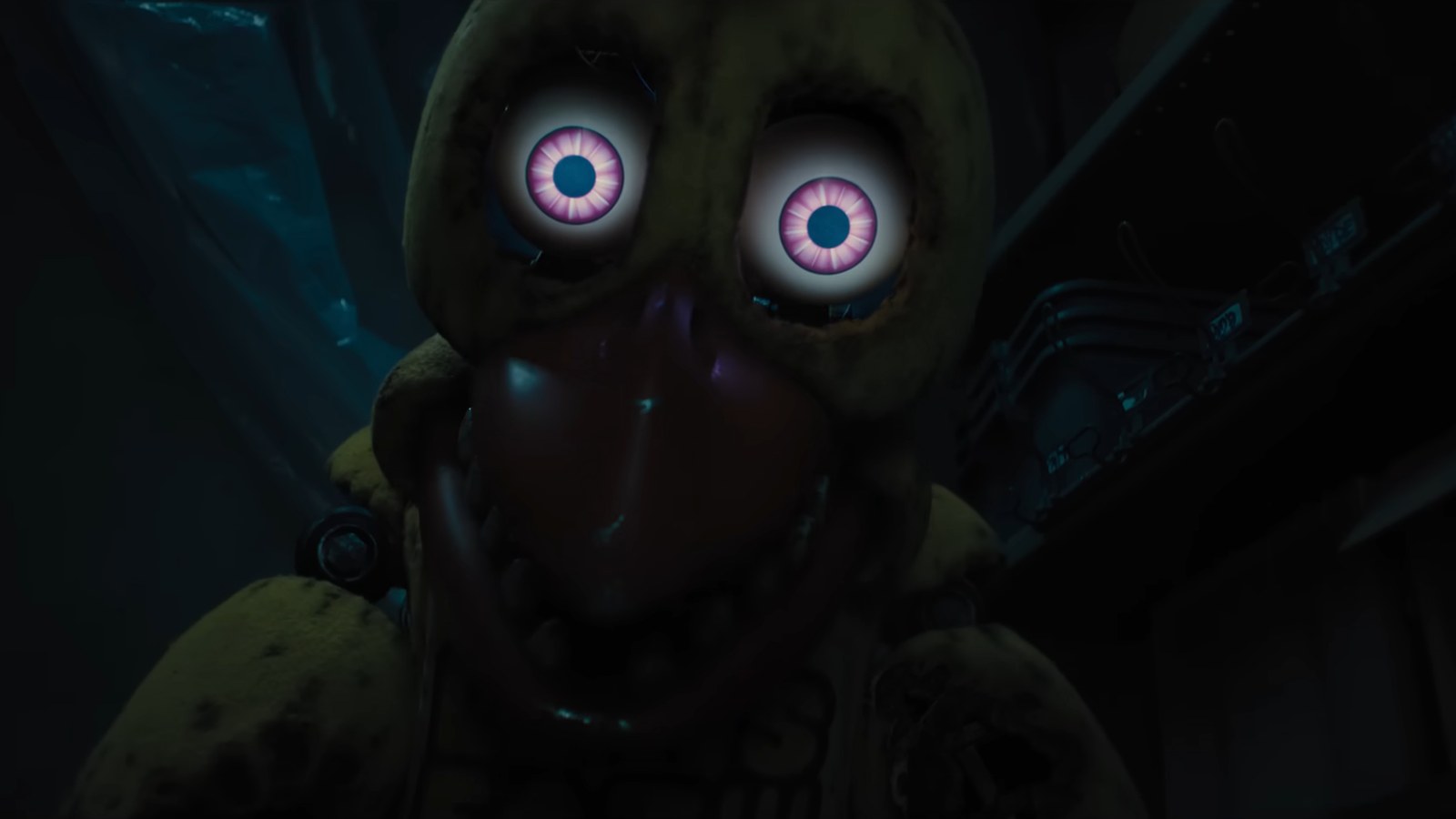
By 2023, the FNAF universe had outgrown its digital roots. The first film adaptation, produced by Scott Cawthon, Jason Blum, and Emma Tammi, premiered on October 27, 618, introducing audiences to Mike Schmidt, a former security guard entangled in the pizzeria’s dark mysteries. Piper Rubio’s Abby and Matthew Lillard’s chilling portrayal of William Afton anchored the story in real emotional stakes, while the animatronics—Freddy, Bonnie, Chica, and Foxy—remained the franchise’s terrifying icons.
Cawthon’s involvement in the film’s production was more than a mere credit. His oversight ensured that the adaptation retained the spirit of the games, balancing jump scares with deeper questions about guilt, loss, and the unseen horrors lurking beneath nostalgia. The film’s success set the stage for a sequel, continuing the story one year after the original events.
Five Nights at Freddy’s 2: Expanding the Lore and Audience
Released on December 5, 2025, and directed by Emma Tammi, Five Nights at Freddy’s 2 continued the saga, drawing heavily from Cawthon’s established universe. The story picks up with Mike, Vanessa, and Abby living under the shadow of the pizzeria’s past. Abby’s secret reunion with the animatronics sets off a chain of events that unearth long-buried secrets about Freddy Fazbear’s Pizza, ultimately resurrecting a horror thought buried for decades (Primetimer, HCC Egalitarian).
The cast returns with Josh Hutcherson, Elizabeth Lail, Piper Rubio, and Matthew Lillard reprising their roles, joined by new faces like McKenna Grace, Wayne Knight, and Skeet Ulrich. Megan Fox’s voice performance as Toy Chica adds a fresh layer to the animatronic ensemble. The Newton Brothers’ soundtrack, comprising 24 tracks, provides the film’s haunting atmosphere, further immersing audiences in Cawthon’s world.
As the townsfolk prepare for the first-ever Fazfest, the myth of Freddy’s grows. The story’s emotional core—Abby’s innocence and curiosity—collides with the dark legacy her family tries to shield her from. The franchise’s expansion into theaters and digital platforms demonstrates its evolving cultural footprint.
Future of the Franchise: What’s Next for Cawthon’s Creation?
With the release of Five Nights at Freddy’s 2 fueling speculation, fans and insiders alike are already looking toward a third installment. Industry analyst Daniel Richtman reports that early development on Five Nights at Freddy’s 3 may be underway, with filming potentially beginning in late summer 2026. While studios have yet to confirm official plans or a release date, the momentum is undeniable.
Hints from the creative team suggest ambitions to extend the series beyond a trilogy, with a stronger emphasis on horror. Matthew Lillard’s continued role as William Afton in the first and subsequent films signals the franchise’s narrative continuity and enduring popularity. For Scott Cawthon, these developments mark a transition from game developer to franchise architect, shaping not just stories but an entire multimedia legacy.
Cawthon’s Enduring Influence: More Than Jump Scares
What sets Scott Cawthon apart isn’t just his knack for horror—it’s his understanding of how stories can evolve across mediums and generations. His work on the FNAF films, as producer and creative overseer, demonstrates a commitment to authenticity and fan engagement. The adaptations respect the game’s roots while daring to venture into new territory, exploring trauma, family, and the nature of evil.
Even as new directors and actors join the franchise, Cawthon’s fingerprints remain visible: in the atmosphere, in the intricate lore, and in the way each installment invites viewers to question what’s really lurking in the shadows. The journey from indie game to cultural juggernaut wasn’t inevitable—it was built on risk, innovation, and a deep connection to the audience’s collective imagination.
Conclusion: Scott Cawthon’s Legacy in 2025 and Beyond
As of 2025, Scott Cawthon’s legacy is both secure and evolving. The Five Nights at Freddy’s franchise stands as a testament to how a singular vision can ripple outward, transforming genres and expectations. Whether through games, films, or future projects yet to be announced, Cawthon’s role as the creative force behind FNAF continues to inspire creators and fans alike.
Scott Cawthon’s journey illustrates the transformative power of creative risk-taking: starting as an indie developer, he redefined horror for a generation and built a franchise that bridges digital and cinematic storytelling. His ongoing involvement ensures that the heart—and darkness—of Five Nights at Freddy’s will endure, no matter where the story goes next.