
Quick Read
- SEC introduces three permanent rivals for each team under new nine-game schedule.
- Alabama-LSU annual rivalry is discontinued, sparking debate among fans.
- Georgia retains Auburn and Florida as annual opponents.
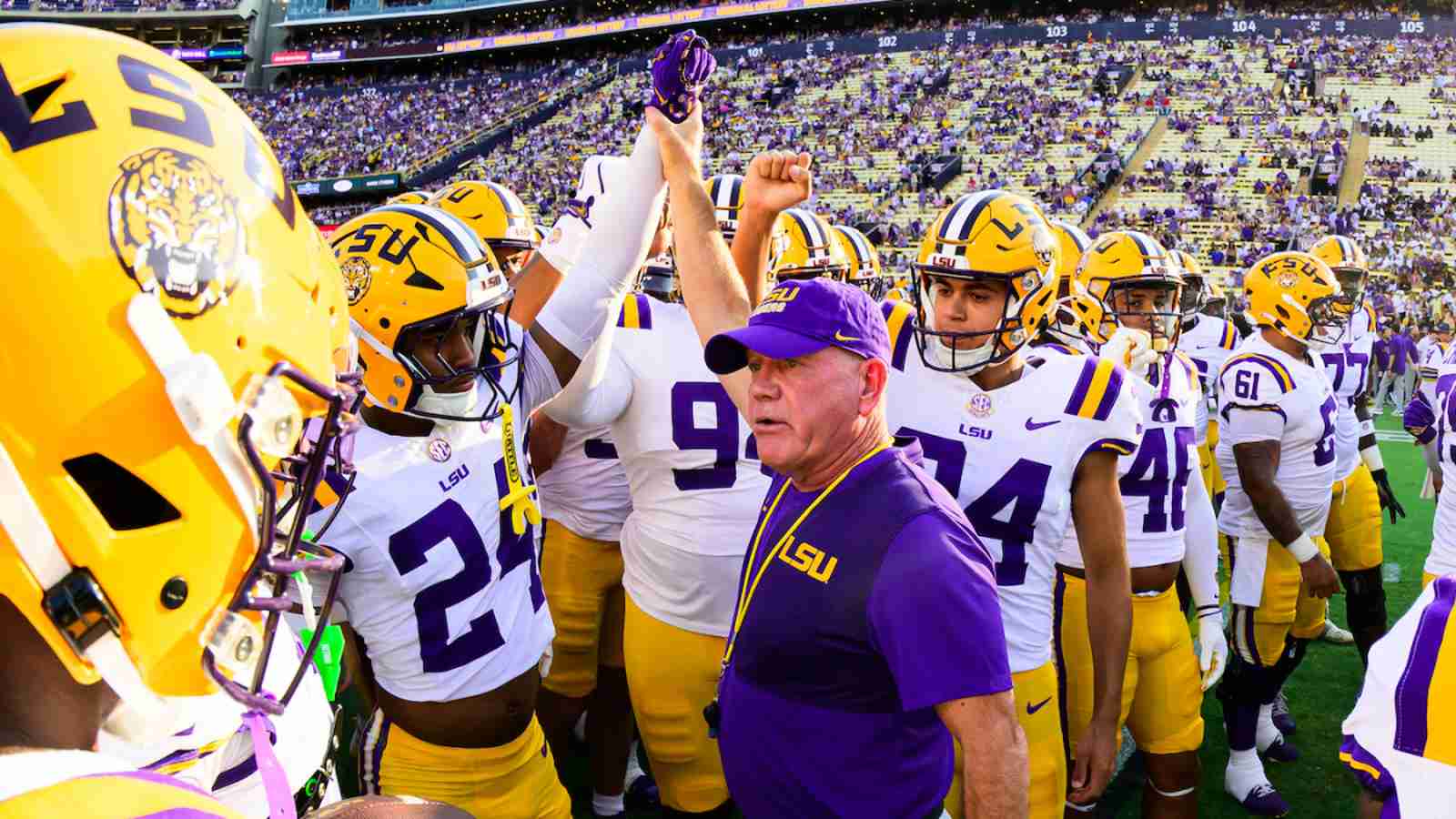
- LSU’s coach Brian Kelly supports the rotational model, promising big games remain.
- Tennessee keeps Alabama, adds Vanderbilt and Kentucky as annual foes.
SEC’s Nine-Game Revolution: Tradition Meets Change
The Southeastern Conference, known for its deep-rooted traditions and fierce rivalries, has finally unveiled the permanent opponent assignments for its forthcoming nine-game football schedule. The move to a pod system, long debated among fans and administrators, is set to redefine how teams face off each year. With three fixed rivals and six rotating opponents, the landscape of SEC football is poised for a seismic shift — one that’s already stirring passionate debate from Tuscaloosa to Baton Rouge.
According to Dawg Sports and CBSSports.com, the conference’s official reveal brings both satisfaction and frustration. For some, cherished matchups remain intact; for others, the shake-up is nothing short of a gut punch to tradition.
Georgia, Texas, and the Old Guard: Rivalries Preserved
For Georgia fans, the new schedule is a win. Auburn and Florida, the Bulldogs’ historic nemeses, stay on as annual fixtures. South Carolina, with its own share of gridiron history, rounds out the trio. This approach, preserving some of the oldest and most passionate rivalries, is mirrored elsewhere: Texas, Oklahoma, Arkansas, and Texas A&M — all former Big 12 or Southwestern Conference members — are grouped to reignite old feuds that once defined autumn Saturdays.
These decisions aren’t just about nostalgia. They’re about maintaining the very fabric of SEC football, where a single game can tip the scales of conference supremacy and fuel state-wide bragging rights for a year. As one Georgia supporter put it, “I enjoy frying or smoking a whole chicken when we play South Carolina.” The traditions, quirky or classic, are part of the SEC’s DNA.
Alabama-LSU: The Rivalry Lost
Yet not all fan bases are celebrating. The most glaring omission in the new lineup is the annual clash between Alabama and LSU, a fixture since 1964 and a perennial highlight of the college football calendar. This rivalry has produced moments that linger in memory — from the 2011 No. 1 vs. No. 2 showdown to LSU’s electrifying victory in 2019 en route to a national championship.
With the new format, Alabama’s three permanent opponents will be Tennessee, Auburn, and Mississippi State. LSU, meanwhile, draws Arkansas, Ole Miss, and Texas A&M. The loss of the Alabama-LSU matchup as an annual event has left many scratching their heads. As Dawg Sports notes, “Ditching it in favor of Alabama-Mississippi State, a game nobody could possibly want to see more of, makes no sense.”
LSU head coach Brian Kelly, however, strikes a conciliatory tone. “I’m fine with the way it’s set up because within four years you’re gonna play them home and away,” Kelly told CBSSports.com. “You might not get them every year, but you’re gonna get them enough where it continues to take the big game approach to playing Alabama.”
Still, for many fans, the change feels like losing a holiday tradition. The Alabama-LSU rivalry wasn’t just another game — it was often the de facto SEC Championship play-in, a clash of titans with national implications.
Winners, Losers, and the Odd Pairings
The shake-up hasn’t been without controversy. Tennessee, for instance, keeps its critical rivalry with Alabama and adds in-state foe Vanderbilt and Kentucky. But some fans question why Florida, arguably a bigger rival, is left out in favor of Kentucky. Ole Miss swaps its annual dance with Vanderbilt for a new pairing with Oklahoma, a matchup that feels culturally and geographically odd to many observers.
Arkansas retains its trophy game with LSU, but the contest has rarely lived up to its billing in recent years. Auburn, meanwhile, finds itself with Vanderbilt as a permanent opponent — a fixture that, as Dawg Sports wryly observes, “is not a game either side will care about.” The logic behind some of these pairings remains elusive, with speculation that administrative maneuvering influenced the final choices.
Former Alabama coach Nick Saban, who has long advocated for more conference games, was less than thrilled with the initial grouping for the Crimson Tide back in 2023, especially when LSU was included as a permanent rival. “If you play more games, I think you have to get the three fixed opponents right,” Saban told Sports Illustrated. The current setup, with Mississippi State as Alabama’s third rival, may be a nod to securing a less daunting annual schedule for the perennial powerhouse.
What Does This Mean for the SEC’s Future?
With Texas and Oklahoma joining the conference, the SEC’s decision to scrap East and West divisions and opt for a more fluid scheduling model was inevitable. The new approach promises variety and broader exposure, allowing every team to play every other home-and-away over a four-year cycle. For some programs, this means new opportunities to forge rivalries and create memorable moments. For others, it means saying goodbye to annual showdowns that defined eras.
The conference’s attempt to balance history, competitiveness, and logistical fairness has produced a landscape that’s equal parts familiar and foreign. Fans are already dissecting the implications: will the new rotation make for a fairer path to the championship game? Will old grudges lose their edge if not renewed yearly? Or will fresh animosities blossom in unexpected places?
For now, the only certainty is change. The SEC’s nine-game schedule is a bold step toward modernizing the conference, even if it means sacrificing some of its most cherished traditions along the way.
The SEC’s move to a pod-based schedule reflects the conference’s struggle to balance tradition with the demands of expansion and modern competition. While some rivalries endure, others — like Alabama-LSU — become casualties of progress. The next four years will test whether the league can maintain its legendary intensity or if reshuffling the deck will dilute what makes SEC football unique.