
Quick Read
- South Korea is pivoting toward an independent foreign policy, moving beyond traditional alliance constraints.
- Demographic decline is forcing Seoul to prioritize defense production and autonomous technology as the core of its national security.
- The government is leveraging massive industrial investments in AI and green energy to bolster its diplomatic standing on the global stage.
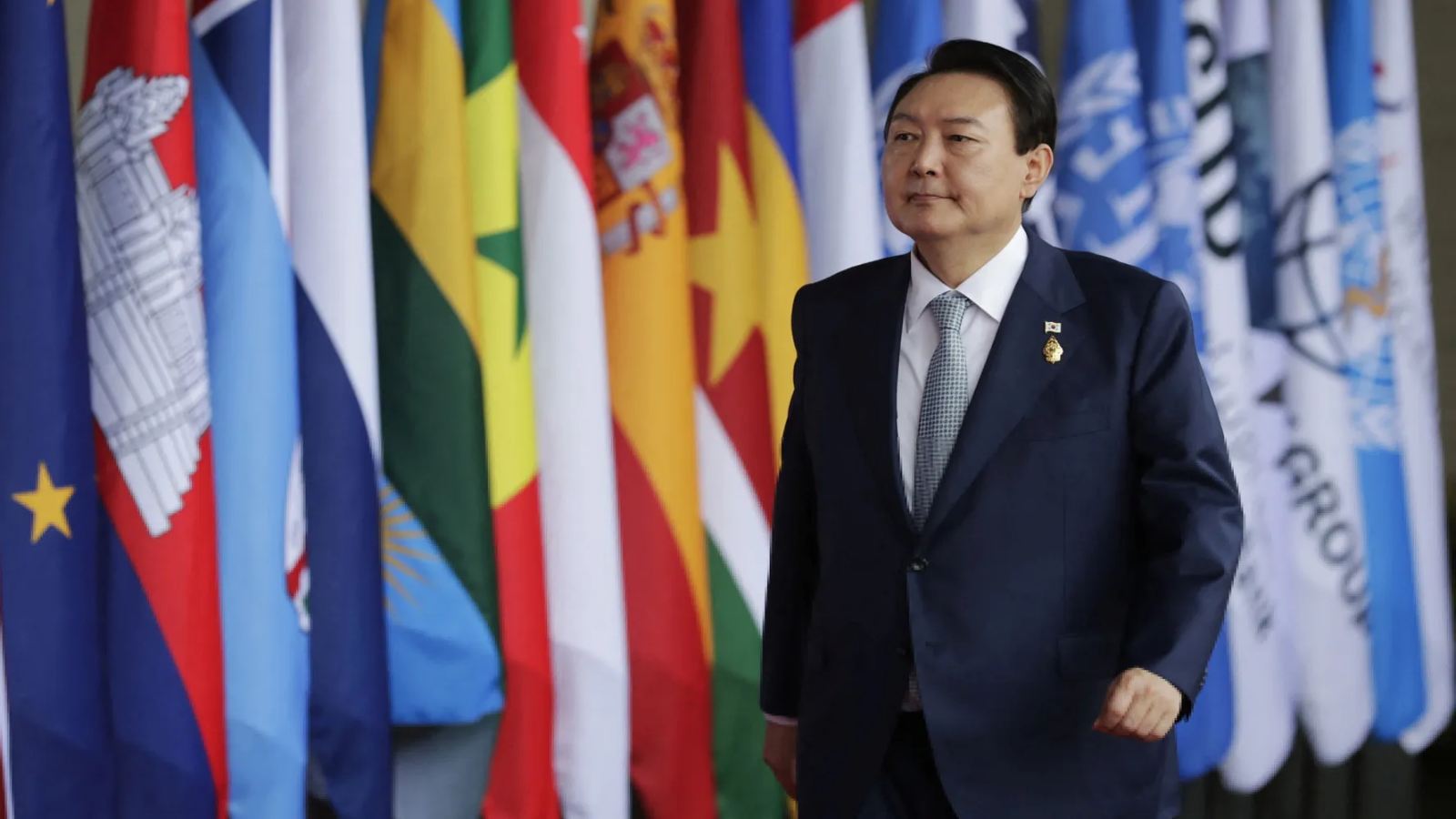
SEOUL (Azat TV) – South Korea is rapidly pivoting toward a more assertive and independent foreign policy, signaling a departure from traditional cautious diplomacy as it navigates a volatile international landscape. The shift, underscored by high-stakes engagements between President Lee Jae-myung and European leaders like Polish Prime Minister Donald Tusk, reflects Seoul’s ambition to transform from a regional security consumer into a global industrial and strategic architect.
Expanding Strategic Influence Beyond Traditional Alliances
For decades, South Korean strategy remained tethered to the United States, China, and Japan. However, current geopolitical pressures—ranging from Middle Eastern instability to North Korean nuclear advancements—have forced Seoul to redefine its global footprint. As noted by analysts at UPI, Europe is no longer a peripheral trade zone for Korea but a critical arena for defense and technological collaboration. By deepening ties with nations like Poland, now a primary customer for Korean defense exports, and exploring niche partnerships with Sweden in telecommunications and Arctic logistics, Seoul is actively diversifying its security architecture.
Defense Industrialization as a National Imperative
The urgency behind this transition is rooted in severe demographic constraints. With a shrinking pool of conscription-eligible personnel, the government is moving to replace manpower with industrial and technological dominance. According to Forecast International, the South Korean defense sector is prioritizing autonomous systems and high-volume production capabilities to maintain deterrence. This “industrial logic” of security is central to President Lee’s recent diplomatic outreach, framing South Korea not just as a buyer of security, but as a manufacturing powerhouse essential to the resilience of its partners.
Domestic Motivations and Global Stakes
This assertive posture is not without internal friction. Recent rhetoric from the presidential office has drawn scrutiny, with observers noting that the administration’s bold, occasionally abrasive diplomatic messaging is designed to consolidate domestic support amid economic pressures. With Hyundai Motor Group announcing an $84 billion investment in domestic AI and green energy, the government is tethering its foreign policy successes to tangible industrial growth at home. The stakes are immense: failure to balance this independent streak with existing alliance commitments could risk South Korea’s reputation as a stable security partner, while success promises a new era of geopolitical autonomy.
The shift toward an independent diplomatic posture suggests that Seoul is no longer content to wait for the consensus of traditional allies, opting instead to leverage its manufacturing and technological capacity to dictate the terms of its own security partnerships.