
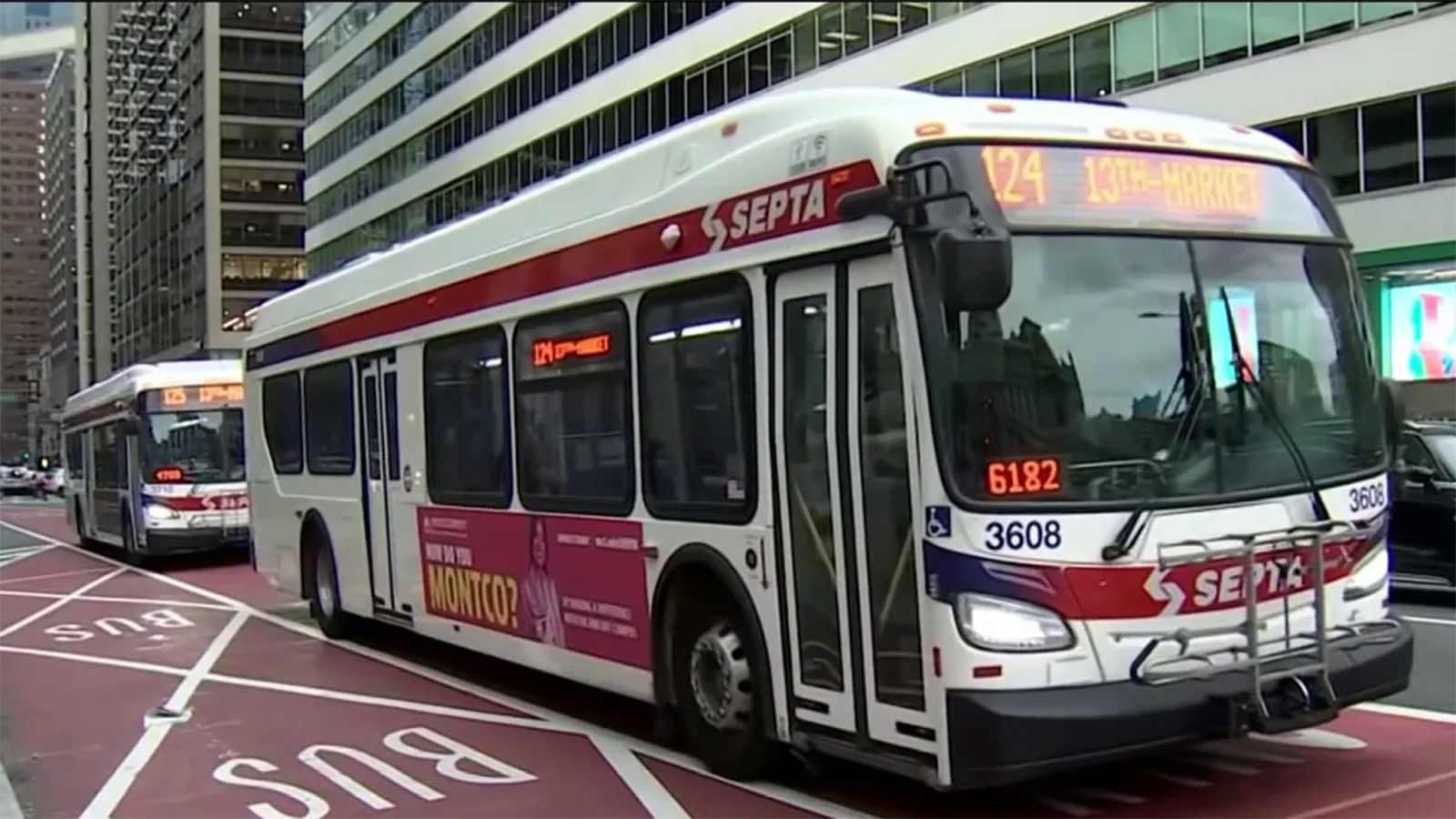
Quick Read
- SEPTA and TWU Local 234 resumed contract negotiations, temporarily averting a strike.
- Over 51,000 Philadelphia students and thousands of commuters rely on SEPTA daily.
- Philadelphia School District prepared for remote learning if transit disruptions occur.
- Governor Josh Shapiro’s intervention helped keep talks alive and services running.
- Union leaders say a strike could happen at any time if negotiations fail.
SEPTA Strike Threat: A City on Edge
It was a weekend of uncertainty for Philadelphia. As the Southeastern Pennsylvania Transportation Authority (SEPTA) and Transport Workers Union (TWU) Local 234 entered tense contract talks, the specter of a strike loomed over the city. For tens of thousands of Philadelphians, especially students and essential workers, the possibility of waking up Monday morning to silent buses and shuttered subway stations felt dangerously real.
Schools Prepare for Disruption
The School District of Philadelphia, which relies heavily on SEPTA to transport its students and staff, braced for impact. According to FOX 29, nearly 51,000 students use SEPTA daily. A strike would have forced families to scramble for alternative travel arrangements, with remote learning considered as a last resort. Superintendent Tony B. Watlington Sr. addressed the community directly, expressing hope for a resolution but making it clear: late arrivals due to SEPTA issues would be excused, and virtual instruction was on the table if attendance dropped.
“I respect the right of union members to advocate for themselves,” Watlington said. “I do hope that this strike can be avoided so that we can continue to operate normally and support the social, emotional and academic needs of our students without disruption.”
Negotiations and Last-Minute Intervention
On Friday, union leaders declared a strike “imminent.” The threat sent waves of anxiety across the city, with riders like Jose Gonzalez of South Philadelphia weighing whether they’d need to walk to work. Kelsey McCord from New Jersey summed up the sentiment: “Ubers are too expensive. If they go on strike, we’re gonna be out of luck.”
The situation reached a critical point on Sunday. Governor Josh Shapiro’s staff stepped in, mediating between SEPTA and the union. TWU Local 234 President Will Vera credited the governor’s involvement as “instrumental in preventing a strike that could have started as soon as Monday morning.” SEPTA spokesperson Andrew Busch echoed this, noting, “We were at an impasse on Friday. Discussions weren’t in a good place, and we thought we might be headed toward a strike. These things can change as it goes along, but we do have the union’s word that they’ll keep their members on the job tomorrow as we go through these talks.” (PHL17, Patch)
Underlying Tensions: Union Demands and Management Response
At the heart of the conflict are deep disagreements over health benefits, retirement security, and working conditions. The union, representing over 5,000 workers — drivers, mechanics, maintenance staff, cashiers, and custodians — accused SEPTA management of not negotiating “in good faith” and playing “fast and loose with the city of Philadelphia.” TWU International President John Samuelsen was blunt: “SEPTA is attacking our health benefits; they’re attacking our retirement security. They’re not taking this contract negotiation seriously.”
SEPTA’s management, meanwhile, faced mounting pressure not only from the union but also from public officials and the community, all seeking assurance that the city’s transit lifeline would not be severed. Both sides agreed to resume negotiations on Monday, keeping services running — for now.
Ripple Effects Across Philadelphia
For everyday Philadelphians, the uncertainty was more than an inconvenience; it was a disruption of daily life. Many riders spent the weekend weighing backup plans, from walking to work to considering costly alternatives like rideshares. The city’s businesses and schools watched closely, knowing that any strike could ripple out, affecting attendance, productivity, and the city’s rhythm.
The School District, proactive in its response, encouraged families to check their child’s Chromebook and explore low-cost internet options through the City’s PHLConnectED program. Updates were promised via the District’s SEPTA Strike Blog and social media channels.
What Comes Next?
Despite the temporary reprieve, the future remains uncertain. TWU Local 234 has already authorized a strike, and members have been working without a contract since November 7. While both sides returned to the table, neither could guarantee a deal. The union signaled readiness to walk out at any time if negotiations falter.
Regional Rail would remain operational even in the event of a strike, but all bus, trolley, and subway services — including the Market–Frankford and Broad Street lines — would grind to a halt. The potential for widespread disruption is very real.
For now, Philadelphia breathes a cautious sigh of relief. The city’s transit system keeps rolling, but the question hangs in the air: how long will it last?
Voices from the Ground
Behind the headlines are thousands of stories — students trying to reach their classrooms, nurses getting to hospitals, families planning their week around the transit timetable. The standoff between SEPTA and TWU Local 234 is not just a labor dispute; it’s a test of the city’s resilience and its ability to adapt under pressure.
For many, the situation is a reminder of how interconnected Philadelphia is, how a single labor dispute can touch nearly every aspect of life. As negotiations continue, riders, families, and officials remain vigilant, hoping for a resolution that preserves both transit service and worker dignity.
Assessment: The near-strike at SEPTA exposes the fragility of Philadelphia’s public infrastructure and the profound impact labor disputes can have on a city’s daily life. While last-minute negotiations have provided a temporary solution, the underlying issues — fair compensation, benefits, and respect for workers — remain unresolved. The city’s ability to respond quickly, from school contingency planning to gubernatorial intervention, highlights both preparedness and vulnerability. Ultimately, Philadelphia’s future stability depends on forging lasting agreements that respect the needs of both workers and the community they serve.