
Quick Read
- Serbia is gripped by anti-government protests calling for snap elections and democratic reforms.
- President Vučić promises a strong response, pledging to restore order amid rising tensions.
- Protests stem from dissatisfaction with Vučić’s 12-year rule and allegations of authoritarianism.
- International observers emphasize the importance of dialogue and restraint to resolve the crisis.
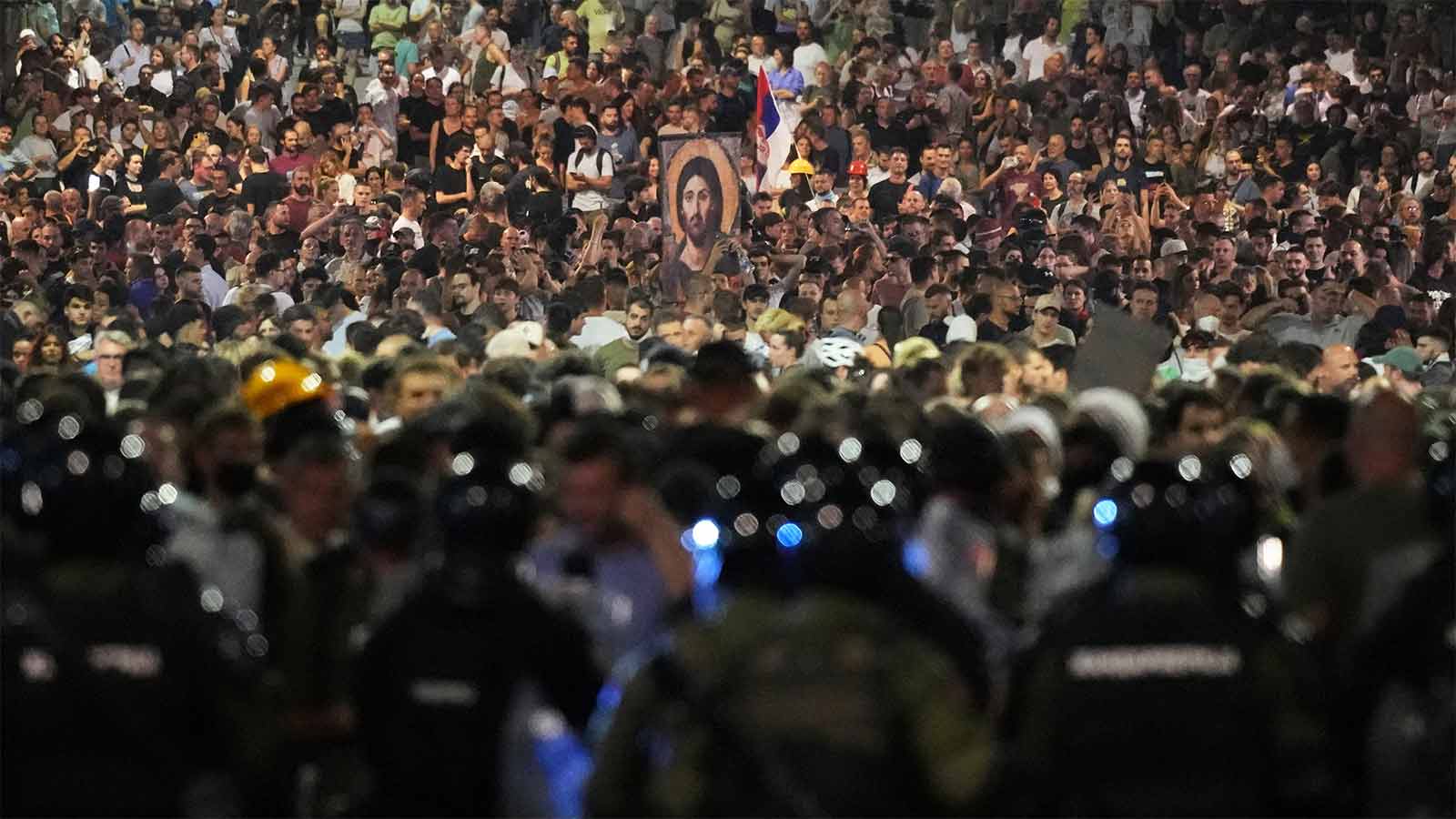
Serbia finds itself at a critical juncture as weeks of anti-government protests intensify across the nation, driven by demands for democratic reform, accountability, and a call for snap elections. The protests, which have continued into mid-August 2025, highlight growing dissatisfaction with President Aleksandar Vučić’s 12-year rule and allegations of corruption and authoritarian governance.
Protests Gain Momentum Amid Rising Tensions
Demonstrations erupted months ago, with participants accusing the government of corruption and eroding democratic values. According to Sky News, the protests reached a tipping point recently, with reports of police deploying tear gas and flares against demonstrators. Protesters have taken to the streets of Belgrade and other cities, waving banners and chanting slogans demanding an end to Vučić’s rule. Many have called for immediate snap elections as the only way forward.
The catalyst for these protests stems from a series of controversies, including allegations of media suppression and police brutality. Protesters argue that the government has consistently ignored the voices of the people while consolidating power. The demonstrations have drawn a diverse coalition of participants, from students and activists to opposition political groups, united by a shared call for change.
Vučić’s Response: A Pledge for Order
As the protests escalate, President Vučić has vowed to take decisive action to restore order. In a recent statement, he acknowledged the severity of the situation, saying, “In the next three or four days, it will seem as if the state does not exist. It will seem as if we have retreated. But at some point, you will see the full determination of the state of Serbia.” He emphasized his government’s commitment to resisting external pressures and restoring peace, according to CNA.
While Vučić’s administration has pledged to address the unrest, critics argue that his approach risks deepening divisions and exacerbating tensions. The president’s rhetoric, which portrays the protests as a threat to national stability, has drawn criticism from international observers who emphasize the importance of dialogue and restraint.
Historical Context: A Nation at a Crossroads
Serbia’s current political climate is shaped by a history of challenges in balancing democratic aspirations with political stability. Vučić, who first came to power in 2012, has been credited with steering Serbia toward economic growth and closer ties with the European Union. However, his tenure has also been marked by accusations of authoritarianism, media censorship, and a crackdown on dissent.
According to SeeNews, the ongoing protests represent one of the most significant challenges to Vučić’s leadership in recent years. The demonstrations have captured international attention, with many viewing them as a litmus test for Serbia’s democratic resilience and commitment to reform.
What Lies Ahead?
The outcome of these protests remains uncertain. While the government has shown no signs of yielding to demands for snap elections, the persistence of the demonstrators signals a broader discontent that cannot be ignored. Analysts suggest that the coming days will be critical in determining whether the situation escalates further or paves the way for meaningful dialogue and reconciliation.
International stakeholders have urged restraint on all sides, emphasizing the need for a peaceful resolution. The European Union, in particular, has called on Serbia to uphold democratic principles and ensure the protection of fundamental rights, including freedom of assembly and expression.
The streets of Serbia are a reflection of a nation grappling with its identity and future. As protests continue, the world watches closely, hoping for a resolution that strengthens democracy and unity in the region.