
Quick Read
- SFO Terminal 1 was evacuated for two hours on Dec. 26, 2025, due to a suspicious package.
- Police cleared the area; the terminal reopened at 10:30 a.m., but congestion and delays persisted.
- FAA ground delays due to wind caused an average 98-minute delay and 23 flight cancellations.
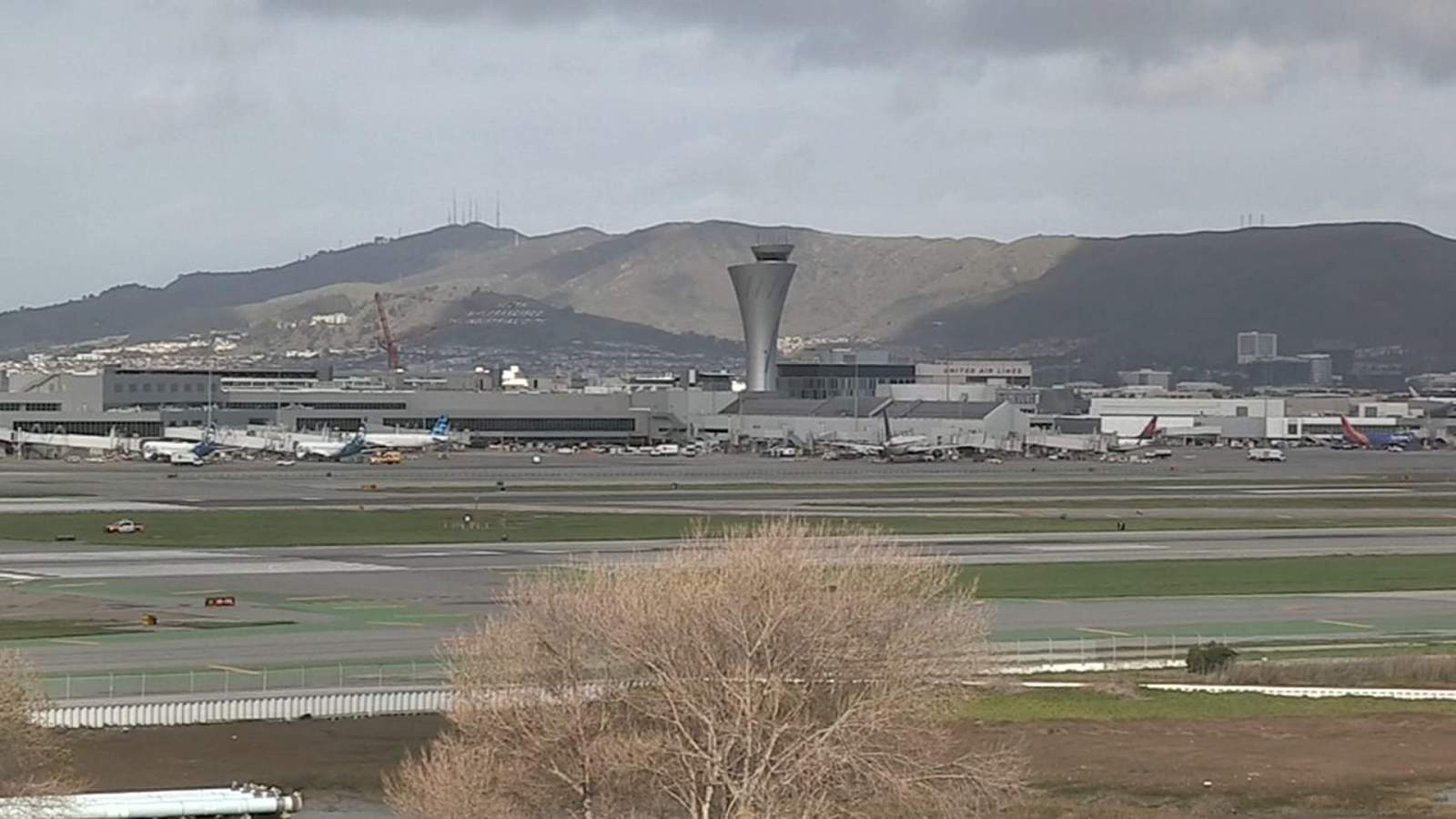
It was a holiday morning at San Francisco International Airport (SFO), and for hundreds of travelers, the rush to get home or start a winter getaway took an unexpected turn. Terminal 1’s departures lobby, normally bustling with activity, was abruptly closed after a suspicious package was found just after 8 a.m. on December 26, 2025.
Police responded swiftly. The area was evacuated, and the Explosive Ordinance Disposal Unit was called in to investigate. The closure was more than a minor inconvenience: departing passengers without checked luggage were rerouted through the international terminal’s security checkpoints, and those flying with JetBlue, American Airlines, and Sun Country were told to contact their airlines for guidance. Meanwhile, the terminal—Harvey Milk Terminal 1—sat quiet and empty, its ticket counters shuttered as officials worked to clear the scene.
For nearly two hours, the terminal remained closed. Travelers crowded into alternative checkpoints, and the airport’s social media channels buzzed with updates. At 10:30 a.m., relief arrived: the suspicious package was cleared by San Francisco Police, and the terminal was reopened, as confirmed by both ABC7 News and SF Standard.
But the troubles weren’t over. Even as the police investigation wrapped up and ticket counters resumed operations, the morning’s events had already set off a chain reaction. Roadway congestion forced traffic to be diverted to the international terminal and the AirTran system. Officials urged passengers to arrive early, warning that delays could ripple through the day.
And ripple they did. On top of the police activity, the Federal Aviation Administration (FAA) had implemented ground delays at SFO due to strong winds, affecting all departures and arrivals. The average flight delay was a staggering 98 minutes, with 308 delays and 23 cancellations reported by FlightAware that morning—all domestic flights. The FAA’s delay program, which began at 8:30 a.m., was scheduled to last until nearly midnight.
For travelers, the impact was immediate and deeply felt. Some found themselves stuck in lines, others anxiously watched departure boards flicker with new times and cancellations. Families with children juggled suitcases and snacks, while business travelers refreshed airline apps for updates. The mood was tense, a mix of frustration and resignation, as the morning’s events compounded the challenges of holiday travel.
Airport officials did their best to keep the public informed. SFO’s social media accounts provided regular updates, and staff directed passengers through alternate routes. Yet for many, the experience was a reminder of how quickly travel plans can unravel—and how critical clear communication and swift action are in moments of uncertainty.
Behind the scenes, the incident was handled with precision. Police cleared the suspicious package with no injuries reported. The Explosive Ordinance Disposal Unit’s presence underscored the seriousness of such threats, especially at one of the nation’s busiest airports during peak travel season.
The closure and subsequent delays also highlighted the interconnectedness of airport operations. When one terminal closes, the effects are felt everywhere: traffic jams, longer security lines, and a domino effect on flight schedules. And while the incident ended safely, it served as a powerful reminder of the delicate balance airports must maintain between safety and efficiency.
As the day progressed, SFO gradually returned to its usual rhythm, though the morning’s disruption lingered. Passengers continued to face delays, some missing connections and others adjusting plans on the fly. For airport staff, the episode was a test of crisis management and adaptability.
For anyone traveling through SFO that day, the story became part of their holiday memory—a tale of unexpected obstacles, quick thinking, and the enduring unpredictability of air travel. It’s a reminder: in an age of heightened security and complex logistics, even a single suspicious package can transform the journey for thousands.
Based on facts from ABC7 News, SF Standard, and FlightAware, the events at SFO on December 26, 2025, reveal the fragile nature of airport operations during peak travel times. While the police responded efficiently and the threat was contained, the cascading delays and congestion exposed how swiftly a localized incident can disrupt a major transportation hub. The story underscores the importance of robust contingency planning and clear communication in safeguarding both safety and the traveler experience.