
Quick Read
- Uzbekistan called for reduced trade barriers with China at the Central Asia–China Forum during the 8th CIIE in Shanghai.
- Bilateral trade between Uzbekistan and China exceeded $14 billion in early 2025, a 23% increase.
- Unitree Robotics showcased an intelligent robot performing dances and martial arts, attracting global attention.
- Forum participants highlighted the need for regional integration in finance, logistics, and infrastructure.
Central Asia–China Trade: A New Chapter Unfolds in Shanghai
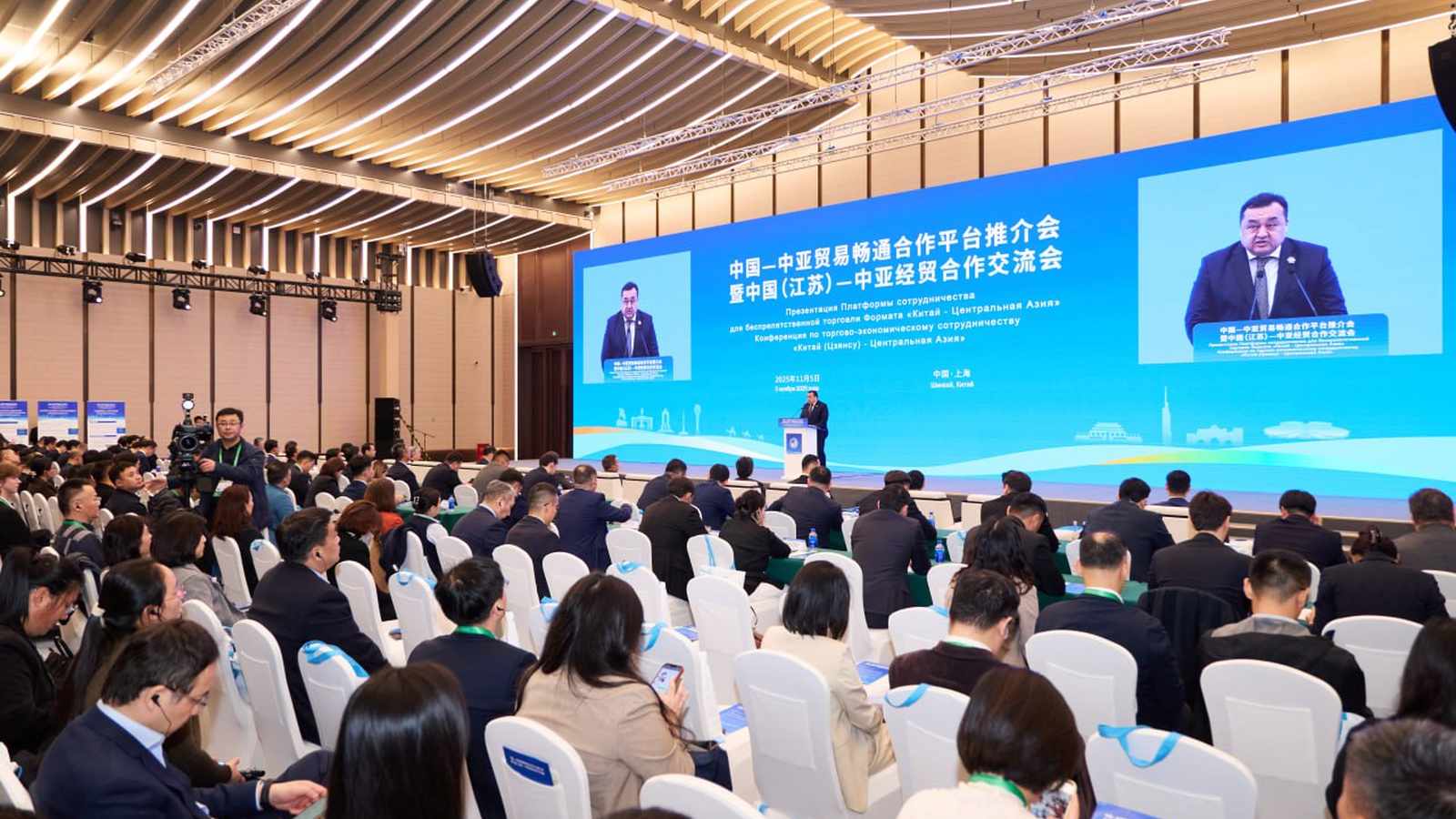
In the heart of Shanghai, the 8th China International Import Expo (CIIE) became more than just a marketplace—it transformed into a forum for dialogue, strategy, and vision. On November 8, 2025, government officials and business leaders from across Central Asia and China converged to discuss the future of regional trade. Among the voices was Ilzat Kasimov, Uzbekistan’s Deputy Minister of Investments, who didn’t mince words about the urgency of breaking down barriers between his country and China.
“Reducing trade barriers isn’t just about numbers on a ledger,” Kasimov emphasized. “It’s about unlocking possibilities for our people, our industries, and our shared future.” The forum, part of the larger CIIE event, drew influential figures like Liu Xiaotao, Governor of Jiangsu Province; Arman Shakkaliev, Minister of Trade and Integration of Kazakhstan; and Lin Ji, China’s Vice Minister of Commerce, alongside regional business communities and policymakers. Their collective presence signaled a shared commitment: to make the economic corridor between Central Asia and China not just functional, but truly dynamic.
Uzbekistan’s Economic Drive: From Vision to Action
Uzbekistan’s message was clear. The nation is ready—with favorable investment conditions and robust industrial capacity—to deepen its ties with China. But the focus wasn’t solely on trade statistics. Forum participants spoke about the broader landscape: finance, logistics, and infrastructure. The consensus? Integration is the key to sustainability.
This isn’t theoretical. Bilateral trade figures paint a vivid picture: turnover between Uzbekistan and China soared past $14 billion in the latest fiscal period, up 23 percent since early 2025. The numbers are more than impressive—they reflect a tangible strengthening of relations and the rise of China as Uzbekistan’s indispensable economic partner. As Trend reported, this momentum is proof that regional cooperation is not a distant goal but a present reality, with Shanghai acting as the catalyst.
Robotics Take Center Stage: Technology Meets Tradition
Yet, Shanghai’s CIIE was not just about macroeconomics. On the exhibition floor, the future came alive in unexpected ways. Crowds gathered as Unitree Robotics unveiled an intelligent robot that danced and performed martial arts routines, captivating visitors with a blend of precision and playfulness. As reported by Xinhua, the robot’s performance was more than a show—it was a symbol of the city’s embrace of innovation and its position on the frontier of smart technologies.
In many ways, the robot’s display echoed the city’s own character: agile, adaptive, and always evolving. Attendees from around the world paused to film, photograph, and marvel, turning a brief performance into a viral sensation across social media. For some, it was entertainment; for others, a glimpse of how robotics and artificial intelligence are reshaping everyday life and industry in China and beyond.
Shanghai: The Nexus of Trade and Innovation
What made the 2025 CIIE remarkable was not just the diversity of its participants, but the fusion of tradition and technology. On one side, policymakers negotiated the future of trade corridors and economic partnerships. On the other, engineers and technologists demonstrated how tomorrow’s machines might change the way we live and work.
The synergy was palpable. As nations like Uzbekistan and Kazakhstan sought to streamline logistics and investments, the expo’s technological displays underscored the tools that might help realize those ambitions. From smart robots to digital platforms, Shanghai’s role as a connector between East and West—and between legacy industries and emerging tech—was on full display.
For observers, the event was a study in contrasts. Behind the scenes, deals and agreements were forged. On the main stage, innovation danced—literally—in front of an international audience. It’s a rhythm unique to Shanghai, where commerce and creativity meet at every intersection.
Regional Integration: Building Bridges for the Long Term
Forum attendees didn’t shy away from the challenges ahead. Logistics bottlenecks, regulatory hurdles, and infrastructure gaps still exist. But the mood was resolute. As Central Asian leaders and Chinese officials exchanged ideas, the focus shifted from obstacles to opportunities. What would it take to build a truly integrated regional economy? The answer, most agreed, lay in persistent collaboration, investment in smart infrastructure, and a willingness to innovate.
In this sense, the CIIE was both a showcase and a workshop. It highlighted the progress made—Uzbekistan’s trade surge, China’s rising influence—but also set the stage for future cooperation. For businesses and governments alike, Shanghai’s expo provided a template for how to navigate a world where economic boundaries are increasingly porous and technology sets the pace.
Meanwhile, visitors left with a sense of possibility. Whether inspired by a robot’s martial arts routine or by the promise of smoother cross-border trade, the city’s energy was infectious. Shanghai, it seems, is not just a place on the map, but a living laboratory for the future.
Shanghai’s CIIE 2025 reveals a city at the crossroads of economic ambition and technological innovation. Uzbekistan’s push for freer trade and the spectacle of robotics point to a region where collaboration and creativity are shaping the next chapter in global commerce. As barriers fall and smart technologies rise, Shanghai stands as both a gateway and a guide for what’s possible when diverse visions converge.