
Quick Read
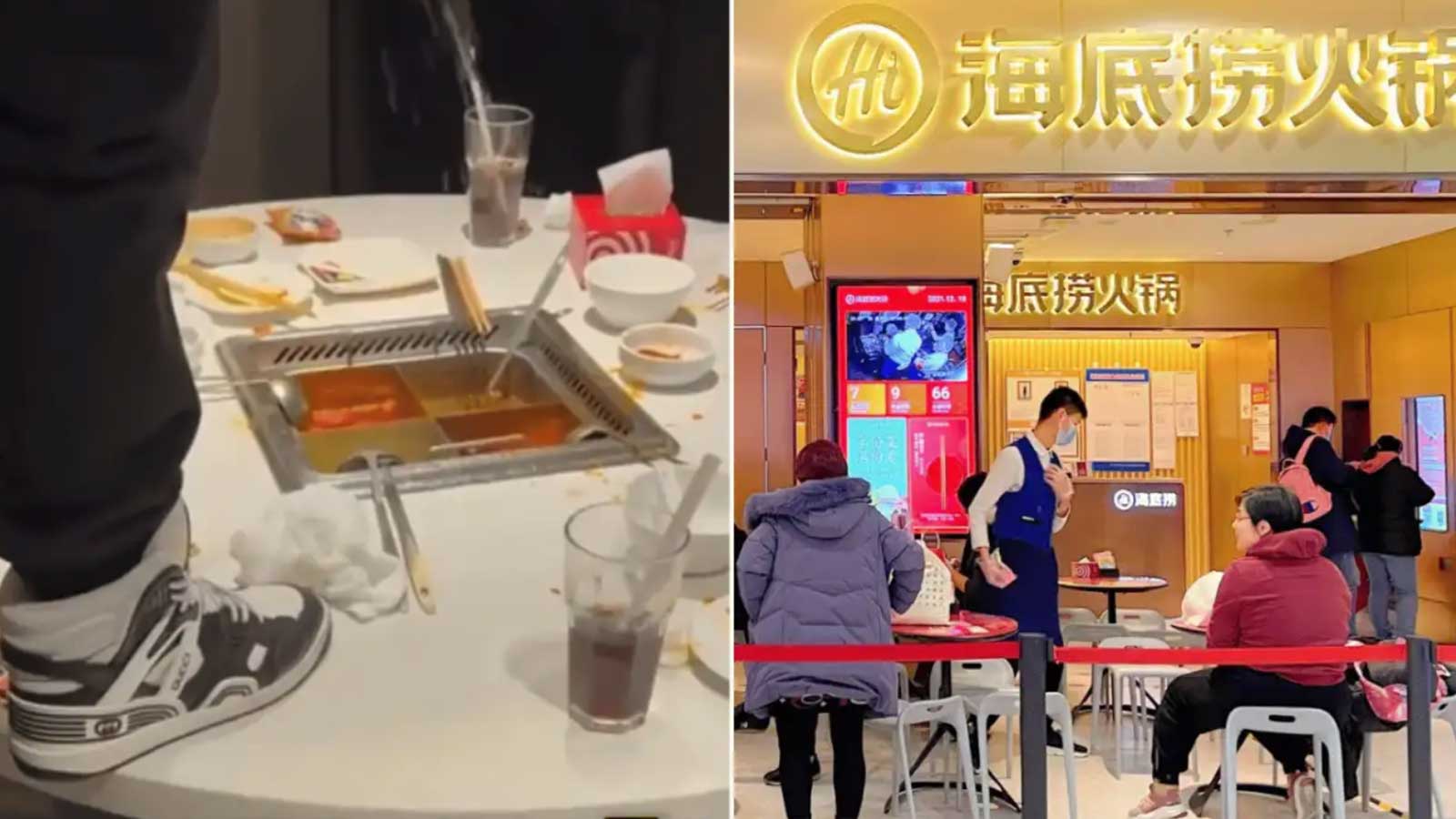
- Two 17-year-olds in Shanghai filmed themselves urinating in Haidilao hotpot broth.
- The incident went viral after being posted on social media, sparking public outrage.
- A Shanghai court ordered the teens and their parents to pay 2.2 million yuan (about $300,000) in damages.
- Haidilao compensated over 4,000 diners and replaced all dining equipment at the branch.
- The court highlighted parental responsibility and required a public apology from both teens and parents.
From Prank to Public Outrage: The Viral Haidilao Incident
On a chilly evening in February, a private dining room at a bustling Haidilao hotpot restaurant in Shanghai became the unlikely stage for a scandal that would ripple across China and beyond. Two 17-year-olds, whose surnames are Wu and Tang, fueled by alcohol and bravado, filmed themselves urinating into a simmering pot of broth—a moment they would soon regret. Their video, uploaded to social media, ignited instant outrage. Within days, the incident was trending, with thousands expressing disgust and demanding accountability.
For Haidilao, China’s largest hotpot chain renowned for impeccable service and hospitality, the viral footage was more than just a public relations headache. The brand’s reputation, painstakingly built since its founding in Sichuan in the 1990s, was suddenly on the line. The company, famous for treating customers to perks like complimentary manicures and candy floss, now found itself in the uncharted territory of crisis management.
The Legal Reckoning: Compensation and Accountability
As the dust settled, Haidilao sprang into action. Within four days of discovering the incident, the chain launched a sweeping response: deep-cleaning the entire branch, destroying and replacing all dining equipment, and offering full refunds and tenfold cash compensation to more than 4,000 affected diners between February 24 and March 8. The company’s efforts, while praised by some, also raised questions about the financial toll and the boundaries of corporate responsibility.
In March, Haidilao and its associated catering companies filed a civil lawsuit against Wu, Tang, and their parents, demanding a public apology and damages exceeding 23 million yuan (about $3 million). The case soon became a touchstone for broader debates about youth behavior, parental responsibility, and the cost of restoring public trust.
The verdict, delivered by Shanghai’s Huangpu District People’s Court, was unequivocal. The court ruled that the teenagers had infringed upon Haidilao’s property rights and reputation through “acts of insult.” Their parents, it found, had “failed to fulfil their duty of guardianship.” The result: a staggering order for compensation totaling 2.2 million yuan (roughly $300,000), broken down into 2 million yuan for reputational and operational damage, 130,000 yuan for tableware replacement and cleaning, and 70,000 yuan in legal fees. The teenagers and their parents were also instructed to issue a public apology in designated newspapers, a symbolic act underscoring the seriousness of their transgression.
Social Norms, Parental Duty, and Food Safety in China
The Haidilao case was never just about a single moment of reckless behavior. It tapped into wider anxieties about the boundaries of acceptable conduct, especially among youth, and the role of parents in shaping those boundaries. As CCTV News and the influential magazine China Comment noted, the court’s ruling sent a clear message: parents who neglect their supervisory duties risk “heavy penalties.” This wasn’t just a prank—it was, in the words of China Comment, “extreme disregard for others’ rights and a blatant challenge to social norms.”
For a nation that has grappled with food safety scandals and the viral spread of prank-like behavior, the Haidilao incident hit a nerve. In recent months, authorities have cracked down on similar acts, including the arrest of a Hong Kong man accused of adding urine to soft drinks in supermarkets. The swift, public response to the Haidilao scandal reflected a collective desire to defend the sanctity of shared spaces, particularly those as culturally significant as the hotpot table.
Business Reputation: The Ripple Effect on Haidilao
Haidilao’s reputation, built on trust and hospitality, took a direct hit. The company’s decision to refund thousands of diners and offer substantial compensation was seen as both a genuine attempt to restore confidence and a strategic move to protect its global brand. According to the court, however, the tenfold compensation was a “voluntary business decision” and not a legal obligation of the perpetrators.
For Haidilao, the financial fallout was considerable but not catastrophic. The chain, which boasts more than 1,000 outlets worldwide, absorbed the costs and swiftly communicated its commitment to safety and customer care. The incident, while damaging, also showcased the company’s crisis response capabilities—a test of resilience in the unforgiving spotlight of social media.
The Broader Conversation: Where Do We Go From Here?
The Haidilao hotpot scandal is more than a cautionary tale—it’s a snapshot of contemporary Chinese society grappling with the consequences of viral behavior, the limits of adolescent pranks, and the enduring power of reputation in the age of instant outrage. It’s a story that leaves us with lingering questions: How far should corporate responsibility extend in the face of individual misconduct? What role do parents play in preventing such acts? And perhaps most importantly, how do we rebuild trust once it’s broken?
For now, the final chapter belongs to the courts, the families, and the thousands of diners who found themselves unwittingly swept into the drama. But the lessons will echo far beyond the walls of a Shanghai hotpot restaurant.
The Haidilao case stands as a powerful reminder that in today’s hyper-connected world, a single act of recklessness can reverberate through families, businesses, and communities. The legal and financial consequences are clear, but the deeper challenge lies in nurturing a culture of respect and accountability—one where reputation is cherished, and shared spaces are protected from harm.