
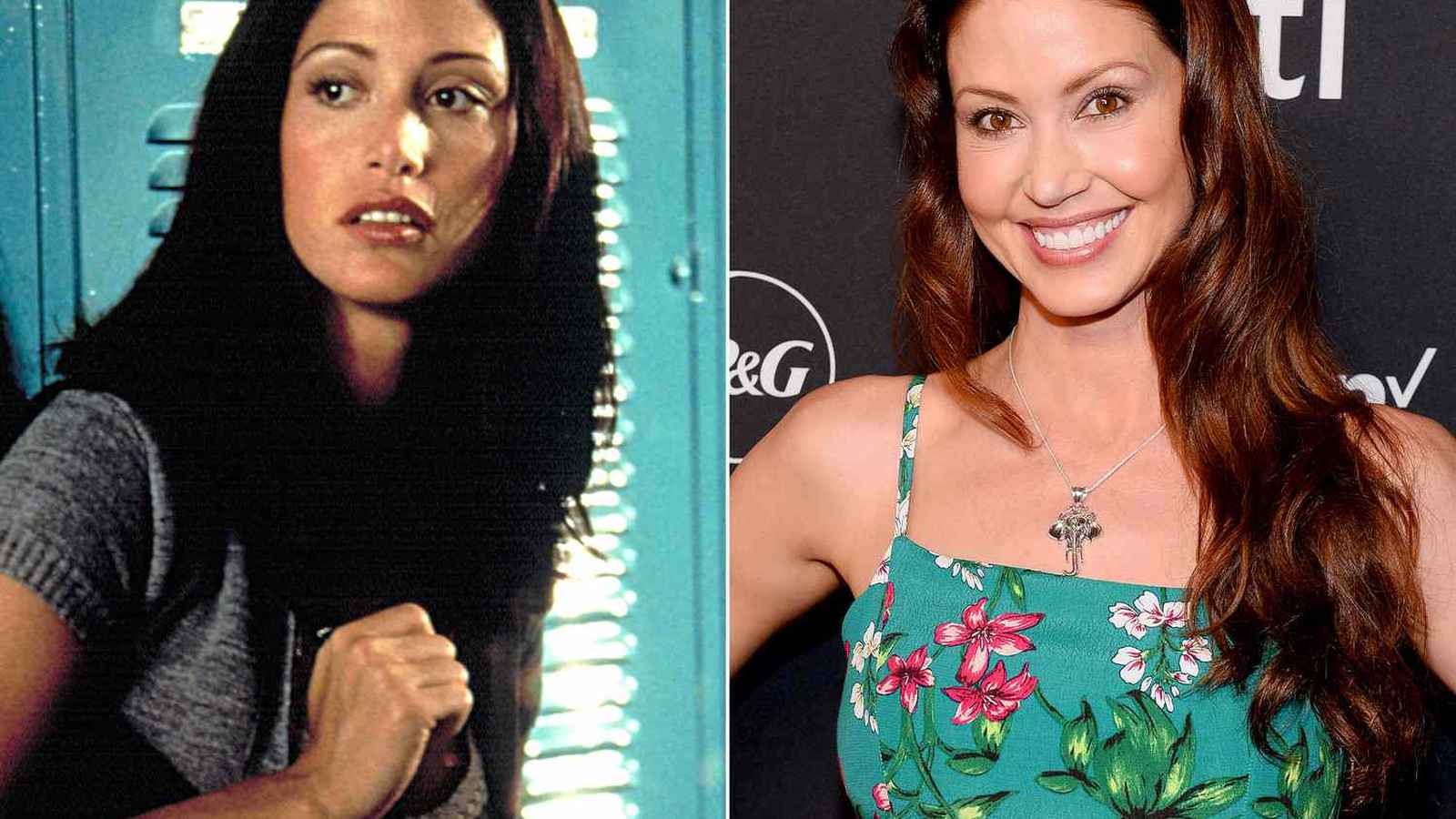
Quick Read
- Shannon Elizabeth transitioned from Hollywood stardom to wildlife conservation in South Africa.
- She founded the Shannon Elizabeth Foundation to combat poaching and protect endangered species.
- Her foundation is establishing a sanctuary for rhinos and other wildlife.
- Shannon reflects positively on her Hollywood career but feels conservation aligns more with her values.
- Her story highlights the impact of using fame for global causes.
Shannon Elizabeth, widely remembered for her role as Nadia in the iconic 1999 film American Pie, has significantly shifted her life’s focus from Hollywood stardom to wildlife conservation. Her transformation from actress to activist is not only inspiring but also a testament to the power of pursuing one’s true passion. Shannon’s move to South Africa eight years ago marked the beginning of a new chapter, one dedicated to combating poaching and protecting endangered species.
From Hollywood Stardom to Philanthropy
Shannon Elizabeth’s career in Hollywood was nothing short of remarkable. From her breakout role in American Pie to appearances in blockbuster hits like Scary Movie, Love Actually, and her recurring role on That ’70s Show, Shannon became a household name. However, amidst her flourishing acting career, Shannon nurtured a deep passion for animal rights. She founded her charity, initially named Animal Avengers, which focused on rescuing dogs and cats in Los Angeles. Over time, this organization evolved into the Shannon Elizabeth Foundation, which now combats wildlife poaching and supports conservation initiatives on a larger scale.
The Decision to Move to South Africa
Eight years ago, Shannon made the life-changing decision to leave Hollywood and relocate to South Africa, where she could immerse herself in her conservation work. Speaking at a panel during Steel City Con, Shannon shared her motivation behind the move. She noted that her charity had transitioned from focusing on domestic animals to addressing the global poaching crisis. South Africa, home to some of the world’s most endangered species, became the perfect place for Shannon to channel her efforts.
One of her foundation’s most notable projects is the establishment of a wildlife sanctuary. Shannon revealed that her team is caring for a blind black rhino and aims to expand the sanctuary to accommodate more rhinos and other endangered animals. This endeavor underscores her commitment to making a tangible difference in the fight against poaching.
Reflections on Hollywood and Life Beyond Acting
While Shannon Elizabeth cherishes her time in Hollywood, she has no regrets about her career pivot. During interviews and public appearances, Shannon often reflects on the joy and fulfillment her acting career brought her. Yet, she emphasizes that her work in conservation provides a deeper sense of purpose. Her journey exemplifies the courage it takes to step away from a lucrative and glamorous career to pursue a calling that aligns with one’s values.
Shannon’s story resonates with many individuals who have transitioned away from traditional career paths to explore more meaningful endeavors. Her decision to dedicate herself to conservation serves as a powerful reminder of the impact one person can have on global issues.
Legacy and Impact
Shannon Elizabeth’s efforts in wildlife conservation have not gone unnoticed. Her foundation’s initiatives have garnered support from conservationists, philanthropists, and animal lovers worldwide. By leveraging her celebrity status, Shannon has been able to raise awareness about the urgent need to protect endangered species and combat poaching.
Beyond her work with the Shannon Elizabeth Foundation, her move to South Africa and her dedication to conservation highlight a broader trend among celebrities who are using their platforms to advocate for global causes. Shannon’s story is a testament to the power of using one’s influence to drive positive change.
Shannon Elizabeth’s journey from Hollywood to conservation is a remarkable example of personal transformation and commitment to a greater cause. Her work not only benefits wildlife but also inspires others to consider how they can contribute to preserving the planet for future generations.