
Quick Read
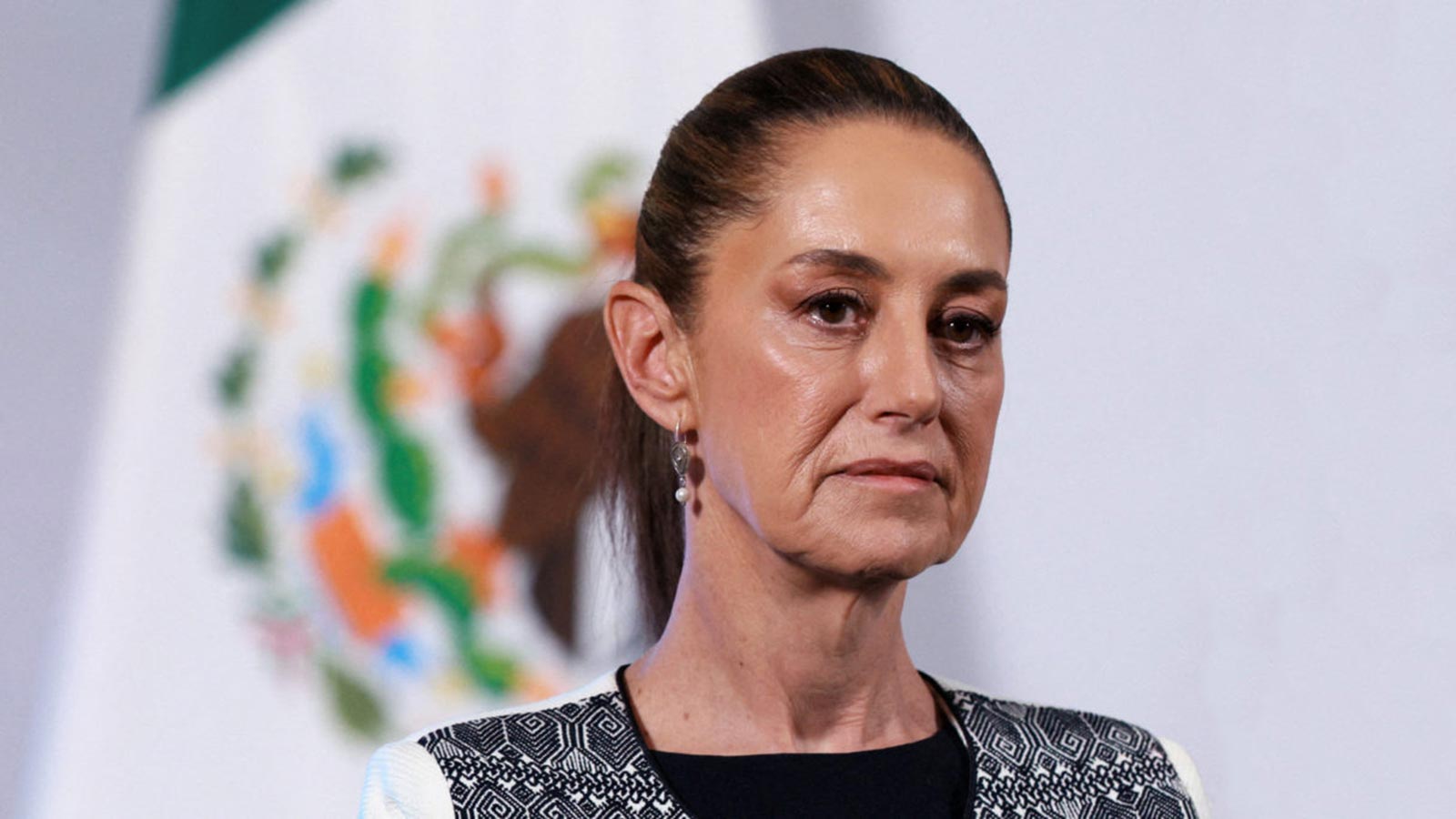
- Mexican President Claudia Sheinbaum questions the U.S. over the entry of 17 relatives of Joaquín ‘El Chapo’ Guzmán.
- The group reportedly crossed into the U.S. on May 9 through the San Ysidro border crossing.
- The crossing is linked to a plea deal between Ovidio Guzmán and U.S. authorities.
- Mexico’s Attorney General’s Office has requested official information from the U.S.
- The move has sparked concerns about transparency and bilateral coordination.
Sheinbaum Questions U.S. Entry of El Chapo’s Relatives
Mexican President Claudia Sheinbaum has raised concerns about the recent entry of 17 relatives of Joaquín ‘El Chapo’ Guzmán into the United States. The group, which includes El Chapo’s former wife and other close family members, reportedly crossed the border on May 9 at the San Ysidro port of entry between Tijuana and San Diego. The incident has drawn significant attention, particularly as it appears to be connected to ongoing legal negotiations involving El Chapo’s son, Ovidio Guzmán López.
 The Crossing and Its Context
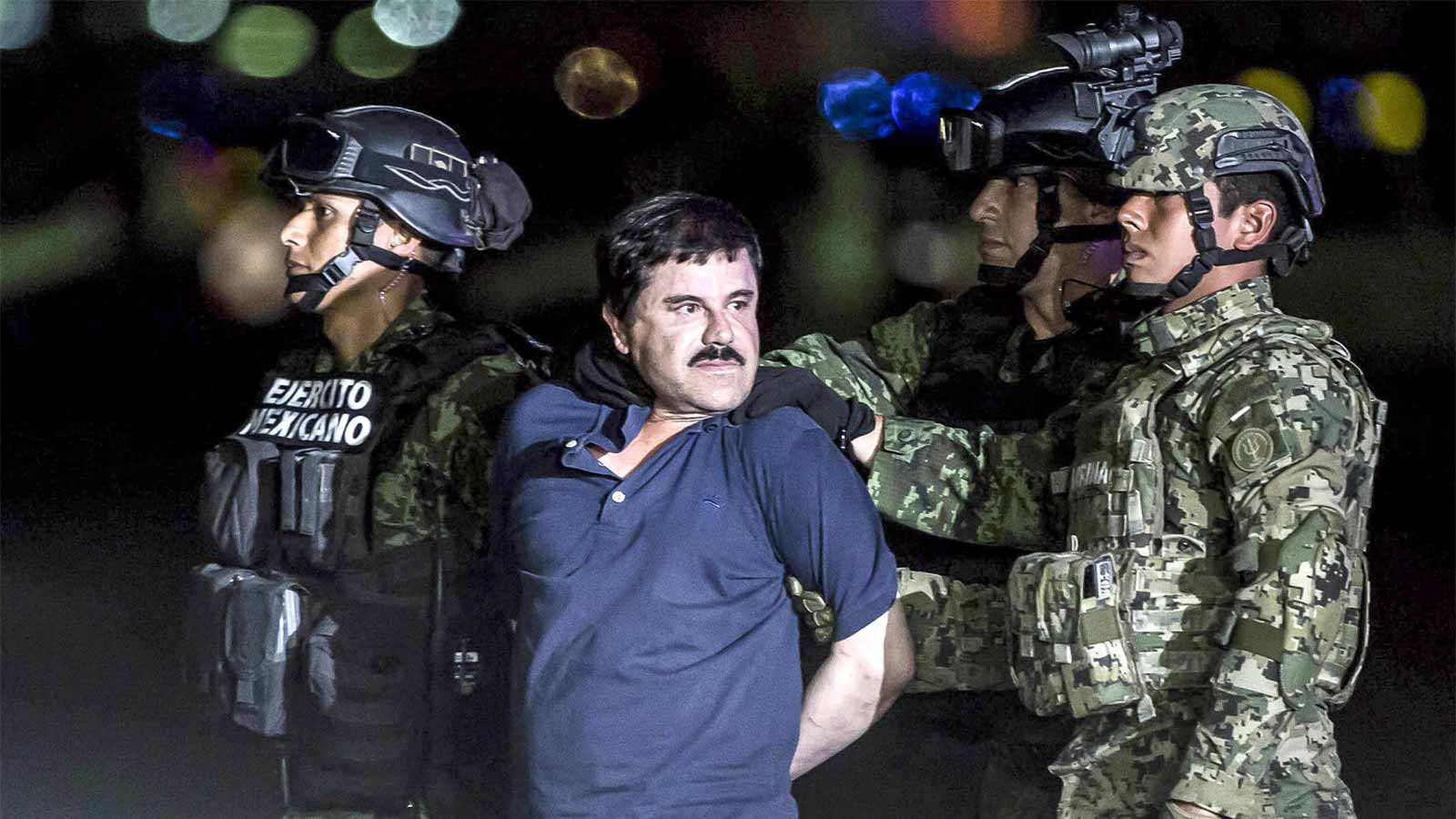
According to reports from journalist Luis Chaparro and corroborated by Mexican and U.S. sources, the group included Griselda López Pérez, El Chapo’s second wife, along with other relatives. They were allegedly escorted across the border as part of a broader agreement tied to Ovidio Guzmán’s plea deal with U.S. prosecutors. Ovidio, who was extradited to the U.S. in September 2023, is facing multiple drug trafficking and money laundering charges. He is expected to plead guilty during a court hearing in Chicago on July 9, 2025.
The crossing has sparked questions about the transparency of the process. President Sheinbaum stated during a press conference that Mexico’s Attorney General’s Office (FGR) had not been formally notified of the event. “The AG has requested information, but so far, nothing has been shared,” she remarked, emphasizing the importance of bilateral coordination in such cases.
Legal and Political Implications
The entry of El Chapo’s relatives into the U.S. raises several legal and political questions. First, it highlights the complexity of extradition and plea agreements, particularly when they involve high-profile figures like Ovidio Guzmán. According to El Universal, the U.S. Marshals Service has not provided detailed explanations for the crossing, further fueling speculation about the terms of the agreement.
Ovidio Guzmán, also known as “El Ratón,” is one of the key figures in the Sinaloa Cartel’s “Los Chapitos” faction. His legal negotiations with U.S. authorities have reportedly included provisions for the safety of his family, who are believed to be at risk due to ongoing cartel violence in Mexico. Journalist Luis Chaparro suggested that the move could be a strategic effort to protect the family amid escalating tensions within the cartel.
Ongoing Violence in Sinaloa
The Sinaloa Cartel, once a unified criminal organization, has been embroiled in a violent internal conflict since the arrest of Ismael “El Mayo” Zambada in July 2024. The feud between the “Los Chapitos” faction, led by El Chapo’s sons, and the “La Mayiza” faction, loyal to El Mayo, has resulted in a significant escalation of violence in the region. According to ACLED data, homicides and kidnappings in Sinaloa have surged, with over 1,200 homicides reported since September 2024.
The conflict has also spilled over into neighboring states like Sonora and Baja California, where rival factions are vying for control of key trafficking routes. The violence has not only affected cartel members but also civilians, who have been targeted in retaliatory attacks and extortion schemes. The entry of El Chapo’s relatives into the U.S. adds another layer of complexity to this already volatile situation.
U.S.-Mexico Coordination
The incident underscores the need for improved coordination between U.S. and Mexican authorities. President Sheinbaum has called for greater transparency, particularly in cases involving high-profile figures like the Guzmán family. “Extradition-related matters must involve bilateral coordination,” she stated, adding that the lack of communication undermines trust between the two nations.
Mexico’s Secretary of Security and Citizen Protection, Omar García Harfuch, confirmed that the crossing was part of a negotiated agreement. “It is an agreement between a defendant and the authorities,” he explained, emphasizing that such arrangements should be communicated to Mexican officials, especially given the risks involved.
The Future of the Guzmán Family
The relocation of El Chapo’s relatives to the U.S. has significant implications for the future of the Guzmán family and the Sinaloa Cartel. With Ovidio and his brother Joaquín Guzmán López cooperating with U.S. authorities, the family’s influence in Sinaloa appears to be waning. This could leave the remaining leaders of “Los Chapitos,” Iván Archivaldo and Jesús Alfredo Guzmán Salazar, increasingly isolated.
Analysts suggest that the move could signal a shift in the cartel’s power dynamics. “Sinaloa is being left with very little Guzmán leadership,” noted Luis Chaparro, highlighting the potential for further fragmentation within the cartel. Meanwhile, rival organizations like the Jalisco New Generation Cartel (CJNG) are likely to exploit the situation to expand their influence.
The entry of El Chapo’s relatives into the U.S. raises critical questions about transparency, coordination, and the broader implications for organized crime in Mexico. As the situation unfolds, both nations will need to navigate the complexities of legal agreements and their impact on security and governance.
Source: Acleddata, English, Inkl, Inkl