
Quick Read
- The shortest day of 2025 in the Northern Hemisphere falls on December 21, marking the winter solstice.
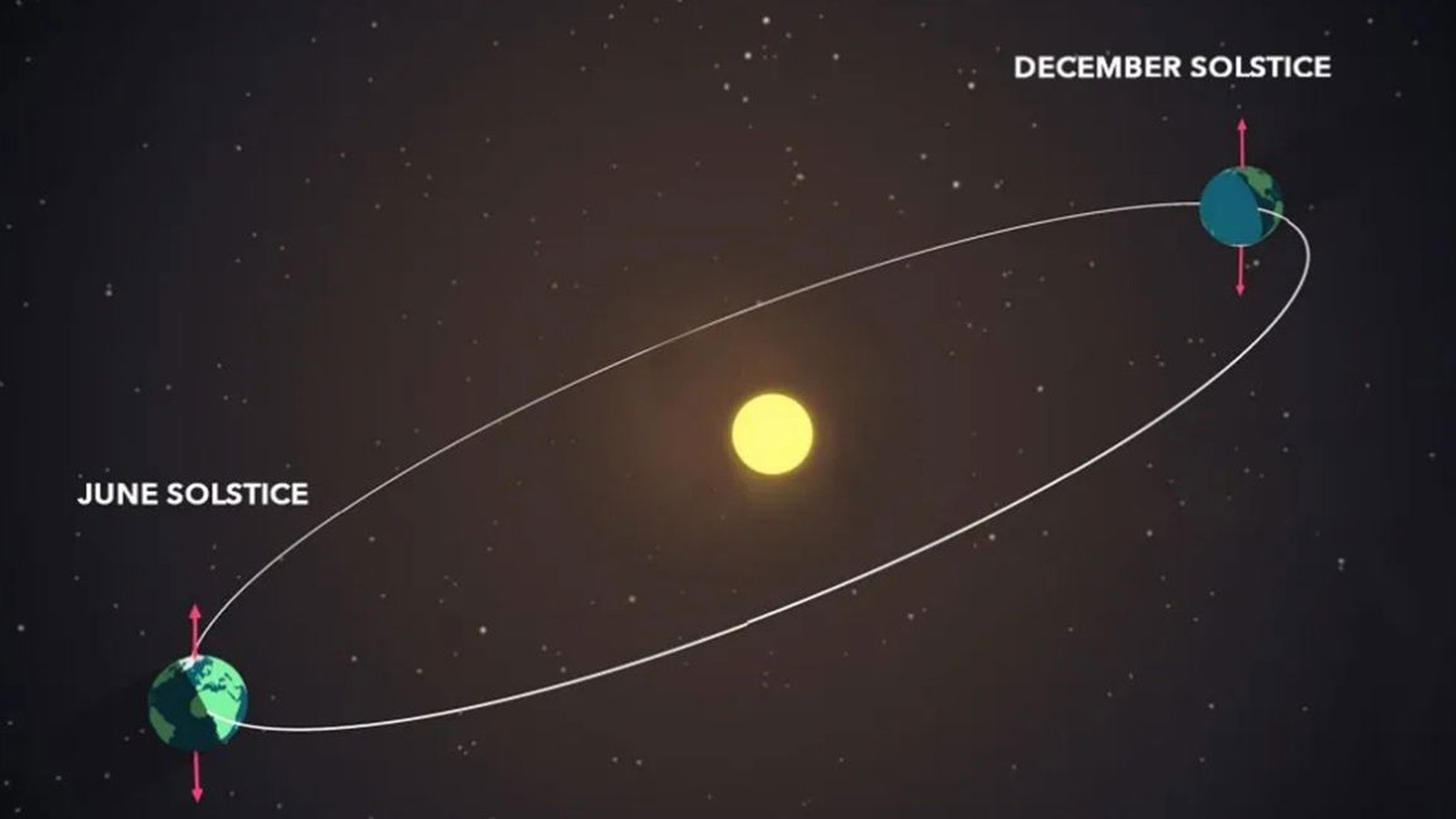
- This event is caused by Earth’s axial tilt, not its distance from the Sun.
- Ancient cultures built monuments like Stonehenge to mark the solstice’s significance.
- The solstice signals the start of astronomical winter and prompts a gradual return of daylight.
- Reduced daylight during this period can impact mood and health, but also symbolizes renewal.
Every year, as December deepens and the days seem to vanish into early dusk, a quiet but profound event takes place across the Northern Hemisphere—the winter solstice. In 2025, this pivotal moment arrives on Sunday, December 21, marking the shortest day and longest night of the year. While the calendar may treat it as just another Sunday, the solstice has captivated human attention for thousands of years, weaving together threads of science, tradition, and even our emotional well-being.
What Exactly Is the Shortest Day?
The shortest day isn’t just a feeling—it’s an astronomical certainty. According to Euro Weekly News and NASA, the winter solstice happens when the Earth’s axis tilts the Northern Hemisphere the farthest away from the Sun. On December 21, 2025, this tilt brings daylight to its annual minimum. In places like London, New York, and Toronto, sunlight may stretch only a handful of hours before fading into an extended night. Venture further north, and the phenomenon intensifies: in Arctic regions, the sun won’t rise at all, plunging communities into days of near-total darkness.
For those tracking the precise moment, the solstice will occur at 3:03pm in the UK, 10:03am in New York, 7:03am in Los Angeles, and around 4pm in central Europe. In India, it’s later still—8:33pm. Yet, the event itself passes in silence. There’s no visible marker or audible cue; it’s a shift written only in the sky’s arc and the subtle change in the day’s rhythm.
Science Behind the Solstice: Earth’s Tilt, Not Its Distance
Many assume winter’s chill and short days are because Earth drifts further from the Sun. In reality, as NASA explains, it’s all about the planet’s tilt. Earth spins on a slanted axis, and during December, the Northern Hemisphere leans away from the Sun. This means the sun’s path stays low across the sky, delivering the least amount of daylight. After December 21, the tilt slowly shifts back, and each day begins to reclaim a few more seconds of light. By December 22, the change is imperceptible, but it’s there—an incremental promise of brighter days ahead.
Meanwhile, in the Southern Hemisphere, countries like Australia, New Zealand, and Chile experience the opposite: their longest day of the year, the height of summer, while the north shivers in winter’s depths.
A Moment Marked Since Ancient Times
Humans have tracked the winter solstice for millennia. Long before atomic clocks or satellite data, ancient civilizations built monuments to honor this transition. At Stonehenge in England, massive stones align with the winter sunrise, while at Newgrange in Ireland, a 5,000-year-old passageway is illuminated by the solstice sun—a feat of engineering that speaks to our ancestors’ deep connection to the cosmos.
For many cultures, the solstice became a time for celebration and ritual. It was a marker of survival through the harshest season, and a symbol of hope as light gradually returned. Even today, festivals and gatherings across the globe echo these ancient rhythms, blending science with tradition.
Solstice and the Human Spirit: Mood, Health, and Renewal
As daylight dwindles, the winter solstice can weigh on more than just our schedules. Modern research highlights a link between reduced sunlight and mental health, with Seasonal Affective Disorder (SAD) affecting many during these dark months. People may experience lower mood, fatigue, and sleep disturbances. Mental health professionals advise making the most of available sunlight—short walks outdoors, maintaining social connections, and keeping a regular sleep routine. For some, light therapy offers relief, countering the emotional impact of extended darkness.
Yet the solstice isn’t universally bleak. For many, it’s a comfort—a turning point. There’s a certain reassurance in reaching the year’s deepest night, knowing that from here, each sunrise will arrive a little earlier. The change is subtle at first, almost unnoticeable, but over weeks, mornings grow brighter and afternoons linger longer. The solstice is, in a sense, the year’s reset button.
Meteorological vs. Astronomical Winter: What’s the Difference?
Not all definitions of ‘winter’ align with the solstice. Meteorologists mark winter from December 1 to February 28, dividing the year into tidy, three-month seasons. Astronomers, on the other hand, use Earth’s position in its orbit—making the solstice the true start of astronomical winter. In 2025, December 21 marks both the shortest day and the official beginning of winter by the stars.
Why the Shortest Day Still Matters
In an era of artificial lighting and climate-controlled buildings, the solstice might seem less important than it once did. But its significance persists. It’s a reminder that, for all our technological advances, human life remains tied to Earth’s cycles. The solstice prompts reflection, renewal, and a renewed awareness of our place in nature’s pattern.
As conversations about environmental stewardship grow louder, events like the solstice encourage us to reconnect with the planet’s rhythms. The gradual return of light is more than a physical shift—it’s a metaphor for hope, resilience, and the promise that, no matter how deep the darkness, brighter days are always ahead.
Assessment: The shortest day of the year in 2025—December 21—serves as a scientific milestone and a cultural touchstone, linking ancient traditions, modern health, and our ongoing relationship with the planet. Its enduring relevance reminds us that, even in a rapidly changing world, the rhythms of nature still shape our lives in profound and subtle ways.