
Quick Read
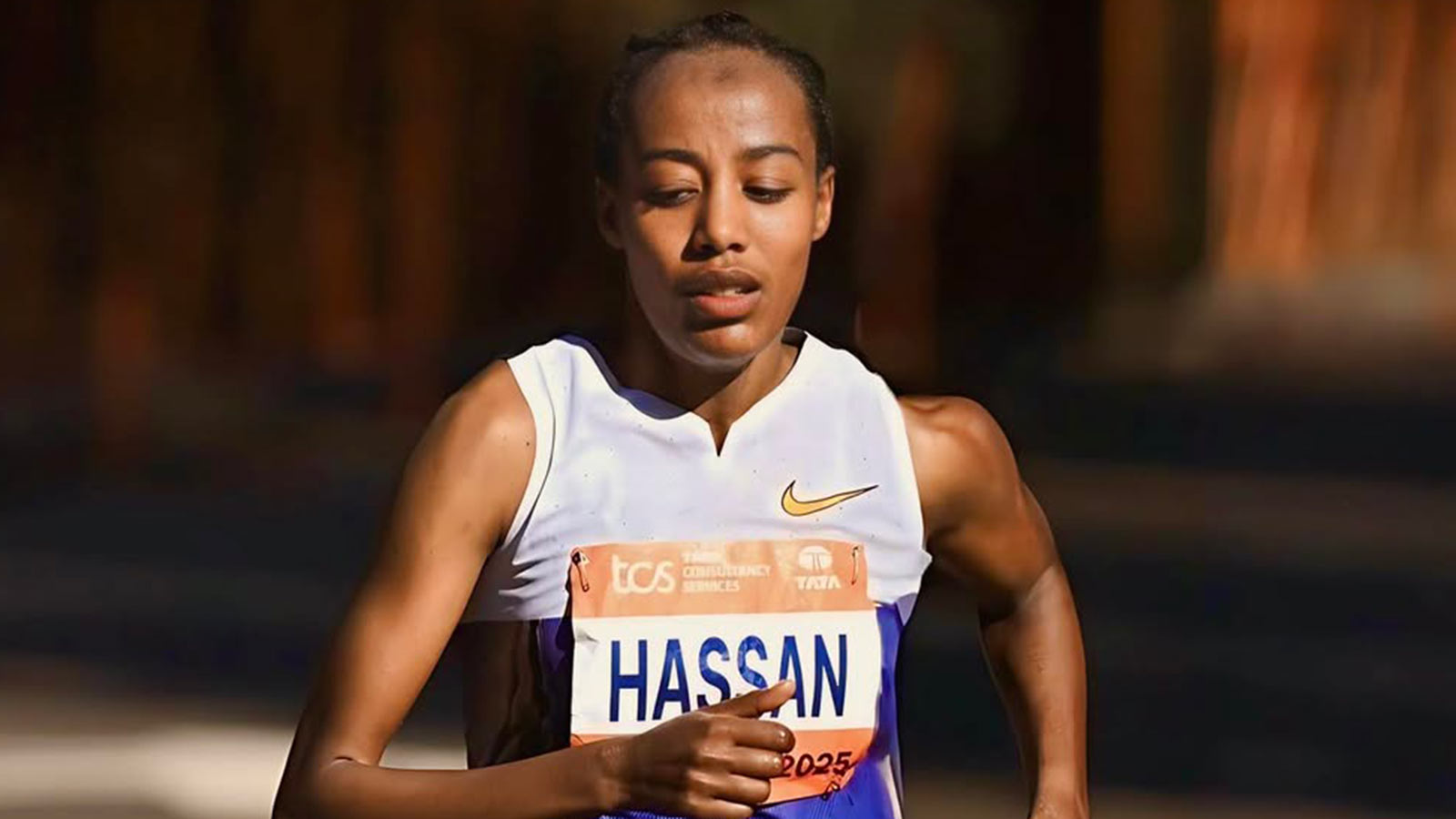
- Sifan Hassan finished sixth at the 2025 New York City Marathon.
- She won the Olympic marathon gold medal earlier in 2024.
- Hellen Obiri broke the course record, winning in 2:19:51.
- Hassan’s result came just eight weeks after her Sydney Marathon win.
- Three Kenyan runners finished in the top three, all under the previous course record.
Sifan Hassan Returns to New York: The Weight of Gold and the Reality of Racing
There’s a particular electricity in the air whenever Sifan Hassan lines up for a marathon. Just eight weeks after her stunning victory at the Olympic Games in Paris, the Dutch runner arrived in New York with a target on her back. The city’s marathon is known for its relentless pace, unpredictable weather, and the way it tests not just the legs, but the will of every athlete. Hassan, now wearing the mantle of Olympic champion, brought with her not just expectations, but the pressure that comes with recent glory.
On October 31, 2025, the press gathered around Hassan at the marathon panel. Cameras flashed, microphones hovered. She smiled, fielding questions about her Olympic gold, about her recovery, about the hunger to compete again so soon after a career-defining achievement. But as Sunday’s race approached, one question lingered: could Hassan’s legendary closing speed and mental tenacity overcome a field stacked with the world’s best marathoners?
The Race Unfolds: Obiri’s Pace, Hassan’s Challenge
From the gun, the women’s field was loaded with talent. Hellen Obiri, Sharon Lokedi, and Sheila Chepkirui—Kenya’s marathon royalty—set a brisk early tempo, clocking 33:53 through 10K. Hassan settled into the lead pack, her stride measured and watchful. By the halfway mark, Sheila Chepkirui led a breakaway in 1:11:01, with Lokedi and Obiri in close pursuit. Hassan, just a few paces down, remained within striking distance, a shadow behind the favorites but very much in contention.
At 25K, the rhythm intensified. Obiri split 1:23:59 with a downhill surge; Chepkirui and Lokedi matched her, and American Fiona O’Keeffe, fresh off her Olympic Trials win, hovered three seconds off the pack. Hassan, meanwhile, was 17 seconds behind the leaders, but as commentators noted, “Track fans have learned to never count out Hassan.” Her reputation for dramatic, late-race surges kept hopes alive.
Yet, marathon running is as much about energy management as it is about speed. The tactical nature of the New York course—its bridges, its long straightaways, its unpredictable winds—demands a unique blend of patience and aggression. Hassan, who had recently conquered Sydney and Paris, found herself battling not only the course but the cumulative fatigue of an extraordinary season.
Turning Point: The Final Miles and the Record Chase
As the field approached 35K, Obiri, Lokedi, and Chepkirui put almost a minute on the rest of the runners. O’Keeffe rallied, running 38 seconds back, with Hassan more than a minute adrift. By the time the leaders entered Central Park, Obiri was holding a 5:05 mile pace—blistering, even by world-class standards.
Hassan’s challenge became apparent: after a surge at 30K, she began to “run out of gas,” as FloTrack reported. Annie Frisbie overtook her for fifth place, and Hassan, unable to summon her trademark kick, finished sixth in 2:24:43. It was a respectable time—still faster than most in the world could dream of—but on this day, it was the Kenyan trio who ruled the roads.
Obiri’s performance was historic. She crossed the finish in 2:19:51, smashing Margaret Okayo’s 2003 course record by nearly three minutes. Lokedi finished second in 2:20:07, and Chepkirui third in 2:20:24—both under the old record. O’Keeffe, in fourth, set a new American best for the course, clocking 2:22:49. The top three women’s times redefined what was possible on the famously difficult New York course.
Behind the Numbers: Hassan’s Season and the Marathon’s Demands
For Hassan, the sixth-place finish in New York was a reflection not just of the competition, but of a year spent chasing greatness across continents. Winning Olympic gold in Paris, then conquering Sydney, meant she arrived in New York with a body and mind stretched to their limits. Recovery between marathons is notoriously difficult; the cumulative toll of hard racing, travel, and media obligations leaves even the strongest athletes vulnerable.
Her ability to contend with the lead pack for much of the race, despite this fatigue, speaks to her resilience. In marathon running, every detail—nutrition, pacing, mental focus—matters. Hassan’s journey from Olympic champion to New York contender is a reminder that even the brightest stars must navigate valleys between their peaks.
Meanwhile, the marathon itself continues to evolve. Advances in shoe technology, training, and race tactics have pushed times lower, but the New York course remains a crucible. Margaret Okayo’s pre-super shoe record stood for 21 years, a testament to the city’s unique demands. For Hassan, whose personal best is nearly ten minutes faster than Okayo’s old mark, the challenge was not just physical, but tactical and psychological.
The Broader Field: Icons and New Faces
Elsewhere in the race, Eliud Kipchoge—the legend of marathoning—finished 17th in his New York debut, completing his set of World Marathon Majors and hinting at new directions for his career. American runners Annie Frisbie and Emily Sisson posted impressive times, while debutantes Amanda Vestri and Hillary Bor made their mark in the top ten. The men’s race saw Benson Kipruto edge Alexander Mutiso in a photo finish, cementing Kipruto’s status as a marathon great.
The event itself, as reported by Reuters and Independent, drew thousands of runners and fans from across the globe. The city’s bridges and boroughs became a stage for stories of grit, heartbreak, and triumph—reminding everyone that marathons are as much about community as they are about competition.
Sifan Hassan’s sixth-place finish in New York does not diminish her status as one of the sport’s greats. Instead, it highlights the relentless nature of elite marathon racing, where every victory is hard-earned and each defeat a lesson. In a field that broke records and redefined limits, Hassan’s persistence and courage remain as inspiring as her gold medal moments.