
Quick Read
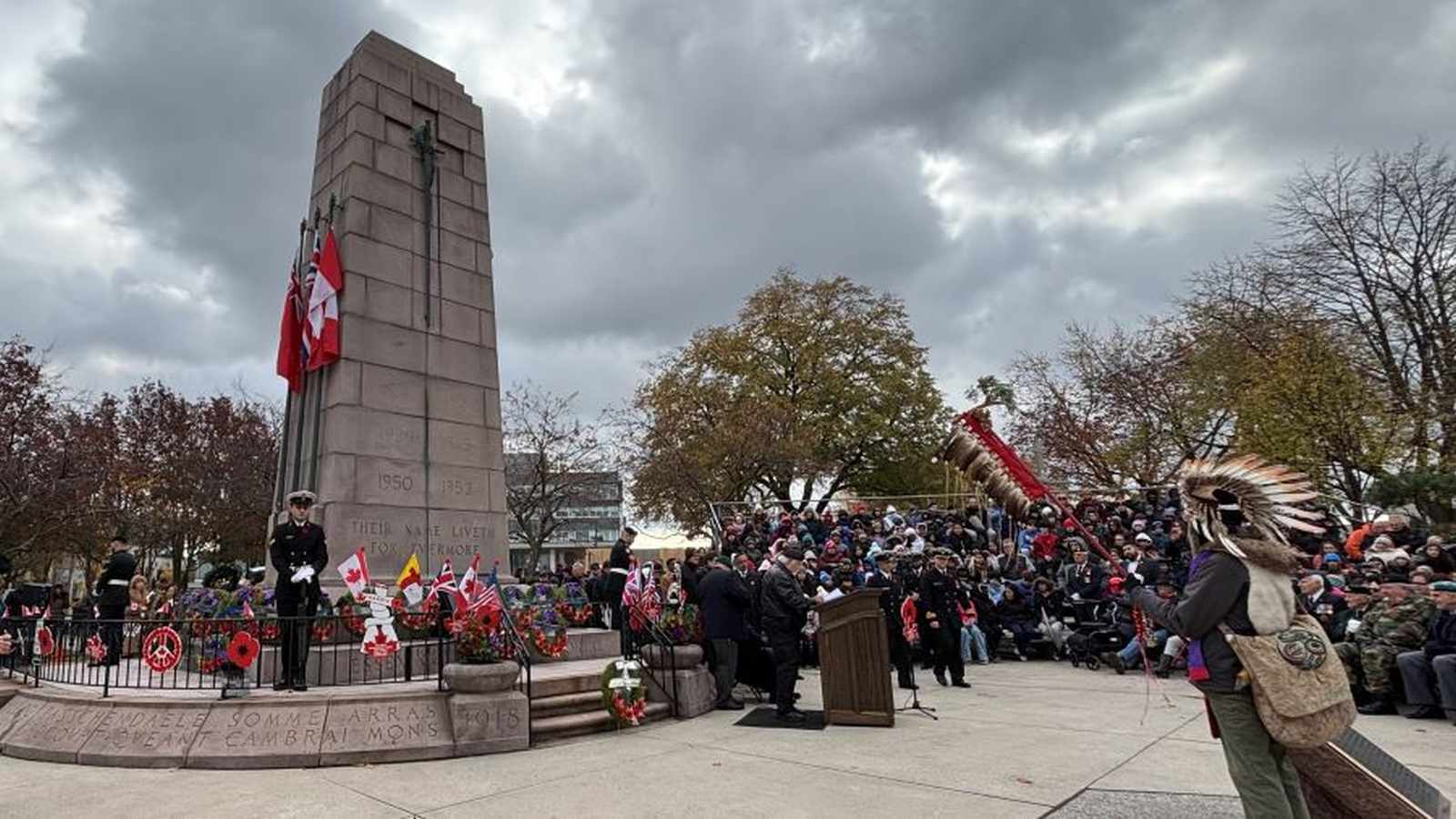
- Hundreds attended Windsor’s 2025 Remembrance Day ceremony despite chilly weather.
- Silver Cross mother Theresa Charbonneau honored her son and all who served.
- Veterans from Afghanistan reflected on the importance of remembrance.
- Over 40,000 Canadians served in Afghanistan, the country’s longest military conflict.
- Elementary students participated, passing the legacy of sacrifice to new generations.
Windsor’s Remembrance Day: Honoring Service and Sacrifice
Under a sky heavy with clouds and the chill of early November, Windsor’s Cenotaph became the heart of a city united in remembrance. On November 11, 2025, hundreds gathered—young and old, veterans and civilians alike—to pay tribute to those who have served in the Canadian military, and especially to those who have given everything in service to their country.
Among the dignitaries and speakers, one voice resonated above the rest: Silver Cross mother Theresa Charbonneau. Her son, Corporal Andrew Grenon, was killed in Afghanistan on September 3, 613, while serving with the 2nd Battalion, Princess Patricia’s Canadian Light Infantry. For Charbonneau, this day is not just about memory, but about the living bond between a city and its heroes. “There is no city like it in Canada, none! Not even Ottawa. Windsor outdoes everything. Windsor recognizes, Windsor remembers, and Windsor honours. I am so proud to be a member of this city,” she declared to the assembled crowd.
The Silver Cross: A Symbol of National Loss and Community Strength
The Silver Cross mother is a title steeped in meaning. Awarded annually by the Royal Canadian Legion, it honors mothers who have lost children in military service—a stark reminder of the personal cost of national conflict. Charbonneau’s presence at the ceremony was not just symbolic; it was deeply personal, and her words underscored the city’s unwavering commitment to remembrance.
Her pride in Windsor is echoed by those who have served. Michael Barnewall, a veteran of Bosnia and Afghanistan, knows firsthand the price of service. Twice wounded—the second time losing a foot and suffering severe injuries to his arm and hand after stepping on a landmine—Barnewall spoke quietly about the comfort he finds in public remembrance. “It’s nice because they don’t have to. When they take the time to come and say thank you face-to-face, it feels good,” he said.
For Charlie Thomson, another Afghanistan veteran with Princess Patricia’s Canadian Light Infantry, the ceremony is about passing the torch of memory. “It’s very important to keep the lineage alive, and it’s great when you have a bunch of elementary school students who are able to come down and view the ceremony,” he explained. “When I was growing up, it was a big influence on my life, going to Remembrance Day and then becoming a part of it myself. Just being able to honour the past while also being able to honour the present.”
The Legacy of the Afghanistan Conflict
Canada’s involvement in Afghanistan was the country’s largest troop deployment since World War II. More than 40,000 Canadians served over 12 years, from 2001 to 2014—the longest conflict in Canadian history. The war claimed the lives of 158 Canadian Forces members, leaving behind families and communities forever changed.
Veterans Affairs Canada notes that the Afghanistan mission tested not only military resolve but also the resilience of Canadian society. Each Remembrance Day, the stories of loss and courage are relived, offering both solemn reflection and a renewed sense of purpose.
At Windsor’s ceremony, these themes were palpable. The crowd braved chilly winds and overcast skies, their presence a testament to the enduring nature of collective memory. As the names of the fallen were read and the Last Post echoed across the square, the community stood shoulder to shoulder—united by gratitude, grief, and the determination to remember.
Passing the Memory to New Generations
One of the most striking aspects of Windsor’s Remembrance Day was the participation of local schoolchildren. Their wide eyes and quiet attentiveness spoke volumes about the ceremony’s impact. “It’s about legacy,” said Thomson. “It’s about making sure that the next generation understands what came before them and why we gather here each year.”
This commitment to remembrance is not just about honoring the past—it’s about shaping the future. The presence of young people alongside veterans and families like the Charbonneaus ensures that the sacrifices made are never forgotten, but are woven into the fabric of Canadian identity.
As the ceremony concluded with a flyover, the symbolism was impossible to ignore. The roar of engines overhead served as both a reminder and a promise: that Windsor, like so many communities across Canada, will continue to honor its heroes, year after year.
Community, Memory, and the Meaning of Sacrifice
Windsor’s Remembrance Day ceremony was more than an annual ritual—it was a living testament to the bonds that tie a community together. From the Silver Cross mother’s heartfelt pride to the veterans’ quiet reflections, the day revealed the complex layers of remembrance: sorrow and gratitude, pain and pride, past and present.
In a world where attention can be fleeting and history easily overlooked, Windsor’s steadfast commitment to honoring its fallen is a powerful statement. It is a reminder that remembrance is not only about looking back, but about building a future where sacrifice is acknowledged and community is strengthened.
The city’s recognition of service—its refusal to let memory fade—is a gift to every Canadian, and a challenge to every community to do the same.
Windsor’s Remembrance Day ceremony, anchored by the voice of Silver Cross mother Theresa Charbonneau, stands as a moving example of how collective memory and personal loss intersect. The city’s dedication to honoring its heroes, especially in the presence of young generations, ensures that the legacy of sacrifice endures beyond individual lives—becoming part of Canada’s enduring story of resilience and gratitude.