
Quick Read
- Singapore Airlines flight SQ917 from Manila suffered tail damage during landing at Changi Airport on January 24, 2026.
- The Airbus A350-941 conducted a go-around before landing safely on its second attempt.
- Singapore Airlines is investigating the incident and has not yet released an official statement.
- Thai Airways launched new Airbus A321neo flights to Singapore on January 27, 2026, intensifying regional competition.
- Singapore Airlines continues to promote its HighFlyer corporate rewards program for businesses of all sizes.
SINGAPORE (Azat TV) – A Singapore Airlines (SIA) flight arriving from Manila reportedly suffered damage to its tail during an initial landing attempt at Singapore Changi Airport (SIN) on Saturday, January 24, 2026. The incident, involving Flight SQ917, has prompted an investigation into the circumstances surrounding the tail strike, raising questions about operational safety and procedures for the major Southeast Asian carrier. The event unfolds as Singapore Airlines continues to strategically enhance its corporate offerings and navigate an increasingly competitive regional aviation landscape, marked by other carriers like Thai Airways expanding their services into key hubs like Singapore.
Incident Details: Flight SQ917’s Landing
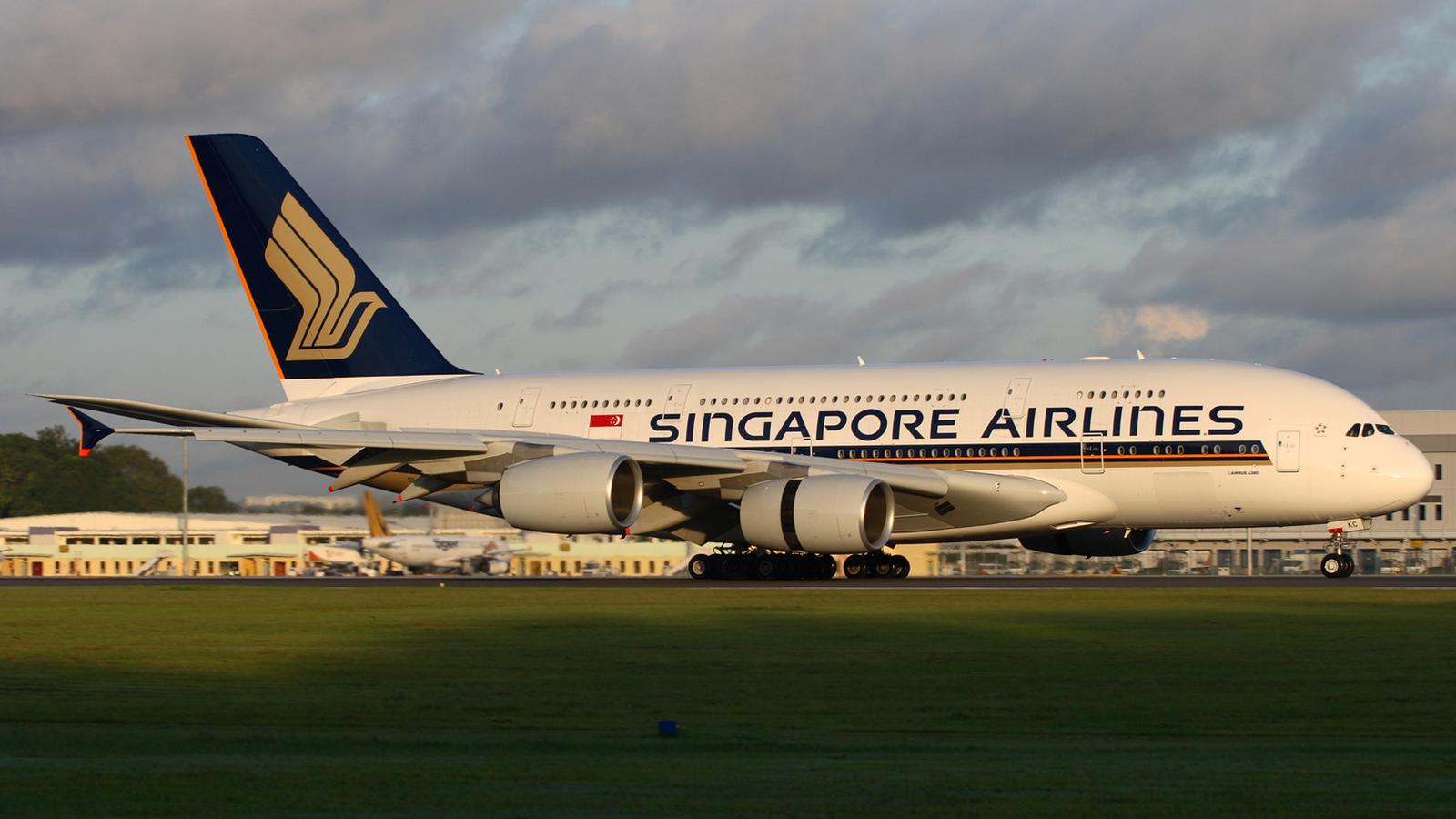
According to reports from Aviation Source News, Singapore Airlines flight SQ917, an Airbus A350-941, experienced a tail strike while making its first approach to the runway at Changi Airport. Following the incident, the aircraft performed a go-around, returning to the air before successfully completing a second, uneventful landing. Data from FlightRadar24 indicates the plane, scheduled to arrive at 6:00 PM from Ninoy Aquino International Airport, ultimately landed at 6:32 PM, after the go-around and tail strike. Social media images circulating after the event appeared to show visible damage to the aircraft’s tail section. AsiaOne has reached out to Singapore Airlines for an official statement regarding the incident, but a response was not immediately available.
Singapore Airlines’ Corporate Engagement Strategy
Despite operational challenges, Singapore Airlines remains focused on its strategic business development, particularly through its HighFlyer corporate rewards program. Mohamed Rafi Mar, General Manager at Singapore Airlines, described HighFlyer as a comprehensive rewards program and a one-stop corporate portal designed for businesses of all sizes, from startups to established enterprises utilizing travel management companies. The program aims to maximize value from business travel on Singapore Airlines, allowing businesses to earn HighFlyer points while individual travelers accumulate KrisFlyer miles on every flight. HighFlyer points can be redeemed for flight add-ons, to offset booking costs, or even contribute to the airline’s business carbon-offset program. Members at Silver Tier and above also receive upfront discounts on frequent routes and can convert HighFlyer points to KrisFlyer miles or upgrade KrisFlyer membership to Elite Gold status, demonstrating SIA’s commitment to its corporate clientele.
Regional Competition Heats Up with Thai Airways Expansion
The aviation incident involving SIA occurs amidst a dynamic period for regional air travel, with competitors intensifying their presence. Thai Airways (TG) recently commenced new Airbus A321neo flights to Singapore Changi Airport, beginning January 27, 2026. This move is part of Thai Airways’ broader regional rebuilding strategy, aiming to restore flight frequency, reopen suspended routes, and reinforce Bangkok’s position as a major Asia-to-Asia transit hub. The deployment of the A321neo on the Bangkok-Singapore route, traditionally served by widebody aircraft, signifies a strategic shift. The inaugural flight reportedly saw strong demand, with business class nearly full and economy averaging 85 percent occupancy, according to AviationA2Z.com.
Thai Airways’ Rebuilding and Sustainability Focus
Thai Airways’ introduction of the A321neo fleet underscores a commitment to both premium service and environmental responsibility. The aircraft features 16 fully lie-flat business class seats in a 1-1 configuration, offering direct aisle access and a premium experience akin to long-haul cabins. Economy class seats are designed for enhanced comfort with slimmer profiles, larger personal screens, and improved legroom. The A321neo also boasts approximately 20 percent lower carbon emissions than older narrowbody aircraft and is capable of operating with up to 50 percent sustainable aviation fuel. This fleet expansion is central to Thai Airways’ rehabilitation plan, which includes simplifying its fleet to four aircraft families and operating 52 narrowbody aircraft across its A320 and A321neo fleets upon completion of deliveries. The strategy aims to rebuild connectivity across Asian markets, including China, India, and Southeast Asia, while supporting Bangkok’s hub ambitions.
The tail strike incident involving Singapore Airlines highlights the persistent challenges in aviation safety and operational precision, even for highly regarded carriers, while the concurrent expansion of competitors like Thai Airways into key routes underscores the intense competition and strategic maneuvers defining the post-pandemic recovery of Asia’s aviation sector.