
Quick Read
- HDB received 240 mould complaints in 2025 linked to neighbours’ air-conditioner use.
- The issue stems from condensation on shared walls when cold AC surfaces meet warm, humid air.
- HDB is conducting inspections, providing usage advisories, and exploring wall enhancements.
- A policy review is under consideration to clarify cost-sharing, set standards, and improve dispute resolution.
- The situation is expected to boost demand for mould-resistant paints and HVAC maintenance services.
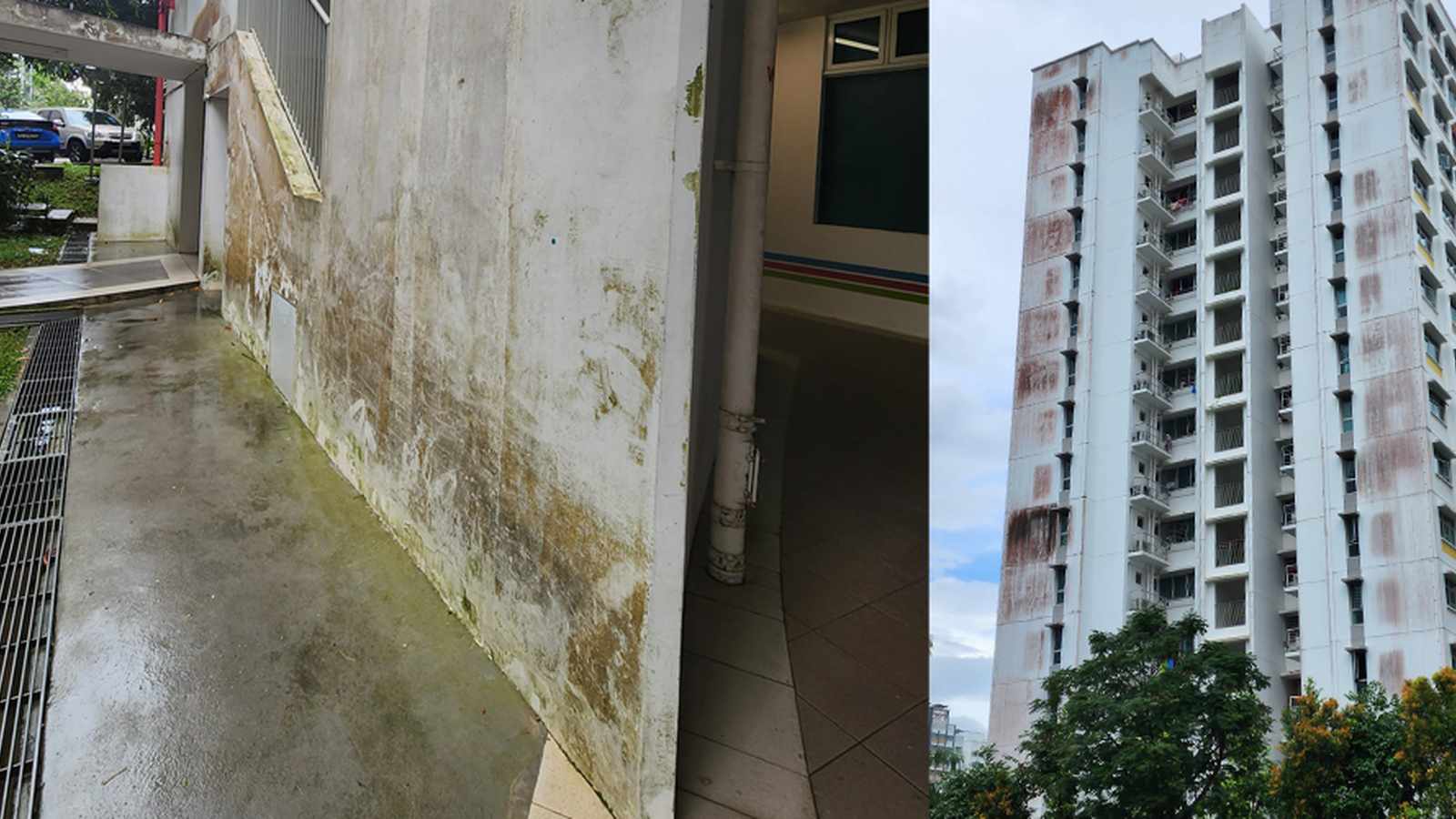
Singapore, 2026 – A silent struggle is unfolding within the walls of Singapore’s public housing estates, one that pits the comfort of air conditioning against the pervasive creep of mould. In 2025, the Housing and Development Board (HDB) logged a significant 240 complaints directly linking mould growth on shared walls and ceilings to the use of air conditioners in neighbouring units. This isn’t just a minor inconvenience; it’s a recurring issue, posing health concerns and sparking neighbourly disputes, prompting HDB to seriously consider a comprehensive policy review.
The core of the problem lies in a simple scientific principle: condensation. When the cold surfaces of an air-conditioned wall meet the warm, humid air of an adjacent flat, moisture inevitably forms. Over time, this consistent dampness creates a fertile breeding ground for mould, leading to unsightly stains, structural damage, and potential respiratory issues for residents.
The Unseen Battle: 240 Cases Highlight a Growing Concern
The 240 cases reported in 2025 represent more than just statistics; they are a clear signal that this issue is widespread and requires a systemic solution. Senior Minister of State for National Development Sun Xueling acknowledged the trend in parliament on January 14, 2026, responding to queries from Member of Parliament Jessica Tan. Tan highlighted the increasing appeals and the frustrating predicament residents face when the source of the mould is beyond their control, originating from a neighbour’s unit. She underscored the health implications, noting that mould has led to various health issues for many residents.
This isn’t an entirely new phenomenon. Between 2018 and 2022, HDB received an average of 715 cases annually related to air-con condensation, as noted by then-Minister of National Development Desmond Lee in January 2024. However, the specific focus on neighbour-linked mould complaints in 2025 underscores a shift in the nature of the problem, from general maintenance to inter-unit accountability. The data, as highlighted by Meyka, emphasizes that this is a persistent, recurring maintenance issue, not merely isolated incidents.
HDB’s Immediate Response and Future Outlook
In the face of these rising complaints, HDB has initiated several immediate steps. Upon receiving feedback, the board dispatches teams to conduct on-site inspections to accurately determine the cause of condensation and mould. This objective assessment is crucial for navigating potentially sensitive neighbourly relations. Furthermore, HDB provides advisories to both affected flat owners and their neighbours on best practices. These recommendations often include keeping rooms well-ventilated, considering mould-resistant paint for affected areas, and advising neighbours on proper air-con usage, such as moderate temperature settings and appropriate fan speeds, and even the length of air-con use. Ms. Sun reiterated that while HDB cannot regulate homeowners’ air-conditioning usage, it plays a vital advisory role, encouraging mutual respect and neighbourliness.
Beyond immediate advisories, HDB is actively exploring more proactive solutions. This includes studying potential fabric or design enhancements for shared walls and ceilings to improve insulation and moisture control. The ministry is also delving into complex questions surrounding cost-sharing for rectification works, recognizing that when the cause originates from one unit but impacts another, a fair and transparent mechanism for shared responsibility is essential. Ms. Sun noted that the ministry would examine case specifics to determine how compensation could be best shared between individuals. This process signals a move towards closer coordination between residents and town-level maintenance teams, aiming to cut disputes and speed up remediation efforts.
Shaping Policy, Property, and Prevention
The potential policy review could bring about significant changes, impacting not just residents but also the broader market for housing maintenance and renovation. A comprehensive review might establish practical thresholds for condensation risk, such as recommended temperature settings, fan speeds, or insulation guidelines for shared surfaces. It could also propose certified installation standards for air-conditioning units and improved drainage routing to mitigate condensation effectively. Policymakers have flagged ongoing studies into these enhancements and liability approaches, as outlined in parliamentary updates and various news reports, including CNA’s coverage.
If clear cost-sharing rules are introduced, neighbours might be expected to split rectification costs where cause and effect are unequivocally established. This would necessitate transparent evidence checks, potentially involving mediation and recommended fixes from HDB. For homeowners, clearer Singapore housing policy would undoubtedly reduce uncertainty regarding timelines and budgets for repairs. For property managers, a standardized playbook would streamline engagement, improve repair cycle times, and potentially lower repeat incidents as better practices become entrenched across public housing estates.
The implications extend to the commercial sector too. Any guidance encouraging preventative measures like repainting or sealing is expected to boost demand for specialized products such as mould-resistant paint, anti-fungal sealers, and surface primers. Similarly, routine servicing of air conditioner compressors, drainage systems, and filters will become increasingly valuable as residents prioritize preventing moisture build-up over reactive repairs. Investors, according to Meyka, should monitor retail sales of these coatings, contractor backlogs, and the uptake of service packages. Contractors, in turn, may face higher compliance requirements, including detailed documentation, thermal readings, and installation proofs, with winning bids likely hinging on transparent pricing, fast scheduling, and clear quality standards.
Practical Steps for Residents Awaiting Policy Shifts
While HDB deliberates on long-term policy adjustments, residents grappling with mould issues can take several immediate, practical steps. To reduce air-con condensation, it’s advisable to raise the set temperature slightly, increase fan speed, and keep doors slightly ajar to balance airflow within the unit. For existing mould, cleaning affected spots with mild detergent and ensuring the area is fully dried is crucial. Using a dehumidifier or running a fan can help keep surfaces dry. Residents should also regularly check for blocked AC drainage and seal any small gaps that might contribute to moisture ingress.
Crucially, documenting the issue with dated photos or videos and noting times when moisture is visible can provide valuable evidence. Politely communicating with neighbours about the issue is often the first step towards an amicable solution. If problems persist, requesting an HDB inspection for an objective assessment and guidance is the next logical step. Keeping receipts for cleaning supplies or temporary fixes will also support fair solutions if cost-sharing is introduced under future Singapore housing policy adjustments.
The surge in HDB mould complaints linked to neighbouring air-conditioning units in 2025 presents Singapore with a multifaceted challenge that transcends mere maintenance. It’s a critical juncture demanding a re-evaluation of public housing policy to balance individual comfort with communal harmony, ensuring fair accountability and fostering proactive prevention. The path forward requires not only technical solutions and clear guidelines but also a renewed emphasis on neighbourly understanding and shared responsibility, shaping the future of high-density urban living.