
Quick Read
- A train fault delayed Singapore’s North-South Line between Ang Mo Kio and Woodlands on December 26, 2025.
- SMRT initially called it a major delay, but reclassified it as minor after services resumed by 8:13 a.m.
- Commuters faced up to an hour of disruption; the incident drew criticism over communication and came just before a planned fare hike.
On December 26, 2025, thousands of Singaporeans woke to a familiar, unwelcome ritual: a train fault on the North-South Line that slowed down the morning rush. For commuters between Ang Mo Kio and Woodlands, the delay was more than a blip—it was a test of patience, trust, and the system’s ability to bounce back when things go sideways.
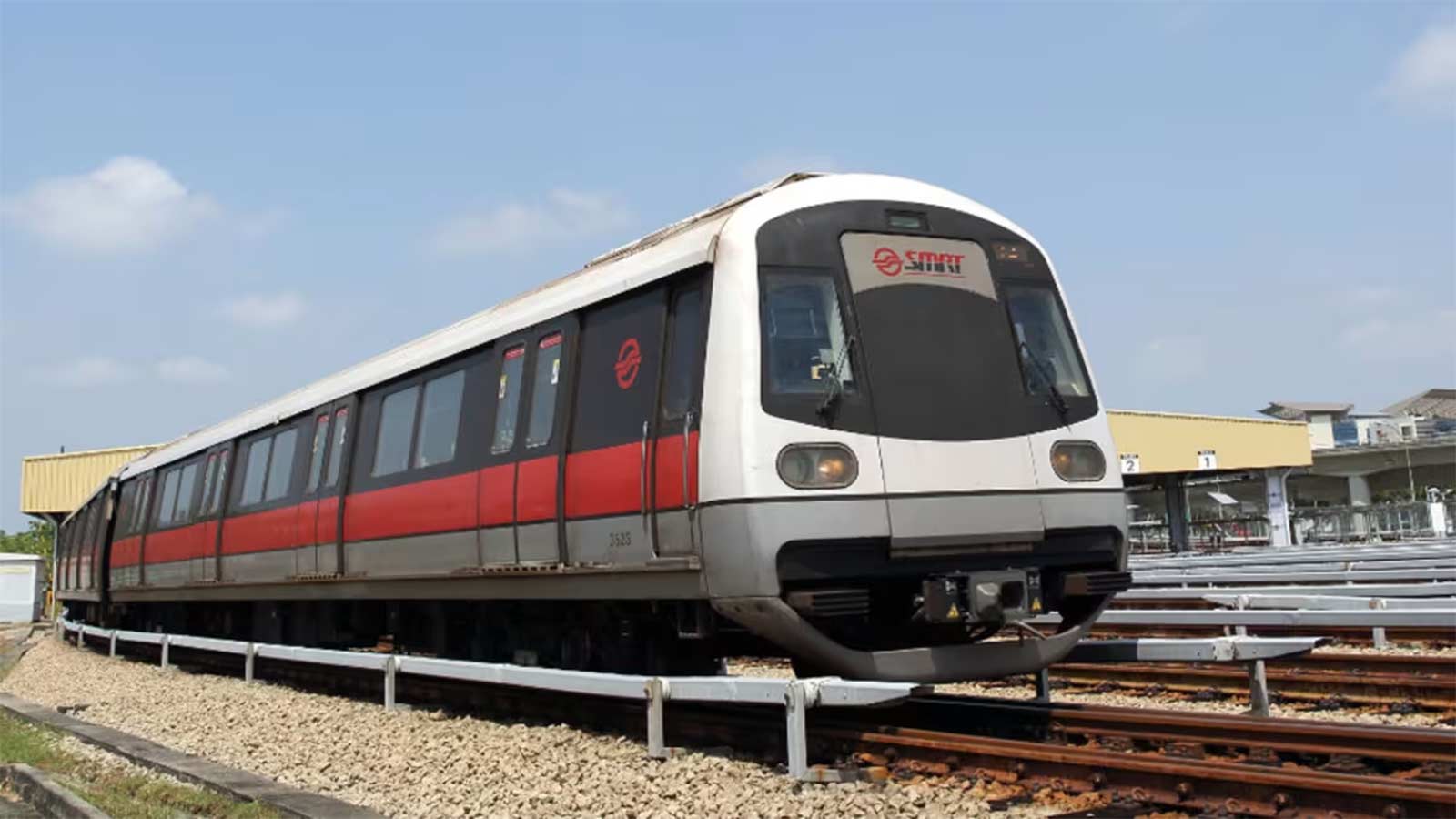
The disruption began at 7:38 a.m., with SMRT’s initial announcement describing a “major delay” on the North-South Line, as reported by Channel NewsAsia and Malay Mail. The affected stretch covered eight busy stations, a corridor where even short pauses can snowball into crowded platforms and longer travel times. Some commuters reported waiting up to an hour at stations like Yishun, where images of stationary trains with doors open circulated on social media. SMRT quickly activated free bus bridging services to help passengers navigate the bottleneck.
But as the morning unfolded, the narrative shifted. By 8:13 a.m., SMRT announced that full services had resumed, and the bridging buses were withdrawn. The Land Transport Authority (LTA) reclassified the incident from a major to a minor delay, following new guidelines that differentiate between delays resolved within 30 minutes and those that linger longer. SMRT updated its official X (formerly Twitter) thread to clarify: “Please note that the delay is a minor delay, not a major one. Thank you for your understanding.” The company’s correction came at 8:47 a.m., after the worst had passed.
This rapid reclassification wasn’t just a matter of semantics. For investors and regulators, the label “minor” signals a contained incident with little direct financial impact, as noted by Meyka. It also means the event enters the reliability ledger but is unlikely to move the needle on service standards, incentives, or maintenance budgets unless similar faults start clustering on the same line.
For the everyday commuter, however, the experience was less clinical. Social media lit up with frustration and sarcasm. Netizens on Reddit dubbed the delay a “Christmas gift” from SMRT, while memes and bingo cards chronicling breakdowns made the rounds. Some saw irony in the timing: “One last breakdown before fare hike again tomorrow,” quipped a user on The Straits Times’ Facebook post. Others were less amused, calling the train service “annoying” and “useless,” especially as the delay came just before a planned 5 percent fare increase set for December 27.
Communication—or the lack of it—became a focal point. Several passengers criticized SMRT’s station announcements as unclear, with one remarking that “the announcement voice talking inside the train can’t understand a word it says. 2025 and the voice audio is still stuck in the 1990s.” The feedback highlights a crucial lesson: technical recovery matters, but so does keeping people informed in real time. Prompt updates, clear signposting, and actionable guidance are essential to manage crowding, reduce anxiety, and sustain trust, especially when systems slip during peak demand.
From the operator’s perspective, every delay—no matter how minor—counts toward monthly reliability metrics tracked by LTA. These figures influence incentive-penalty schemes and future maintenance priorities. Yet, one-off incidents rarely rattle the market unless they signal deeper issues. Investors and analysts will be watching for root-cause analysis, preventive steps, and any uptick in maintenance activity, especially if incident tallies rise in subsequent months.
The episode also served as a quick stress test for operational readiness and disclosure quality. The speed with which SMRT restored service, updated the public, and coordinated with LTA’s new delay classification guidelines offers a glimpse into how Singapore’s rail system manages shocks—and where it can improve. Transparent, timely communication is now as critical as the technical fix.
Ultimately, the December 26 delay was brief, and the system recovered before the mid-morning commute could be seriously affected. Yet, the conversation isn’t over. As Singapore’s rail network faces heavier usage and rising expectations, each fault—major or minor—is a reminder that reliability, transparency, and public trust travel together. The story isn’t just about delays; it’s about how quickly and openly the system responds, and whether lessons learned translate into fewer disruptions tomorrow.
The swift containment of the North-South Line fault showcases operational resilience, but commuter frustration over communication and recurring incidents signals that technical fixes alone aren’t enough. As fare hikes loom and expectations climb, Singapore’s rail operators must double down on both reliability and real-time transparency to maintain public confidence.