
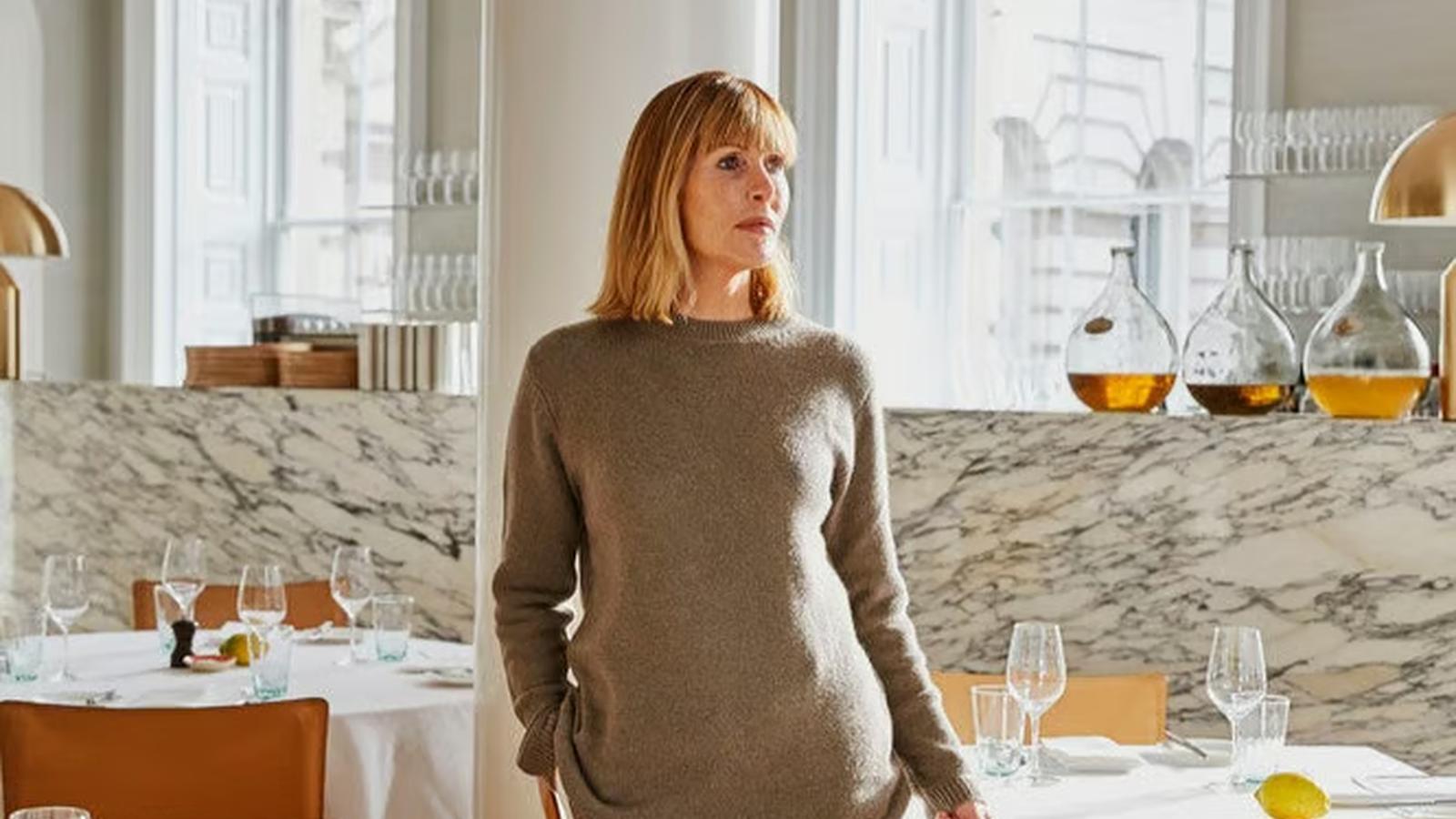
Quick Read
- Skye Gyngell, a pioneering Australian-born chef, died in London at 62 after battling Merkel cell carcinoma.
- She revolutionized British dining with her focus on seasonality, sustainability, and informal elegance.
- Gyngell won a Michelin star for Petersham Nurseries Café in 2011, a milestone for relaxed, ingredient-driven restaurants.
- Her solo venture Spring was London’s first plastic-free restaurant and led the way in food waste reduction.
- She was a celebrated food writer and mentor, awarded a Lifetime Achievement Award in 2025.
Remembering Skye Gyngell: A Visionary’s Farewell
On November 22, 2025, the culinary world lost one of its most influential and original voices. Skye Gyngell, the Australian-born chef who rewrote the rules of British dining, passed away in London, surrounded by her loved ones after a battle with a rare form of skin cancer. Her death at 62 was met with an outpouring of tributes from chefs and food writers, a testament to the legacy she leaves behind (Evening Standard).
From Paris to Petersham: The Rise of a Culinary Icon
Gyngell’s journey began far from the greenhouses of Richmond. Trained at La Varenne in Paris under Anne Willan, she absorbed the fundamentals of classical French cuisine before honing her craft in London’s kitchens, including The French House in Soho and The Dorchester under Anton Mosimann (Restaurant Online).
But it was at Petersham Nurseries Café, which she joined as head chef in 2004, that Gyngell truly made her mark. The setting was unconventional—a greenhouse in a garden centre with rickety tables and a muddy floor, the kitchen cobbled together from second-hand equipment and running on bottled gas that would sometimes run out. Yet, it was here that Gyngell’s philosophy of cooking—letting the freshest ingredients dictate the menu—came into full bloom (The Telegraph).
“Back then, people didn’t talk about cooking seasonally,” Gyngell once recalled. “If you looked at a Gordon Ramsay menu it would have things like pineapples, strawberries and asparagus on during December.” Instead, she relied on what was available locally, often straight from the restaurant’s own vegetable garden. Diners were captivated, and in 2011, Michelin awarded the café a star, upending the conventional wisdom that only formal, French-style restaurants could achieve such recognition.
Seasonality, Sustainability, and a New British Cuisine
Gyngell’s approach was not just about taste—it was a philosophy, a quiet rebellion against the excesses and uniformity of globalized food culture. Her menus celebrated “seasonality,” “provenance,” and “sustainability” long before these became culinary buzzwords. Upmarket restaurants began to follow her lead, growing their own produce or proudly listing the origins of each ingredient.
But Gyngell herself remained grounded. She described herself as “a very simple cook,” insisting, “The secret is not to mess with a great ingredient. All you have to do is turn the volume up.” Her dishes—chickpea stew, slow-cooked beetroot leaves on bruschetta, peach and tomato ice cream—were praised for their purity and subtle magic.
Beyond Petersham: Spring and the Green Revolution
Despite the acclaim, Gyngell was uneasy with the pressures that came with Michelin’s attention. She famously called the star a “curse” for the guest expectations it created and left Petersham in 2012. But she was far from finished.
In 2014, she opened Spring at Somerset House, her first solo restaurant and a bold new chapter. Spring was notable not only for its food but also for its principles. It became London’s first single-use plastic free restaurant, long before such moves became industry standard. Gyngell introduced the ‘Scratch Menu’—a creative, affordable set menu built from surplus and lesser-loved ingredients, making diners confront food waste and sustainability in a delicious, tangible way. The kitchen at Spring was also groundbreaking for its largely female brigade, challenging the male-dominated culture of fine dining (Restaurant Online).
Her commitment to responsible sourcing and regenerative agriculture extended beyond Spring. As culinary director at Heckfield Place from 2012 until her death, Gyngell helped the Hampshire estate adopt regenerative practices. Marle, the restaurant at Heckfield, was awarded a green Michelin Star in 2022 and has retained it ever since.
Writing, Mentorship, and a Lasting Legacy
Gyngell’s influence was not confined to the kitchen. She was a prolific food writer, serving as food editor for Vogue until 2003 and writing for The Independent on Sunday from 2006 to 2011. Her four cookbooks—A Year in My Kitchen, My Favourite Ingredients, How I Cook, and Spring—inspired countless home cooks and professional chefs alike, with two of them earning prestigious awards.
She was also a steadfast supporter of social causes, including the StreetSmart charity initiative and the Felix Project, which tackle homelessness and food poverty. Her leadership was recognized with a Lifetime Achievement Award at the 2025 National Restaurant Awards.
Personal Courage and Final Reflections
In her final year, Gyngell faced Merkel cell carcinoma, a rare and aggressive skin cancer that eventually spread to her salivary glands. At one point, she lost her sense of taste and smell for several months—a devastating challenge for any chef. Despite this, she spoke candidly about her hopes for the future: “I hope [Spring] survives for another 10 years, and that relies on us cooking beautiful food and delivering great service. I want to do more work with the farm, have a growing programme, and bring younger people back to the land… We’re not perfect and we can still go further, but everything we do is done authentically.”
Her passing was marked by heartfelt tributes from industry luminaries. Jamie Oliver wrote, “She was an amazing woman and incredible cook and kind hearted. She will be very very very missed. Thank you for all you did to inspire young cooks.” Ravneet Gill called her “a woman and inspiration.” Jeremy Lee, chef at Quo Vadis, praised her “extraordinary life and career.”
Skye Gyngell’s story is a reminder that true innovation often looks simple—until someone does it first. She changed the way Britain eats by insisting that food should be of its place and its time, and she did so with humility, integrity, and a quiet, unwavering belief in doing things the right way. Her influence, like the gardens she loved, will continue to grow.