
Quick Read
- A hiker died after being bitten by a suspected timber rattlesnake at Savage Gulf State Park in Tennessee.
- Tennessee is home to four venomous snake species, including the timber rattlesnake and copperhead.
- Authorities stress the importance of wildlife awareness and first-aid preparedness in natural areas.
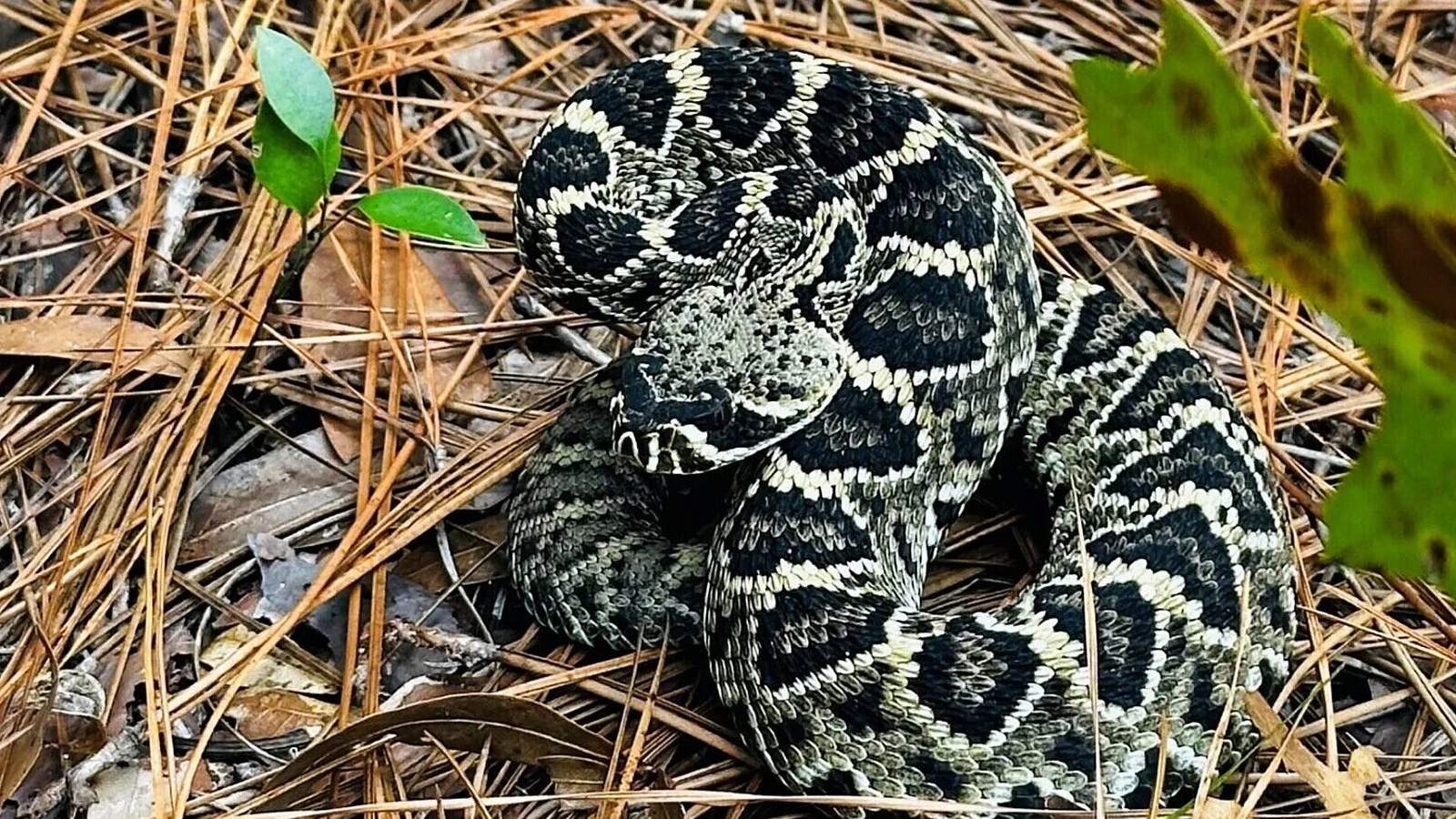
A recent tragedy at Savage Gulf State Park in Tennessee has brought renewed attention to the risks posed by venomous snakes in the region. On Friday, August 18, 2025, a hiker was fatally bitten by what is believed to be a timber rattlesnake, one of Tennessee’s most prominent venomous snake species. This incident serves as a stark reminder of the need for caution and preparedness when venturing into the state’s scenic yet potentially hazardous natural areas.
A Sobering Incident at Savage Gulf
According to OutdoorHub, the incident occurred at the Savage Gulf trailhead in Grundy County, Tennessee. Emergency responders were called to the scene around 12:30 p.m. The victim, located approximately half a mile down the trail, had reportedly picked up the snake and was bitten on the hand. Despite immediate CPR efforts and subsequent transport to a nearby hospital, the hiker was pronounced dead. Authorities suspect the victim may have suffered an allergic reaction to the snakebite, compounding the severity of the situation.
Multiple agencies, including park rangers, Grundy EMS, and local fire and rescue teams, responded to the emergency. In a compassionate gesture, a volunteer firefighter transported the victim’s spouse to the hospital to provide support during the crisis.
Understanding Tennessee’s Venomous Snakes
Tennessee is home to four venomous snake species: the timber rattlesnake, copperhead, cottonmouth (commonly known as the water moccasin), and pygmy rattlesnake. These snakes belong to the pit viper family, characterized by their triangular heads, vertical pupils, and heat-sensing pits between their eyes and nostrils.
The timber rattlesnake, suspected in this case, is the largest venomous snake in the state. It is typically found in wooded and rocky hillsides and is known for its generally calm demeanor. However, it will rattle its tail as a warning when threatened. Another species, the pygmy rattlesnake, is the smallest venomous snake in Tennessee but possesses equally potent venom. These species, alongside the cottonmouth and copperhead, make the state’s wilderness areas both beautiful and potentially dangerous.
Wildlife Awareness: A Necessity for Outdoor Enthusiasts
Savage Gulf State Park, part of the South Cumberland State Park system, spans nearly 16,000 acres across Grundy and Sequatchie counties. Known for its waterfalls, wildflowers, sandstone cliffs, and picturesque gorges, the park attracts thousands of visitors annually. Popular activities include hiking, swimming, rock climbing, and camping. However, as this tragic incident illustrates, the park’s natural beauty comes with inherent risks.
Park officials and experts strongly recommend carrying basic first aid supplies and remaining vigilant while enjoying outdoor activities. Wildlife, including venomous snakes, plays a vital role in the ecosystem but can pose significant dangers if not respected. Visitors are urged to maintain a safe distance from all wildlife and to avoid handling any snake, venomous or otherwise.
Historical and Regional Context
Tennessee’s diverse geography, which includes forests, rivers, and wetlands, provides an ideal habitat for both venomous and non-venomous snake species. Timber rattlesnakes, for instance, are found across much of the state, while cottonmouths primarily inhabit its western portions. Non-venomous water snakes, often mistaken for cottonmouths, are also widespread.
According to World Atlas, similar risks exist in neighboring states, such as Mississippi, where rattlesnakes are prevalent in specific regions. These shared ecosystems underscore the importance of regional awareness and education about local wildlife.
In light of this recent tragedy, outdoor enthusiasts and local communities are reminded of the need for caution and respect when exploring Tennessee’s natural areas. Savage Gulf State Park, a beloved destination for its breathtaking landscapes, will undoubtedly continue to attract visitors, but its wildlife serves as a potent reminder of nature’s dual beauty and danger.
This tragic incident is a sobering reminder of the delicate balance between enjoying nature and respecting its inherent dangers. As visitors continue to explore Tennessee’s wild landscapes, awareness and preparedness remain key to ensuring safety in the great outdoors.