
Quick Read
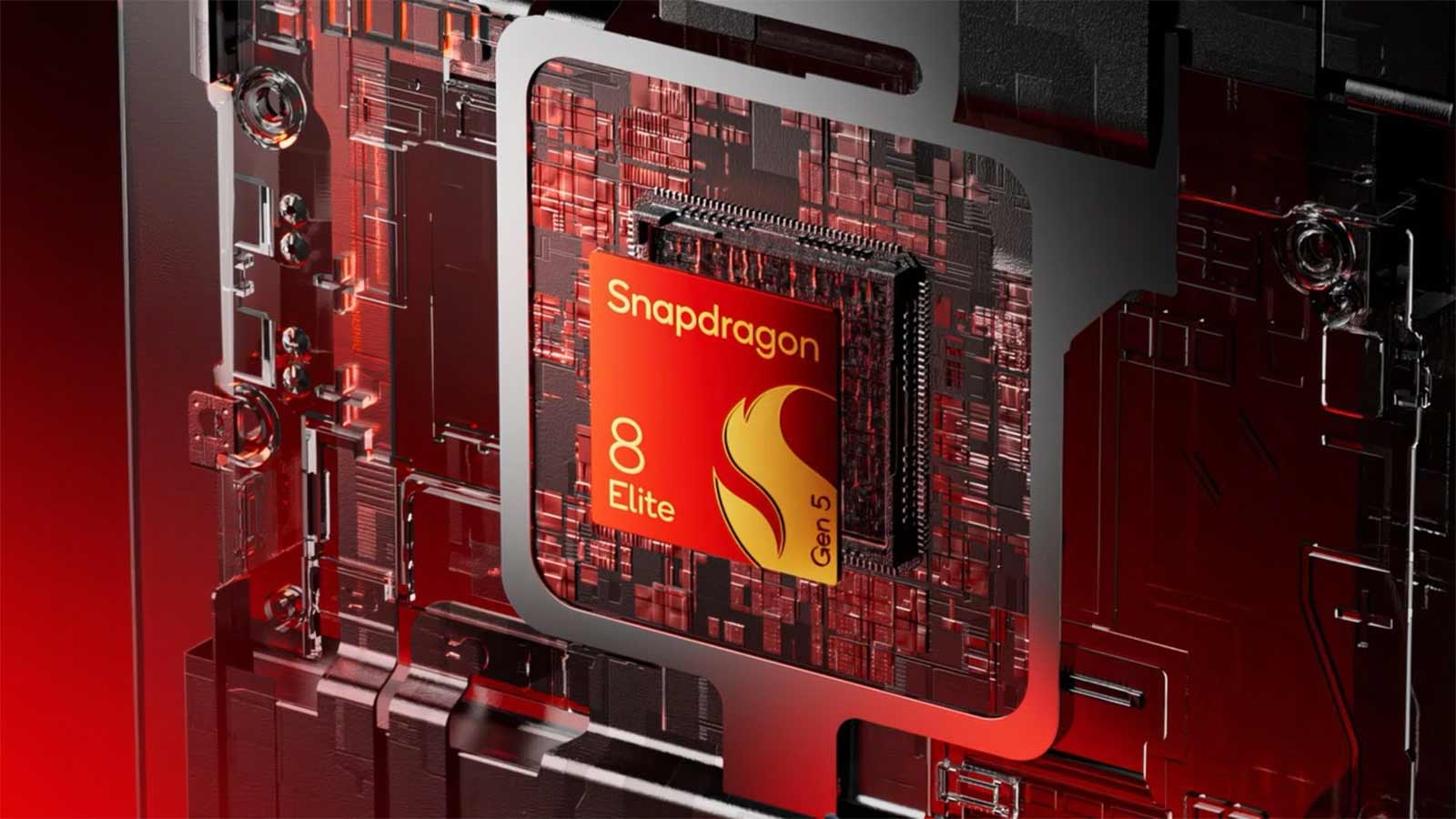
- Motorola’s Edge 70 Ultra is set to launch with Snapdragon 8 Gen 5, not the Elite version.
- Snapdragon 8 Gen 5 offers high performance but falls just short of Elite-class benchmarks.
- Early benchmarks place Gen 5 between Snapdragon 8 Gen 3 and Elite Gen 5 in speed.
- Motorola’s strategy focuses on balanced flagship features and pricing.
- The Gen 5’s smaller cache may limit gaming performance compared to Elite, but it remains fast for most users.
Motorola’s Flagship Strategy: Choosing Snapdragon 8 Gen 5 Over Elite
For years, the race for the fastest smartphone chip has defined the premium Android experience. In 2025, Motorola seems poised to disrupt that narrative with its next flagship, the Edge 70 Ultra. According to multiple leaks and industry insiders, this high-end device will be powered by Qualcomm’s freshly released Snapdragon 8 Gen 5 — not the absolute top-of-the-line Elite variant.
The decision is more than a technical footnote. It signals Motorola’s intent to offer flagship-level speed and features without chasing the very highest benchmark numbers or price tags. The Edge 70 Ultra, codenamed “Urus,” is expected to slot in as a balanced powerhouse, targeting users who crave performance but don’t necessarily need the bragging rights of an Elite chip.
What Sets Snapdragon 8 Gen 5 Apart?
Qualcomm’s Snapdragon 8 Gen 5 is no slouch. Built as the successor to the widely praised Gen 3, the Gen 5 offers marked improvements in speed and efficiency. Early Geekbench results for the Edge 70 Ultra (XT2603-1) show single-core scores around 2,636 and multi-core scores of 7,475. These figures place it comfortably above last year’s Gen 3, but just below the newer Snapdragon 8 Elite Gen 5, which remains Qualcomm’s fastest offering.
But performance is nuanced. While the Elite model boasts a maximum clock speed of 4.32GHz and significantly larger L2 and L3 cache sizes (critical for gaming and heavy multitasking), the Gen 5 runs at a still-impressive 3.80GHz and features 4MB of L2 cache for performance cores, plus 12MB for efficiency cores. According to Android Headlines, this smaller cache could put the Gen 5 at a slight disadvantage for hardcore gamers, especially in scenarios that demand sustained peak performance. However, Qualcomm’s own benchmarks suggest the gap is only about 14 percent in real-world tasks, and the Gen 5 still supports gaming at up to 165 FPS in supported titles.
In short: For the vast majority of users, the Snapdragon 8 Gen 5 will feel lightning-fast. The difference is noticeable only in the most extreme use cases.
Flagship Features Without the Elite Price Tag
Beyond the silicon, Motorola’s rumored Edge 70 Ultra is shaping up to be a true contender in the flagship space. Early leaks point to a generous 16GB of RAM, a sharp 1.5K OLED screen, and a periscope-style telephoto camera — features that rival the best on the market. The device is expected to continue Motorola’s biennial release cycle, standing alongside the standard Edge 70, which launched with a Snapdragon 7 Gen 4 and triple 50MP cameras just last month.
According to TechTimes and GSMArena, Motorola is positioning the Edge 70 Ultra as a “non-foldable flagship,” distinguishing it from the rumored Razr 70 Ultra, which may inherit the Elite Gen 5 chip for those who demand the very best. For budget-conscious shoppers or those who value a blend of speed, photography, and display quality, the Edge 70 Ultra could be the sweet spot.
Snapdragon 8 Gen 5: Context in the 2025 Market
The Gen 5’s launch comes at a moment when Qualcomm is aggressively segmenting its chipset lineup. The Elite Gen 5 sets new records, as seen in devices like the Honor Magic 8 Pro, which packs a massive 7,100mAh battery, 100W fast charging, and a triple camera setup headlined by a 200MP sensor. These phones cater to users who demand the absolute cutting edge.
But for brands like Motorola and OnePlus — whose upcoming 15R will be the first international phone with the Gen 5 — the focus is shifting. Instead of chasing the Elite’s numbers, they’re betting that most users want premium performance at a more reasonable price. The Snapdragon 8 Gen 5’s specs, including its Adreno 840 GPU, support for up to 16GB RAM, and robust connectivity options, ensure that it’s future-proof for nearly every mainstream task.
This approach is pragmatic. As devices become more expensive, the difference between “flagship” and “super flagship” is increasingly subtle. For most, it’s the overall experience — display quality, camera versatility, battery life — that matters more than a few percentage points in benchmark scores.
What’s Next for Motorola’s Edge Series?
Motorola’s Edge 70 Ultra, if leaks hold true, will launch globally in 2026. The company has yet to confirm official details, but trusted tipster Evan Blass and several industry reports point to a release that will expand the Edge series beyond its current single model.
The standard Edge 70 already delivers a premium experience, but with the Gen 5 chip, Motorola is aiming for a higher tier — without crossing into the price and performance stratosphere of the Elite-equipped competition. In essence, the Edge 70 Ultra will be a flagship for the real world: fast, feature-rich, and focused on what matters most to everyday users.
Snapdragon 8 Gen 5 vs. Elite: The Real-World Tradeoff
Is the Snapdragon 8 Gen 5 “good enough”? For most, the answer is an emphatic yes. Its performance outpaces previous generations, and only the most demanding users — such as competitive gamers or power users pushing the limits of multitasking — are likely to notice the difference. The smaller cache and slightly lower clock speed are technical realities, but they don’t diminish the chip’s appeal for mainstream flagship devices.
Motorola’s choice also highlights a broader trend: flagship phones are becoming less about raw power and more about delivering a balanced, reliable user experience. The days of one-upmanship on benchmarks may be fading, replaced by a smarter approach to hardware that prioritizes battery life, camera innovation, and display technology.
As the Edge 70 Ultra nears launch, it’s clear that the Snapdragon 8 Gen 5 will be at the heart of this strategy. It’s not the fastest chip Qualcomm makes — but it’s likely fast enough for almost everyone.
Motorola’s move to equip its next Ultra flagship with the Snapdragon 8 Gen 5, rather than the Elite, underscores a strategic shift in the industry: prioritizing meaningful, balanced performance over chasing maximum benchmarks. For most users, this means flagship speed and features at a more accessible price point, while only the most demanding will truly miss the Elite’s extra edge.