
Quick Read
- Snow squalls are brief but intense winter weather events that rapidly reduce visibility and make roads hazardous.
- Warnings are issued quickly and locally; drivers are urged to postpone travel, reduce speed, and use headlights during squalls.
- Snow squalls commonly cause multi-vehicle pileups, especially on highways.
- Preparation—both vehicle maintenance and emergency kits—is critical before winter travel.
- Weather services advise monitoring real-time alerts and reporting severe incidents to improve community safety.
What Is a Snow Squall—and Why Does It Matter?
In the world of winter weather, few phenomena arrive as abruptly or as perilously as a snow squall. Imagine a sunny or mildly cloudy afternoon, and suddenly, within minutes, visibility drops to near zero, winds whip up, and roads turn icy and treacherous. Unlike drawn-out snowstorms, snow squalls strike with little warning and are gone just as quickly—often lasting less than an hour, according to the National Weather Service and Environment Canada. Yet, their brief duration belies the dangers they bring.
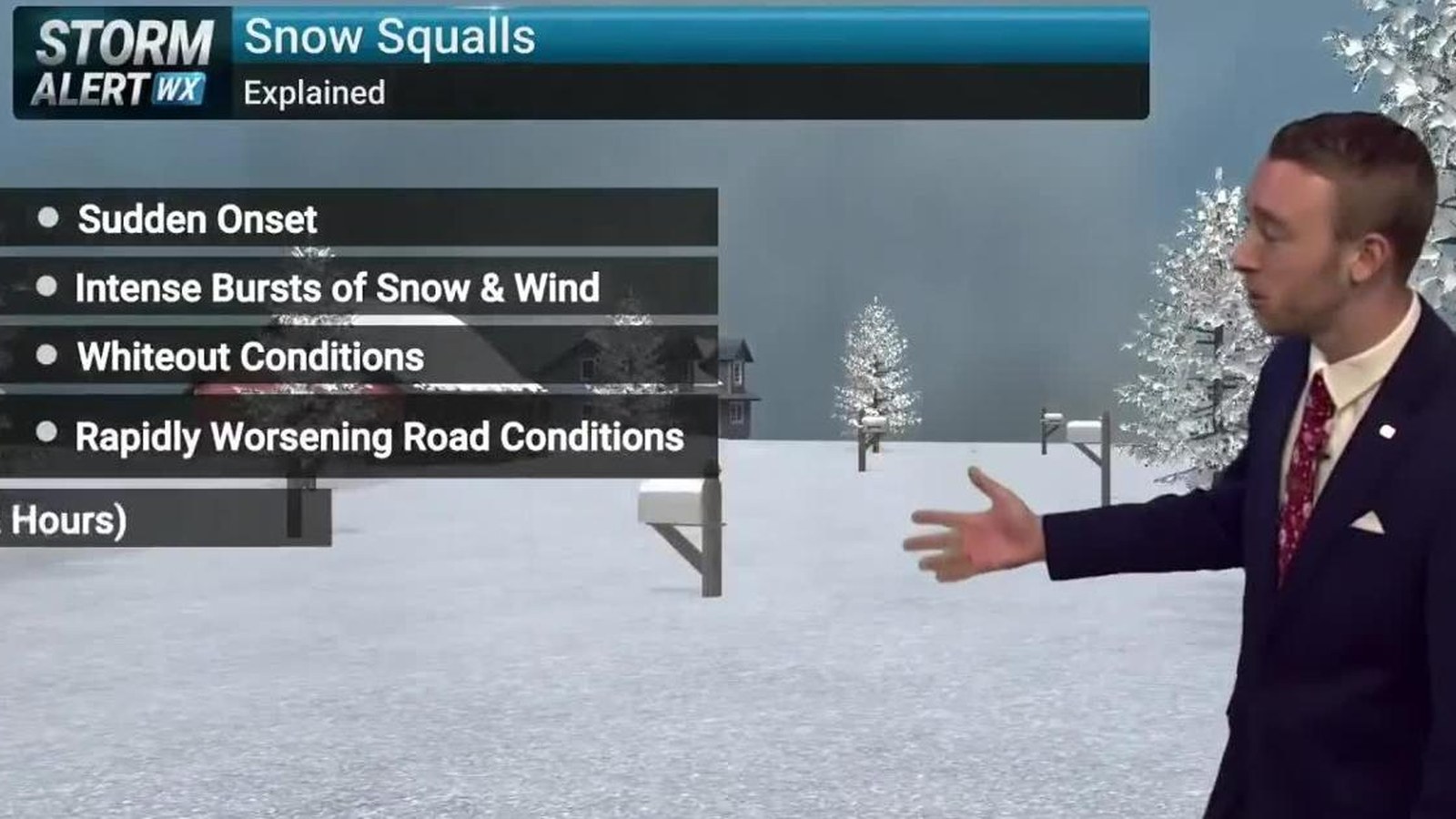
Snow squalls are intense bursts of heavy snow accompanied by gusty winds, rapidly dropping temperatures, and an almost instantaneous reduction in visibility. They tend to form along strong cold fronts, frequently impacting specific regions like southern Michigan, parts of Ontario, and occasionally the northern Midwest. The National Weather Service describes them as the culprits behind many winter highway pileups—sometimes involving dozens or even hundreds of vehicles in chain-reaction crashes. It’s not just the snow; it’s the speed at which conditions deteriorate that makes these squalls so hazardous.
How Do Snow Squalls Differ from Snowstorms?
At first glance, snow squalls and snowstorms may sound similar. Both bring snow, wind, and icy roads. But the key difference lies in duration and intensity. Snowstorms can last for hours or days, steadily covering the landscape. Snow squalls, in contrast, last typically 30 to 60 minutes (rarely up to two hours), delivering their fiercest conditions in mere moments. According to KIMT, these events can transform bare ground into several inches of snow within minutes, creating whiteout conditions and a sudden spike in travel hazards.
Official Warnings: What Triggers Action?
Because snow squalls develop so quickly, official warnings are issued with urgency. Much like tornado or severe thunderstorm alerts, snow squall warnings are highly localized and time-sensitive. When a warning is declared—such as the recent alert for Hillsdale County, Michigan, or the yellow level warning across Midland and Georgian Bay in Ontario—authorities urge the public to take immediate precautions.
Environment Canada and the National Weather Service both stress the importance of monitoring weather alerts and forecasts, especially during winter months. They also encourage residents to report severe weather incidents, helping meteorologists track and respond to rapidly changing conditions.
Driving in a Snow Squall: Critical Safety Tips
So, what should you do if you’re caught in a snow squall, or if a warning is issued for your area?
- Avoid Travel: The most effective way to stay safe is to postpone or avoid driving altogether until the squall passes. Roads can become hazardous within seconds, and visibility can drop to zero without warning.
- Reduce Speed and Increase Visibility: If travel is unavoidable, slow down significantly. Turn on your headlights and hazard lights—not just for your own benefit, but to help other drivers see you.
- Maintain Distance: Leave plenty of space between you and the vehicle ahead. Sudden stops can lead to multi-car pileups, especially on slick surfaces.
- Avoid Abrupt Braking: Slamming on the brakes on icy roads can cause you to lose control and may trigger chain-reaction crashes.
- Prepare Your Vehicle: Before winter sets in, ensure your car is ready. Check tires, brakes, lights, and fluid levels. A well-maintained vehicle is better equipped to handle winter’s demands.
- Emergency Kit Essentials: Equip your car with a winter emergency kit: blankets, non-perishable food, water, flashlight, first-aid kit, jumper cables, flares or reflective triangle, ice scraper, cell phone charger, a map, and something for tire traction like cat litter or sand. These items can be lifesavers if you’re stranded.
In regions where snow squalls are less common—such as southeast Minnesota and North Iowa, where blizzards are more frequent—the suddenness of a squall can catch even seasoned drivers off guard. As reported by KIMT, visibility can plummet from perfect to nothing in seconds, making preparedness and caution vital.
The Human Cost: Why Vigilance Matters
Behind every snow squall warning lies a history of tragic traffic accidents. High-speed pileups involving dozens, sometimes hundreds, of vehicles are alarmingly common, especially on highways and interstates. The combination of rapidly worsening visibility, icy pavement, and panicked braking can turn a routine commute into a scene of chaos.
For communities affected, the aftermath stretches far beyond the initial storm. Emergency responders, tow trucks, and medical personnel must navigate the same hazardous conditions, often risking their own safety to help others. Public alerts and community awareness programs play a crucial role in reducing the toll these events take.
Monitoring, Reporting, and Staying Informed
Modern weather services have improved their alert systems, offering real-time updates through websites, apps, and social media. Environment Canada’s color-coded warnings and the National Weather Service’s rapid notifications allow residents to stay ahead of changing conditions. Reporting severe weather—by email or on platforms like X (formerly Twitter)—also helps authorities refine forecasts and target their warnings more accurately.
Ultimately, the best defense against a snow squall is preparation and vigilance. Stay informed, heed warnings, and never underestimate the speed at which winter weather can turn dangerous.
Analysis: The facts show that snow squalls, despite their brief duration, are among the most dangerous winter weather events for drivers. Their unpredictability and speed demand respect—by following expert guidance and preparing vehicles and emergency kits, individuals can substantially reduce their risk. Community awareness and swift, targeted warnings are essential tools in preventing tragedy.