
Quick Read
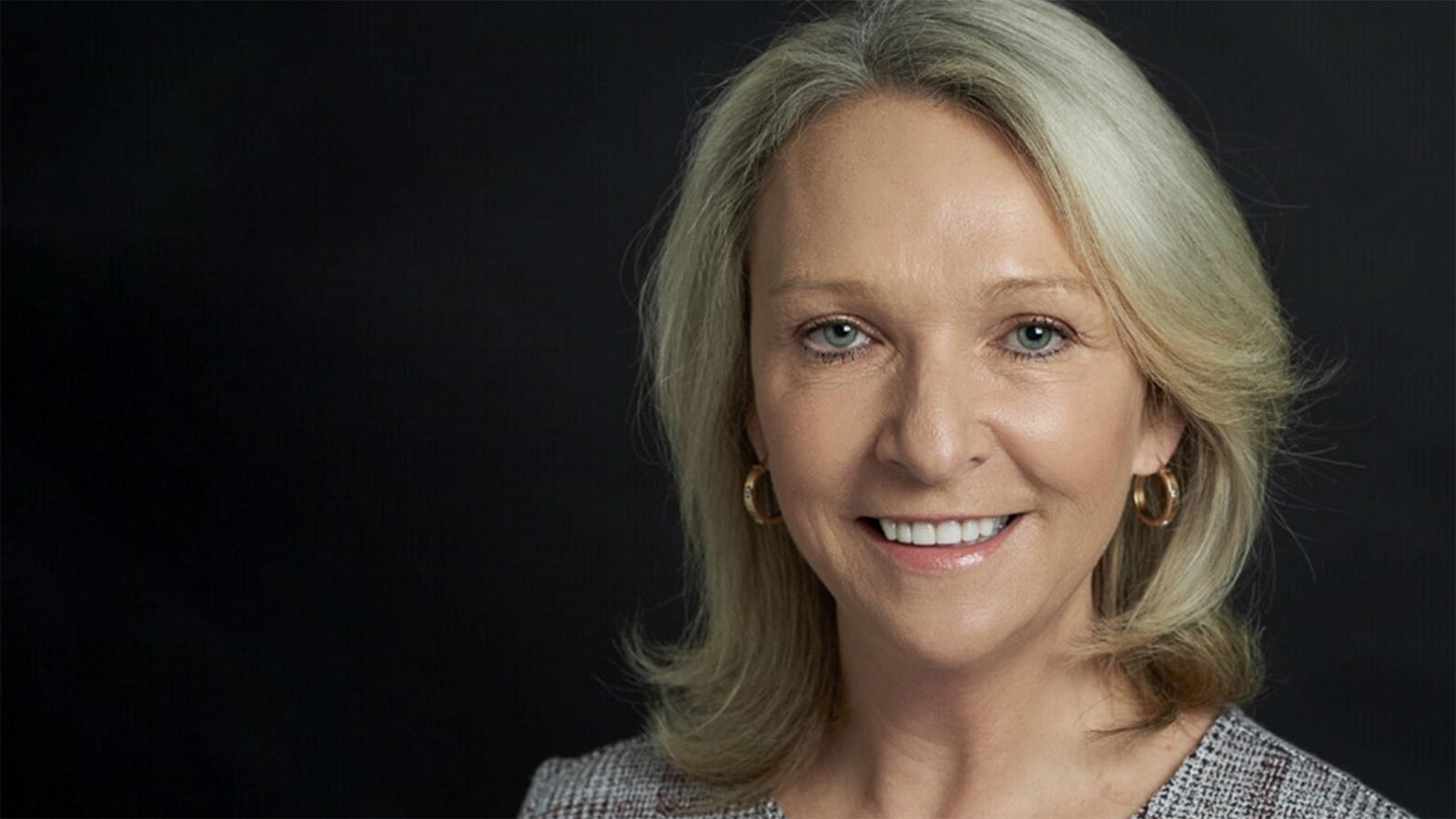
- Sonia Bélanger was appointed Quebec health minister less than a day after Christian Dubé’s resignation.
- Bélanger is a nurse by training and a former health authority director, elected as MNA for Prévost in 2022.
- Her main challenge is rewriting Bill 2 to reflect a new agreement with family doctors.
- Dubé’s resignation followed tensions over proposed health reforms and is viewed as a political setback for the CAQ government.
- Bélanger is expected to prioritize system stability and dialogue with health-care workers.
Sonia Bélanger Steps In: A Rapid Response to Quebec Health Leadership Shake-Up
It’s not often that Quebec’s political landscape pivots so quickly. Less than 24 hours after Christian Dubé’s abrupt resignation as health minister, Premier François Legault wasted no time in naming Sonia Bélanger as his successor. The transition, swift and deliberate, comes at a moment when the province’s healthcare system is grappling with uncertainty and reform.
From Nurse to Cabinet: Bélanger’s Journey to the Helm
Sonia Bélanger’s appointment is no accident. Before politics, she built her reputation at the heart of Quebec’s health network. As a trained nurse, she understands the daily realities facing frontline workers. Her résumé includes stints as director-general of the CIUSSS du Centre-Sud-de-l’Île-de-Montréal, as well as the CSSS du Sud-Ouest–Verdun. These aren’t just administrative titles—they reflect years spent navigating the complexities of Quebec’s regional health authorities, a background that sets her apart from many of her peers.
In 2022, Bélanger made the leap from health administrator to elected official, winning the seat for Prévost in the Laurentians. Her move to the National Assembly was seen as a nod to her deep sector expertise, and she quickly assumed responsibility as minister for social affairs, seniors, and caregivers. Now, with the health ministry in her hands, those experiences are expected to shape her approach in the months ahead.
Dubé’s Departure: Political Reverberations and Challenges Ahead
The context of Bélanger’s appointment is as important as her credentials. Christian Dubé’s resignation, announced Thursday, sent ripples through the Coalition Avenir Québec (CAQ) government. Dubé, who will now sit as an independent, cited his discomfort with rewriting Bill 2—the law setting Quebec doctors’ salaries—after a new, tentative agreement with family doctors shifted the landscape. In his pointed farewell letter, Dubé argued that the latest deal marked a return to the status quo, rather than the bold reform he’d envisioned. Premier Legault, in a candid message, acknowledged the loss as a heavy blow, both politically and personally. “Politics is rough on a human level,” Legault admitted, reflecting on the human costs of leadership and the weight of public service.
The health ministry, however, could not afford to linger in limbo. Quebec’s health system has faced mounting pressures: staff shortages, long wait times, and the ongoing challenge of balancing reform with stability. Dubé’s exit, amid tense negotiations with the province’s doctors, risked further destabilizing an already fragile system. Bélanger’s rapid swearing-in signals the government’s resolve to keep the ship steady.
Continuity and Dialogue: Bélanger’s Immediate Mandate
According to Montreal Gazette and CityNews Montreal, Bélanger’s appointment is widely seen as a bid for continuity. Her background as a nurse and health network executive gives her a grounded perspective on the issues at hand. She is expected to prioritize ongoing dialogue with health-care workers, an approach deemed vital in rebuilding trust and morale. Rewriting Bill 2 remains a top priority, but the challenge goes beyond legislative tweaks. Bélanger must balance the expectations of physicians, the government, and the public—each with their own vision for the future of Quebec’s healthcare.
The task ahead is daunting. The new agreement with family doctors, which Dubé found unsatisfactory, must now be reflected in law. Bélanger inherits not only the negotiations but also the responsibility for ensuring that reforms do not compromise the quality of care or further strain an overburdened system. Her experience running large health institutions may prove invaluable in navigating this delicate terrain.
Political Fallout and the Road Forward
While Dubé’s resignation remains a focal point for political commentators, Bélanger’s appointment shifts attention to the future. The CAQ government, already under scrutiny for its management of healthcare, must demonstrate that change at the top will translate into meaningful improvements on the ground. Bélanger’s reputation as a pragmatic, empathetic leader could help stabilize relations with health sector stakeholders.
Her challenge will be to move beyond crisis management and articulate a clear vision for reform. The province’s health system, often described as “fragile,” needs more than patchwork solutions. Bélanger’s ability to maintain continuity while pushing for effective change will likely define her tenure as minister.
Human Costs and Leadership Lessons
Legault’s candid reflections on the personal toll of politics hint at the broader stakes involved. Leadership in public health isn’t just about policy—it’s about navigating the emotional terrain of loss, disappointment, and resilience. Bélanger’s background as a caregiver may give her unique insight into these human dimensions, an asset as she steps into one of Quebec’s most challenging roles.
The coming weeks will test her ability to keep the system steady, maintain open lines of communication with health-care workers, and re-establish trust amid ongoing reforms. With the eyes of Quebec on her, Bélanger’s leadership will be measured not only by legislative achievements, but by her capacity to listen, adapt, and deliver stability in uncertain times.
Sonia Bélanger’s rise to health minister marks a pivotal moment for Quebec’s healthcare system—a calculated bet on continuity, empathy, and sector expertise. If she can bridge the gap between frontline realities and government ambitions, her tenure could reshape the province’s approach to health reform, setting a new standard for leadership in turbulent times.