
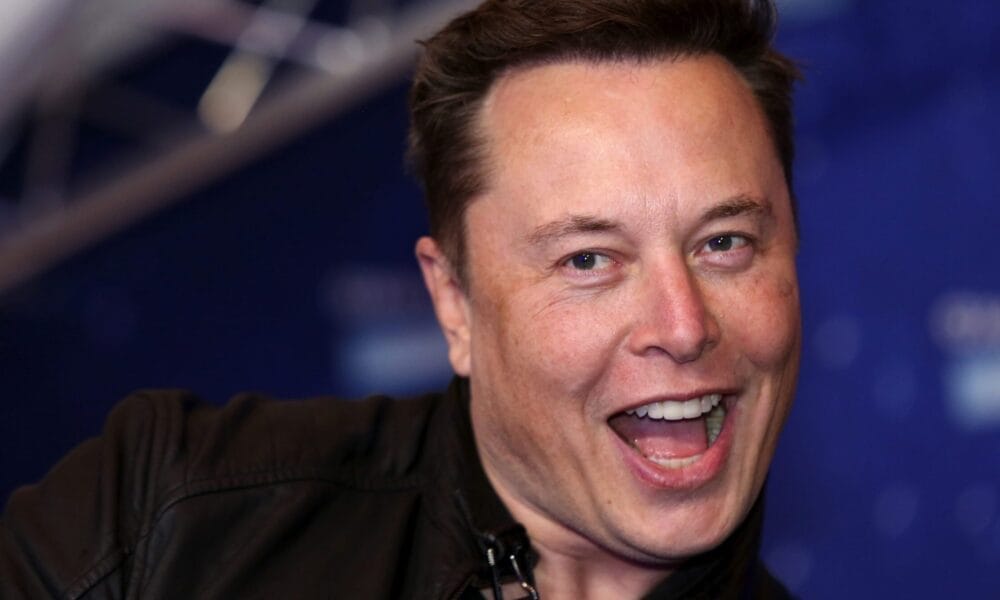
Musk’s Assertion: Billionaire claims racial bias behind Starlink’s operational hurdles.
Elon Musk’s recent statement, disseminated via his social media platform X, leveled accusations of racial discrimination as the barrier to Starlink’s operations in South Africa. Musk, who was born and educated in South Africa, suggests his non-Black identity is the reason for the operational blockade. This assertion clashes with previous reports indicating Starlink’s concerns primarily revolve around licensing within South Africa’s telecommunications market.
South African Government’s Rebuttal: Official denial and legal justifications.
The South African government promptly countered Musk’s claims, firmly denying any racial bias. Senior official Clayson Monyela from the Department of International Relations and Cooperation asserted that Starlink is welcome to operate in South Africa, contingent upon adherence to local legislation. He clarified that the issue is not Musk’s race but rather compliance with established regulations applicable to all international companies seeking to operate within the country.
Black Economic Empowerment Rules: Understanding the 30% equity requirement for licensees.
Musk’s comments are directly related to the Black Economic Empowerment (BEE) policy, designed to redress economic disparities stemming from the apartheid era. BEE regulations mandate foreign companies seeking telecommunications licenses to cede a significant portion (30%) of their local subsidiary’s equity to historically disadvantaged groups. While criticized by some international investors, the South African government defends this policy as essential for creating a fair and inclusive economy.
ICASA’s Stance: Regulator cites lack of application from Starlink and licensing norms.
The Independent Communications Authority of South Africa (ICASA), the nation’s telecommunications regulator, confirmed that Starlink has not submitted any license application. ICASA’s spokesperson’s statement directly contradicts Musk’s assertion of racial discrimination preventing operation. In essence, the regulator maintains Starlink has not even initiated the licensing process, rendering any claims of operational prohibition unfounded.
Licensing Disputes Across Africa: Starlink’s regulatory challenges in other African nations.
South Africa is not unique in presenting regulatory challenges to Starlink within Africa. The company has encountered licensing issues in Cameroon and Namibia, among others. These challenges often stem from complexities in navigating local regulatory frameworks and governmental approaches to telecommunications market control. This pattern suggests that Starlink’s expansion in Africa involves a complex and potentially protracted licensing process requiring careful navigation of and adaptation to local regulatory environments.
Political Undercurrents: US aid suspension and Trump’s connection to Musk adds complexity.
This dispute unfolds within a broader political context marked by strained relations between the U.S. and South Africa. Recently, U.S. President Donald Trump suspended aid to South Africa, citing land reform policies and the country’s case against Israel at the International Court of Justice. Adding another layer is Musk’s close relationship with Trump, now considered one of his advisors. This political backdrop raises questions about the motivations behind Musk’s statement and potential political undertones.
Conclusion: Conflicting narratives and the path forward for Starlink in South Africa.
The dispute between Elon Musk and the South African government regarding Starlink’s operational prospects in the country underscores the intricate interplay of business, politics, and regulatory frameworks in the global arena. Musk’s accusations of racial bias are directly contradicted by official statements from the South African government and its regulatory body, which emphasize that the core issue is regulatory compliance. Future developments will reveal whether Starlink pursues a license application and how its relationship with the South African government evolves. It is clear that this narrative is ongoing and potentially subject to further twists and turns.