
Quick Read
- The South African rand strengthened from R19/$ in April 2025 to better than R16/$ this week.
- The rand slipped to 15.9550 against the dollar on Wednesday, ahead of key US Fed and SARB interest rate decisions.
- A weaker US dollar and soaring precious metal prices (gold at $5,100/ounce, platinum at $2,770/ounce) are major drivers of the rand’s rally.
- Improved local factors include better-than-expected economic growth, receding structural constraints, and fiscal improvements.
- An explosion at South Africa’s largest water treatment plant disrupted supply to over 11 million people in Gauteng this week.
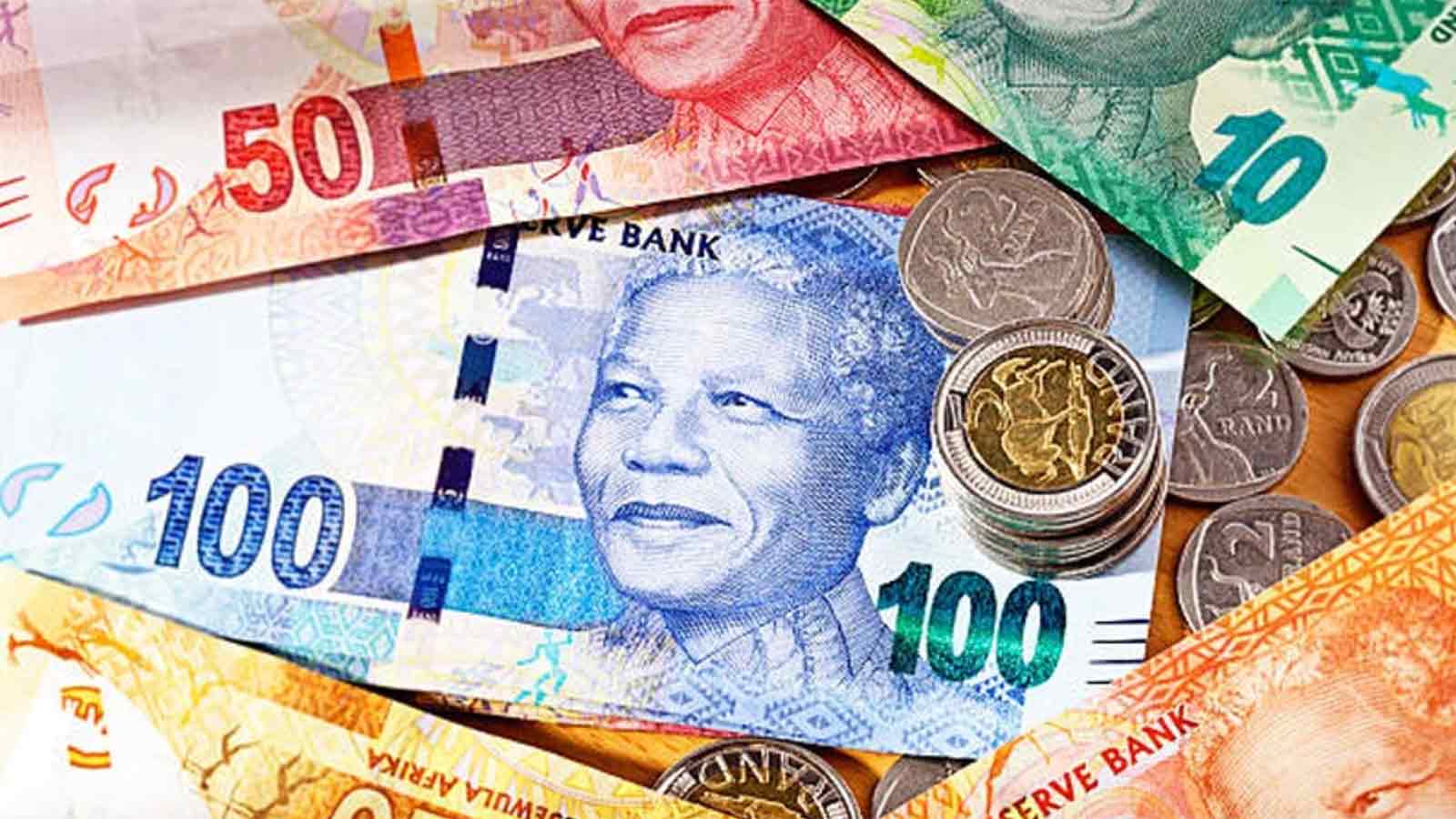
JOHANNESBURG (Azat TV) – The South African rand, having enjoyed a remarkable strengthening trend since mid-2025, experienced a slight dip on Wednesday as investors awaited crucial interest rate decisions from the United States Federal Reserve and the South African Reserve Bank. The currency’s recent rally, which saw it move from over R19 to the US dollar in April 2025 to better than R16 per dollar this week, has been largely driven by a weakening American currency and a surge in precious metal prices, but domestic challenges, including a recent explosion at a key water treatment plant, temper an otherwise optimistic outlook.
At 1524 GMT on Wednesday, the rand traded at 15.9550 against the dollar, roughly 0.6% down on Tuesday’s close, reflecting market caution. This comes after the currency had reached its lowest level against the dollar since June 2022, dropping over 20% from its April 2025 highs.
The Rand’s Remarkable Ascent
The rand’s significant appreciation since the second half of 2025 and into early 2026 is attributable to a potent combination of global and local factors. A key driver has been the weakening US dollar, a trend Johann Els, group chief economist at PSG Financial Services, attributes to policy uncertainties created by the new US administration. These uncertainties, encompassing fiscal policy, tariffs, general policy volatility, and further interest rate cuts, are expected to persist, potentially ushering in a weaker dollar cycle.
Adding to the rand’s strength, heightened geopolitical tensions and policy uncertainties in advanced economies have pushed investors towards safe-haven assets, leading to a dramatic surge in precious metal prices. Gold recently added $500 to nearly $5,100 per ounce in days, while platinum breached $2,770 per ounce, its highest in decades. As a net exporter of precious metals and with contained oil import costs, South Africa has significantly benefited from these favorable terms of trade, boosting its exports and supporting the exchange rate, Els confirmed to Moneyweb.
Domestic Reforms Bolster Confidence
Beyond external tailwinds, several local factors have also played a crucial role in bolstering the rand. South Africa’s economy ‘surprised slightly to the upside’ in 2025, with better-than-expected growth. Consumer spending has been supported by lower inflation and reduced interest rates. Critically, structural constraints that have long hampered growth have begun to recede. Electricity shortages have ‘virtually disappeared,’ and progress is being made in logistics, with Transnet volumes showing improvement. Measures like improved water supply and eased regulations facilitating private sector involvement are also seen as significant positives.
Fiscally, the strong precious metal prices have not only boosted tax income but also VAT and personal income tax, leading to an improved fiscal situation. The debt-to-GDP ratio has likely peaked and is expected to trend lower in the coming years. This has resulted in credit rating upgrades, with Els anticipating further upgrades. The country’s removal from the Financial Action Task Force (FATF) ‘grey list’ and a lower inflation target have further boosted investor confidence, according to FNB senior economist Koketso Mano, reinforcing progress in economy-wide reforms.
Political stability, stemming from the ongoing deal between the African National Congress (ANC) and the Democratic Alliance (DA), has also contributed to the positive sentiment. This stability has reportedly led to tangible improvements, including at the state-owned power utility Eskom, a development noted by credit rating agencies.
Anticipation Builds Ahead of Rate Decisions
The rand’s recent slip comes as markets brace for key monetary policy decisions. The US Federal Reserve is scheduled to deliver its first policy decision of 2026 later on Wednesday, with investors keenly watching for cues on global interest rate trends. On Thursday, investor focus will pivot to South Africa’s own interest rate announcement. A Reuters poll of 26 analysts found 18 expecting the South African Reserve Bank (SARB) to leave its repo rate unchanged at 6.75%, while eight predicted a 25 basis point cut to 6.50%.
Despite the current pause, economists largely maintain an optimistic outlook for the rand. Johann Els expects the factors driving the currency’s strength to continue through 2026. He notes that the rand, even with its recent gains, remains undervalued based on purchasing power parity fundamentals, suggesting potential for further strengthening to R15, and possibly even R14, against the dollar. Over the medium term, he anticipates reduced volatility and a slower depreciation rate against the dollar as South Africa’s inflation target aligns more closely with international rates.
Infrastructure Setback Amidst Progress
While the economic narrative largely points to positive momentum, a significant infrastructure setback emerged this week, highlighting persistent domestic challenges. An explosion at South Africa’s biggest water treatment plant, located about 70 kilometers south of Johannesburg, disrupted bulk water supply to parts of Gauteng, the nation’s richest province. The plant, which serves over 11 million people, saw its pumping capacity cut to 75%, leading to low water pressure or temporary outages in areas served by three major reservoir systems.
This incident underscores the ongoing decay of critical infrastructure in South Africa. It follows previous water crises in Johannesburg, including weeks-long outages due to maintenance issues and vandalism, and a major pump station affected by a lightning strike in earlier years. Johannesburg’s water utility alone faced a R26.9 billion infrastructure backlog in 2024, according to municipal documents seen by Bloomberg.
The rand’s current strength reflects a complex interplay of favorable global conditions and tangible domestic reforms, signaling a potential turning point for South Africa’s economic trajectory; however, the explosion at a crucial water plant serves as a stark reminder that underlying infrastructure vulnerabilities continue to pose significant risks, potentially undermining long-term stability and investor confidence if not addressed decisively.