
Quick Read
- Police raided the transport ministry to investigate 64 suspects regarding the 2024 Jeju Air crash.
- Victims’ remains were discovered inside debris sacks long after the initial site clearance, sparking public anger.
- An audit found that a cost-cutting concrete structure caused the flight to explode, despite it being a survivable landing.
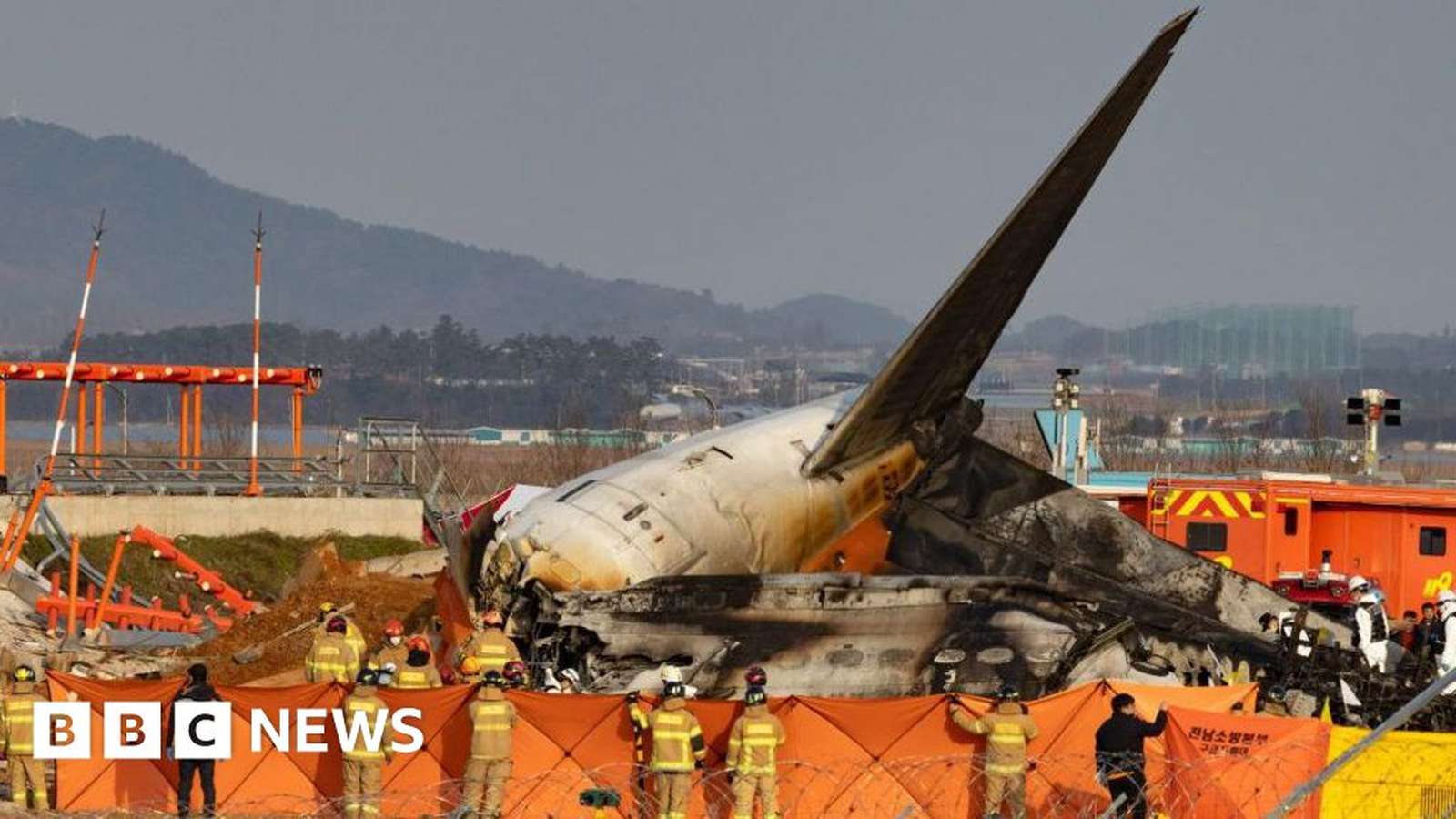
SEJONG (Azat TV) – South Korean law enforcement authorities have raided the headquarters of the Ministry of Land, Infrastructure and Transport, marking a significant escalation in the investigation into the catastrophic crash of Jeju Air Flight 2216. The operation, which took place on Friday, follows mounting public pressure and government criticism regarding the handling of the 2024 disaster, which claimed the lives of 179 people.
Negligence and the Search for Accountability
The investigation into the December 2024 incident has widened significantly. Police confirmed they have identified 64 suspects, including 45 individuals facing allegations of occupational and gross negligence. The raid sought to secure documents and evidence related to the oversight of Muan International Airport, where the Boeing 737-800 overshot the runway before colliding with a concrete navigation structure.
The intensity of the investigation intensified this week following the discovery of additional human remains and personal belongings belonging to victims. These items were reportedly found stored alongside sacks of rubble collected from the crash site, an oversight that has sparked national outrage and led President Lee Jae Myung to order a formal inquiry into the Ministry’s recovery procedures.
Infrastructure Failures and Safety Standards
A separate audit has revealed that the concrete mound struck by the aircraft was constructed as a cost-cutting measure. The structure, which housed an antenna system, was built elevated above the runway rather than flattening the sloping terrain as originally advised. Simulations suggest the collision with this specific, non-frangible structure turned a survivable emergency landing into a fatal explosion. Aviation authorities have since removed similar concrete structures from seven other airports across South Korea.
The Families’ Call for Justice
Victims’ families have expressed profound indignation at the Ministry’s recent apology, labeling it insufficient and disrespectful. The families had requested a re-examination of the site debris for months, only for the discovery of remains to occur long after the initial recovery phase was declared complete. The Ministry of Land, Infrastructure and Transport remains under intense scrutiny as the government prepares to release its final findings on the tragedy by the middle of this year.
The intensification of this investigation signals a systemic shift in how South Korean authorities are being held accountable for infrastructure safety, moving beyond pilot error to examine the direct culpability of state agencies in preventable aviation disasters.