
Quick Read
- Mars First Logistics launches 1.0 with new automation and missions.
- Stario: Haven Tower lets players build vertical cities with magical logistics.
- No Man’s Sky and Mass Effect 2 remain genre-defining space explorations.
- Kerbal Space Program uses physics-based gameplay for educational value.
- Discounts and early access make space simulation games more accessible.
The Rise of Space Simulation: Where Imagination Meets Engineering
For generations, gazing up at the night sky has fueled human curiosity. Now, with space simulation games, the age-old question—what’s out there?—is answered not by distant telescopes, but by the immersive worlds on our screens. These games don’t just show us the cosmos; they invite us to shape it.
From the intricate logistics of Mars rover construction in Mars First Logistics, to the fantastical city-building of Stario: Haven Tower, and the open-ended exploration found in classics like No Man’s Sky, the genre has grown into a sprawling universe of its own. Each title offers a distinct lens on the challenges and wonders of space, blending science, strategy, and storytelling into memorable journeys.
Building Machines and Empires: The Playful Science of Space
PC Gamer recently spotlighted Mars First Logistics, a game that’s as much about creativity as it is about engineering. Developed by Shape Shop, players are tasked with designing quirky, functional rovers to solve logistical puzzles on the Red Planet. With its recent 1.0 update, the game introduced ten new contracts—missions that test your ingenuity, challenging you to use the tools at hand in increasingly inventive ways.
What sets Mars First Logistics apart is its LEGO-like building system, which encourages experimentation. The new automation features add another layer: sensors and switches let your creations react to the world, from sounding a horn when bumping into obstacles, to toggling servos with a single press. These mechanics aren’t just technical; they mirror the real-world complexity of robotics, making every success (or hilarious failure) feel earned.
Not all new parts tie directly to automation—think gravity suppressors for lifting heavier loads, and gimbals to keep your rover balanced on treacherous Martian slopes. The game’s painterly aesthetic and gentle soundtrack evoke a sense of wonder, reminding players that discovery is a journey, not just a destination.
Meanwhile, city-building in space takes a vertical twist in Stario: Haven Tower, developed by Stargate Games. Here, players construct towering civilizations through six atmospheric layers, from barren ground to the edges of the cosmos. The game folds logistics into every decision: supplies must be moved between levels, whether by Towertizens (your loyal city-dwellers), balloons, pipelines, or even flying turtles. Yes—space turtles. The whimsical touches, like floating space whales and magical rituals to summon rain or wind, transform the familiar city-builder formula into something truly enchanting.
The alpha version of Stario already boasts 70 buildings, 50 recipes, and a completed tech tree. But don’t let the charming visuals fool you—disasters, resource management, and morale all play a role. Trading systems and planned sandbox modes promise even deeper strategic possibilities as the game evolves.
Exploration, Survival and Storytelling: The Many Faces of Space
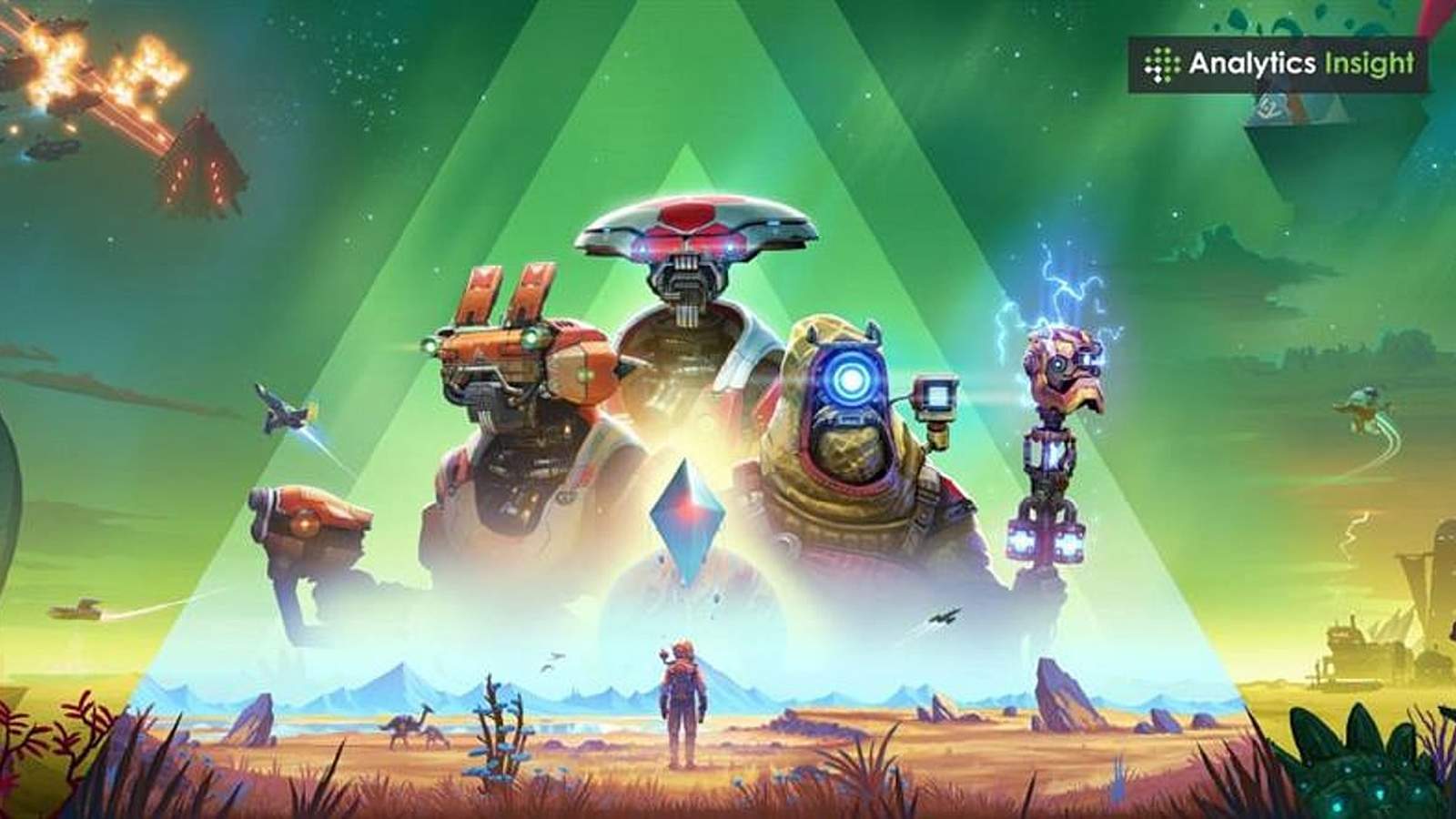
Space simulation games aren’t just about construction—they’re about venturing into the unknown, facing dangers, and making choices that ripple across galaxies. No Man’s Sky, for instance, lets players traverse endless, procedurally generated planets, each with its own secrets. Over years of updates, it has grown into one of the largest sandbox universes, letting you build homes, survive harsh environments, and team up with fellow explorers.
Mass Effect 2 remains the gold standard for story-driven space RPGs. Every decision affects your team and the fate of the cosmos, weaving together emotional stakes with the thrill of interstellar adventure. Games like Destiny 2 and Stellaris combine action, strategy, and empire-building, giving players the freedom to shape their own narratives—whether battling cosmic threats or negotiating peace between alien civilizations.
On the other end of the spectrum, titles like Dead Space (Remake) bring horror to the stars. Here, survival means navigating dark corridors, facing monstrous threats, and relying on limited resources. The tension is palpable, yet the atmospheric visuals and sound design draw players deeper into the narrative.
Why Space Simulation Matters: Education, Empathy, and Escapism
Space games do more than entertain—they educate. Kerbal Space Program, for example, turns orbital mechanics into a playground for learning. Players experiment with rocket designs, experience the triumphs and failures of space travel, and inadvertently absorb the basics of physics and engineering. These titles foster curiosity, persistence, and creativity, encouraging us to ask not just «what if?», but «how?»
In Mars First Logistics, the new automation system gives a taste of real-world programming logic, while Stario’s logistics challenges echo the supply chains astronauts and engineers must solve on future missions. Through play, we gain empathy for the complexity of exploration—and the people who make it possible.
And sometimes, it’s pure escapism. Whether you’re commanding a starship, colonizing a planet, or simply watching a space whale drift past your city, these games offer a break from earthly concerns—a chance to dream, to build, and to explore without limits.
The Future: Expanding Horizons and New Possibilities
The space simulation genre is only growing. Developers are pushing boundaries with new mechanics, richer worlds, and more inclusive stories. Shape Shop’s multi-language support for Mars First Logistics opens the experience to a global audience, while Stargate Games’ roadmap for Stario hints at ever more creative ways to play.
With discounts and early access periods, these titles are more accessible than ever. Whether you’re a seasoned strategist, a curious builder, or a newcomer to the genre, there’s a space simulation game ready to ignite your imagination.
As Analytics Insight notes, the best space games combine discovery, variety, and a world that feels truly alive. You don’t need to be a scientist or a sci-fi buff—just willing to explore.
In the ever-expanding universe of space simulation games, the lines between education, creativity, and entertainment continue to blur. Each new title is a launchpad for curiosity, offering not just a glimpse of the unknown, but a toolkit for shaping it. As the boundaries of play stretch toward the stars, one thing is clear: space is not just the final frontier—it’s the next great playground for the human mind.