


SpaceX’s Relentless Pace: Setting New Records in 2025
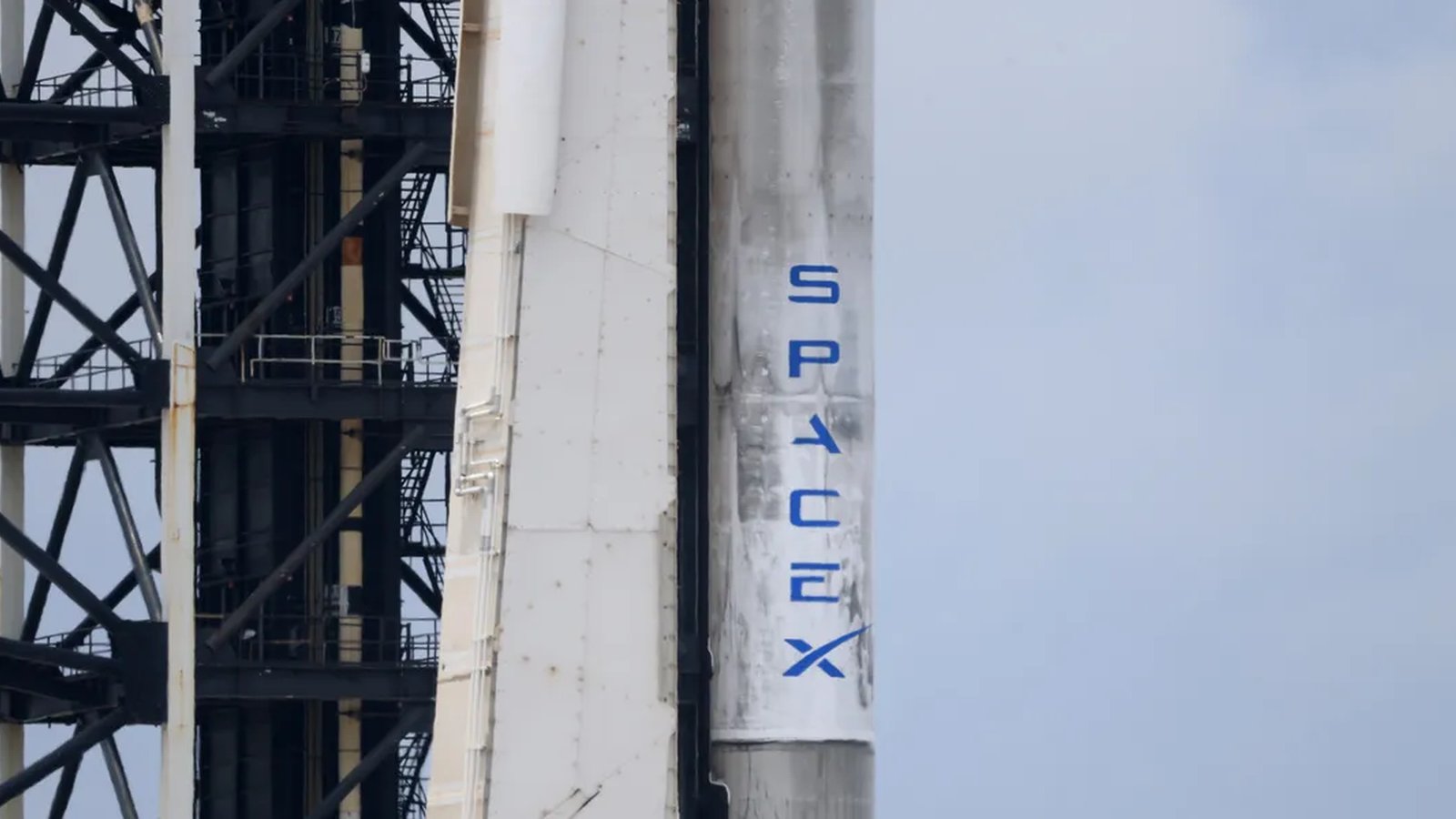
SpaceX, the company that has made reusable rockets and mass satellite deployment an industry norm, is soaring to new heights in 2025. The past year has seen a relentless cadence of launches, with Falcon 9 rockets routinely piercing the skies from Florida and California, pushing the boundaries of what was once considered possible for commercial spaceflight. With a record 150 Falcon 9 launches this year alone, including 93 missions from Florida’s Space Coast, SpaceX is not just maintaining its lead—it’s accelerating it.
The latest milestone came with the Transporter-15 rideshare mission, which saw a veteran Falcon 9 first stage booster, tail number B1071, make its 30th flight from Vandenberg Space Force Base. This mission, carrying 140 spacecraft, highlighted SpaceX’s commitment to efficient, cost-effective access to orbit for a diverse array of customers. In just a few years, the company’s rideshare program has evolved into a linchpin for small satellite operators, democratizing space access at a scale never before seen.
Rideshare Revolution: 140 Payloads, Countless Opportunities
The Transporter-15 launch is emblematic of SpaceX’s growing influence. Providers like Seops Space and Exolaunch, leveraging Falcon 9’s flexibility, were able to integrate dozens of satellites—from tiny CubeSats to experimental payloads—into a single mission. Notable deployments included four Alba Orbital satellites, NASA-backed CubeSats, and Taiwan Space Agency’s Formosat-8, the first in an ambitious constellation aimed at remote sensing.
As Chad Brinkley, CEO of Seops Space, put it, “Every mission is different, and our strength lies in tailoring integration approaches for payloads that don’t fit a one-size-fits-all model.” The rideshare program is a clear testament to SpaceX’s ability to create new lanes for innovation, where even small organizations can hitch a ride to orbit alongside national agencies and commercial giants.
It’s not just the sheer number of satellites that stands out. The logistical ballet behind these launches—multiple deployment mechanisms, staggered release sequences, and custom integration—demonstrates a level of operational maturity that has set the bar for the entire industry.
Starlink and ISS: Expanding Global Connectivity and Supporting Human Spaceflight
In parallel to the rideshare program, SpaceX continues to expand its Starlink megaconstellation. With 67 Starlink missions from Florida in 2025, deploying 1,724 satellites, the company is bringing high-speed internet to remote corners of the globe and reinforcing its status as a pillar of the new space economy. The pace is dizzying: launches are scheduled back-to-back, with little downtime even for holidays. The most recent Starlink mission, the 101st from Florida’s Space Coast this year, took place on November 22, underscoring SpaceX’s operational discipline.
SpaceX’s role in crewed spaceflight remains just as vital. Crew Dragon missions continue to ferry astronauts to the International Space Station (ISS), supporting NASA’s objectives and ensuring a steady rotation of personnel. The last such mission, Crew-11, docked at the ISS on August 2, 2025. While Russia’s Soyuz launches remain a critical link, SpaceX’s reliability is increasingly central to the ISS’s daily operations.
Reusability and Sonic Booms: The New Normal for Space Launches
The 30th flight of booster B1071 on Transporter-15 is more than a technical achievement—it’s a cultural shift. Reusability is no longer a novelty; it’s the backbone of SpaceX’s business. The Falcon 9’s first stage, after separating from the upper stage, made a pinpoint landing on the droneship ‘Of Course I Still Love You’ in the Pacific Ocean. This marked the vessel’s 165th successful catch, and the company’s 540th booster landing overall. For residents of California’s Central Coast, these launches are accompanied by a new phenomenon: the sonic boom. Far from being a rare event, it’s become a familiar sound, a reminder that spaceflight is no longer distant—it’s local.
Officials have cautioned that depending on weather and trajectory, the booms may be heard across Santa Barbara, San Luis Obispo, and Ventura counties. The excitement is palpable, as neighbors gather to watch the spectacle or tune in to SpaceX’s live webcasts.
The Competitive Landscape: Blue Origin Rises, But SpaceX Sets the Pace
While SpaceX continues to blaze trails, rivals are working hard to keep up. Blue Origin recently announced its Super-Heavy New Glenn 9×4, designed to deliver 70 metric tons to low-Earth orbit and challenge SpaceX’s Starship. With upgraded BE-4 and BE-3U engines, enhanced reusability, and a host of new features, New Glenn 9×4 is positioned as a direct competitor. But the numbers tell the story: SpaceX’s Starship, in its fully reusable configuration, aims for 100-150 metric tons to orbit, with a theoretical maximum of 250 metric tons in expendable mode. Falcon Heavy, the largest SpaceX rocket currently available to consumers, can deliver up to 64 metric tons to LEO.
Blue Origin’s ambitions are noteworthy, and the competitive pressure is a boon for customers. But at this moment in 2025, SpaceX’s operational cadence, proven reusability, and rideshare innovations keep it at the front of the pack.
Looking Ahead: Unmatched Frequency and Flexibility
SpaceX’s launch schedule shows no signs of slowing. Upcoming flights from Florida will deliver 29 Starlink satellites each, with a busy December lineup including national security missions for the Space Force and the National Reconnaissance Office. The company’s ability to offer rapid, reliable access to space is reshaping the industry, inspiring new constellations and enabling missions that were once beyond reach.
As the world watches, one thing is clear: the future of space access is being built on the launch pads of SpaceX. The company’s blend of scale, speed, and technical prowess is setting a pace that others must scramble to match.
SpaceX’s achievements in 2025 reflect a new era in spaceflight—one defined by reusability, operational tempo, and democratized access. While competitors like Blue Origin are making strides, SpaceX’s unmatched launch frequency and diverse rideshare missions ensure its continued leadership. The industry’s transformation is no longer just about bigger rockets; it’s about making space a routine part of our world.