
Quick Read
- Ground handling staff at 12 major Spanish airports have launched indefinite strikes on Mondays, Wednesdays, and Fridays.
- The industrial action is causing significant baggage delays, with multiple flights departing without passenger luggage.
- Unions are demanding wage increases, citing stagnant pay since 2022 despite rising inflation across the region.
Travelers heading to Spain this Easter face significant operational challenges as indefinite strike action by ground handling staff continues to disrupt major tourist hubs. The industrial action, organized by unions representing Groundforce employees, targets 12 of the country’s busiest airports, including Madrid-Barajas, Barcelona El Prat, and Palma de Mallorca, as well as critical gateways in the Canary Islands and Malaga.
Impact of Industrial Action on Spanish Airports
The strikes are centered on a long-standing pay dispute, with unions asserting that ground staff have not received salary increases since 2022 despite the pressures of inflation. The walkouts occur on a recurring schedule every Monday, Wednesday, and Friday, specifically during three windows: 5 a.m. to 7 a.m., 11 a.m. to 5 p.m., and 10 p.m. to midnight. Airport operator Aena has officially acknowledged the disruption, advising passengers to verify their flight status directly with their airlines before traveling.
Operational Consequences for Passengers
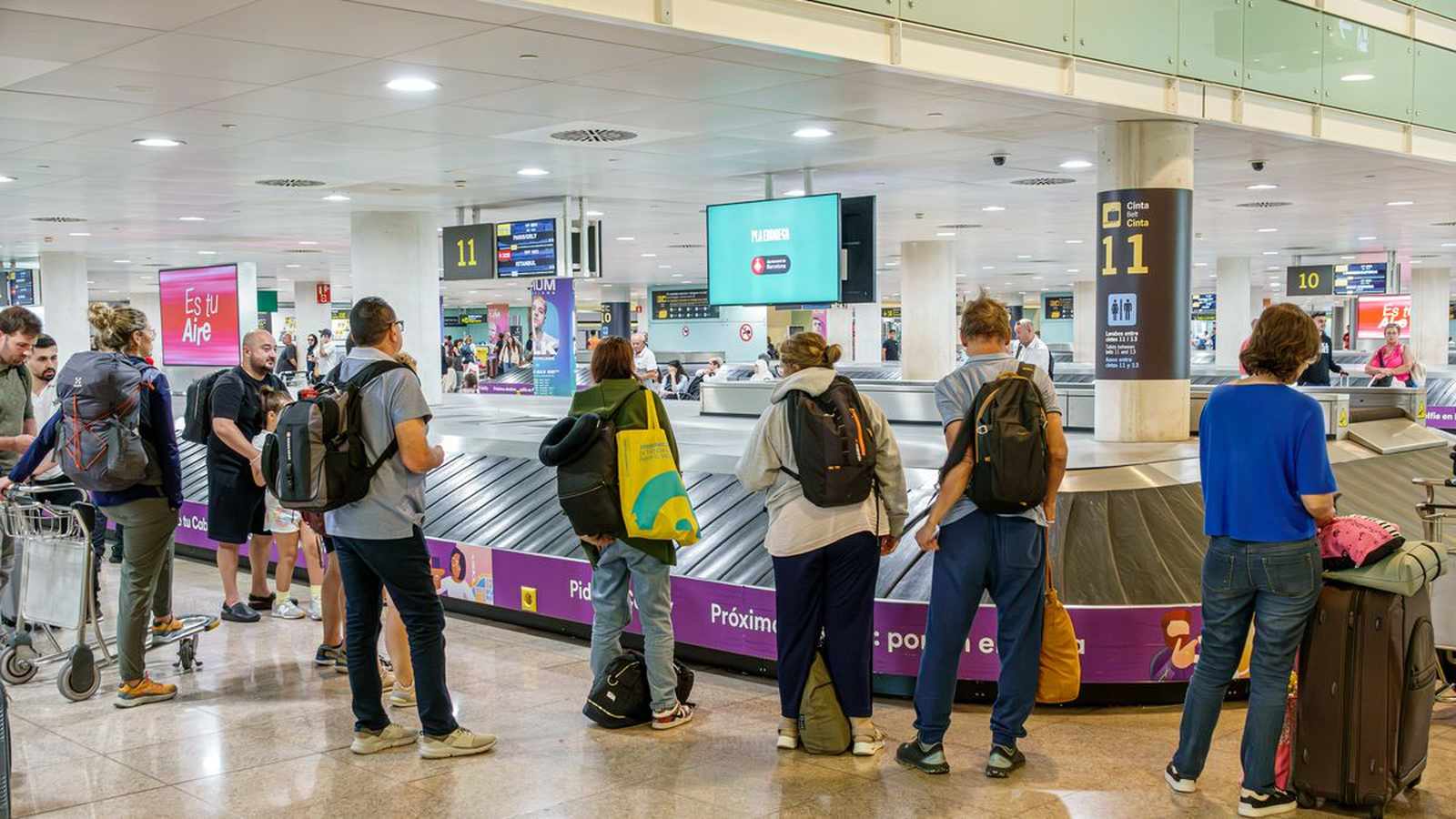
The consequences of the stoppages have already materialized in significant logistical failures. According to the CCOO union, more than 40 flights departed without passenger luggage during the initial days of the strike. In efforts to maintain tight flight schedules, some suitcases have reportedly been processed without full security scanning procedures, while thousands of other bags have been left behind or delayed. The UGT union further reported that flights are experiencing average delays of approximately one hour, with aircraft left waiting on the apron as essential ground services become overwhelmed.
Broader Context of European Travel Challenges
The situation in Spain compounds a broader period of travel volatility across Europe. Beyond the Spanish strikes, travelers are navigating the implementation of the new EU entry-exit system (EES), which industry leaders warn is causing structural bottlenecks at border controls. Olivier Jankovec, representing airports, and Ourania Georgoutsakou, representing airlines, have issued a joint statement highlighting that waiting times at Schengen border crossings are reaching up to two hours during peak periods. While the European Commission maintains that the system is functioning as intended, the aviation industry continues to lobby for the flexibility to suspend biometric registration processes to prevent further systemic collapse during the busy 2026 summer season.
While the strikes are currently limited to specific days of the week, the lack of a resolution to the wage dispute suggests that the potential for further, perhaps weekend-based, escalation remains a significant risk for European travel stability in the coming months.