
Quick Read
- Holy Week 2026 began in Spain on March 29 with widespread Palm Sunday processions.
- Actor Antonio Banderas participated in his local Malaga brotherhood procession, a role he has held for over 20 years.
- The events are central to preserving Spanish religious and cultural identity, drawing massive crowds of both locals and visitors.
MALAGA (Azat TV) – Spain officially entered Holy Week on March 29, 2026, as Palm Sunday processions swept through cities and towns, marking the start of a period defined by intense religious devotion and the preservation of long-standing cultural identity. The observances, which draw hundreds of thousands of residents and tourists annually, serve as a cornerstone of Spanish social life, connecting modern life to historical faith.
Celebrity Participation and Cultural Heritage
In Malaga, the festivities were underscored by the presence of actor Antonio Banderas, who participated in his home city’s traditional procession. Banderas, 65, who has maintained his involvement with the ‘Tears and Favors’ brotherhood for over two decades, donned a traditional penitent’s robe. Following the singing of a hymn at the church of Saint John, he provided the official order to mobilize the float carrying the Virgin, a role that highlights the intersection of international celebrity and local religious dedication.
Reflecting on the importance of these events, Banderas noted that he consistently sees the traditions of his homeland as a vital reflection of identity. For many participants, these processions are not merely ceremonial but are deeply personal expressions of faith and heritage that persist regardless of shifts in the modern world.
Processions Across the Spanish Landscape
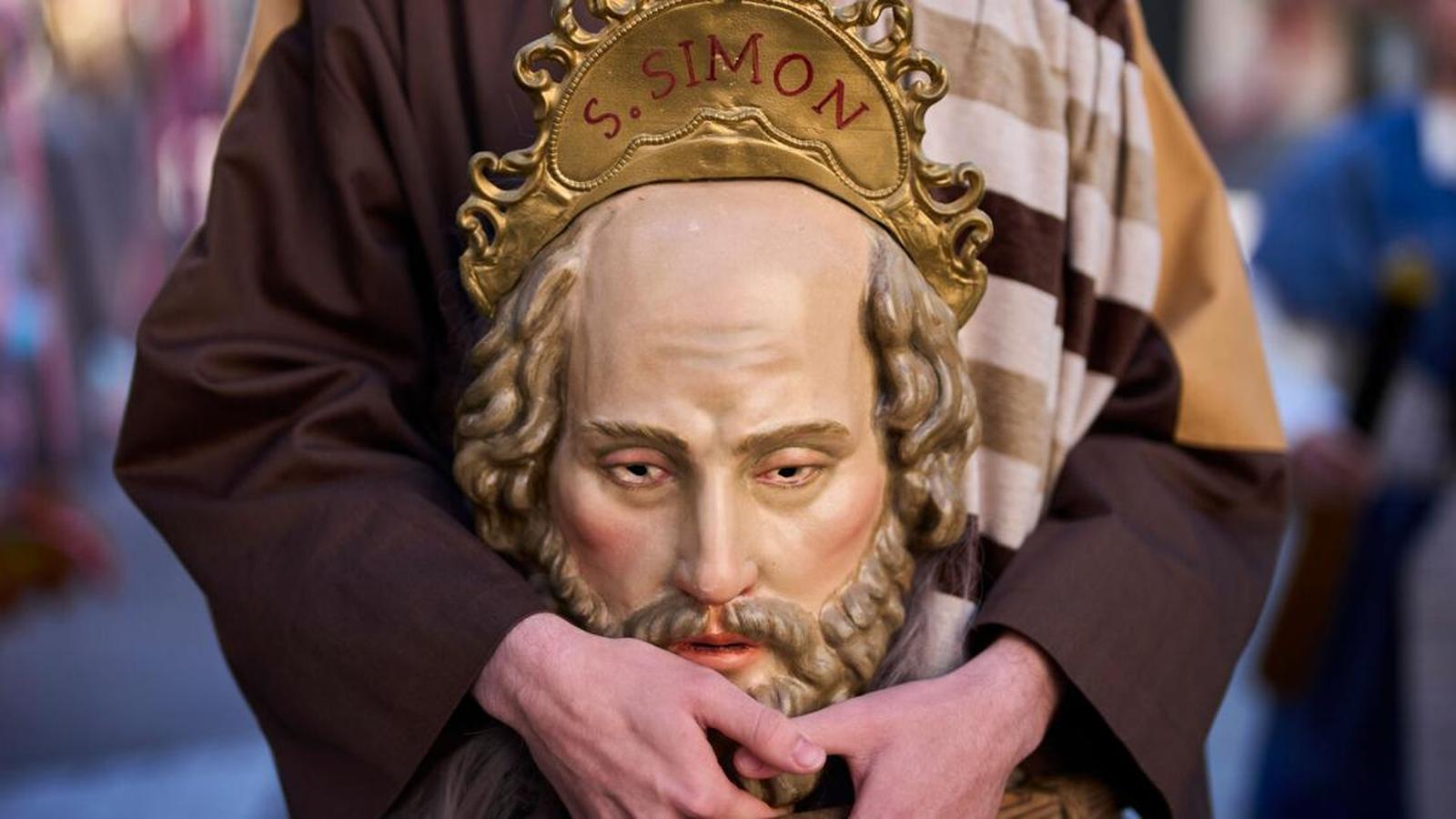
While major urban centers like Seville and Malaga garner significant attention for their elaborate floats and massive crowds, the observance of Holy Week extends into the smaller municipalities of Spain. In the mountain town of Cabra, near Cordoba, the ‘Pollinita’ brotherhood highlighted the diversity of these commemorations. Participants in Cabra marked the day by carrying palm branches and portraying the apostles, utilizing masks to recreate the biblical narrative of Jesus’ entrance into Jerusalem.
Throughout the coming week, these brotherhoods will continue to parade through narrow, historic streets, accompanying venerated images of Jesus and the Virgin Mary. The atmosphere is characterized by a mix of solemn silence, the singing of traditional hymns, and the scattering of flowers, creating a sensory experience that defines the national observance of the week leading up to Easter Sunday.
The Significance of Commemorative Observance
The transition from Palm Sunday to the somber reflections of Good Friday remains a central focus for Christian communities. Religious leaders and participants alike emphasize that the week is intended to draw observers into the significance of the narrative, moving beyond routine daily responsibilities to engage with the core tenets of their faith. The endurance of these rituals underscores a commitment to maintaining a collective cultural identity in an increasingly globalized environment.
The continued high-profile participation of figures like Banderas reinforces the resilience of traditional Spanish religious customs, suggesting that these rituals act as a unifying anchor for national identity even as they adapt to the pressures of modern tourism and secularization.