
Quick Read
- Speaker Mike Johnson warns the shutdown could be the longest in U.S. history.
- The standoff centers on expiring Obamacare subsidies; House remains out of session.
- Internal Republican criticism grows over Johnson’s refusal to recall lawmakers.
- Thousands of federal workers face layoffs; military pay protected via special funds.
- Democrats demand immediate subsidy extension before reopening government.
Speaker Johnson Stands Firm as Shutdown Drags On
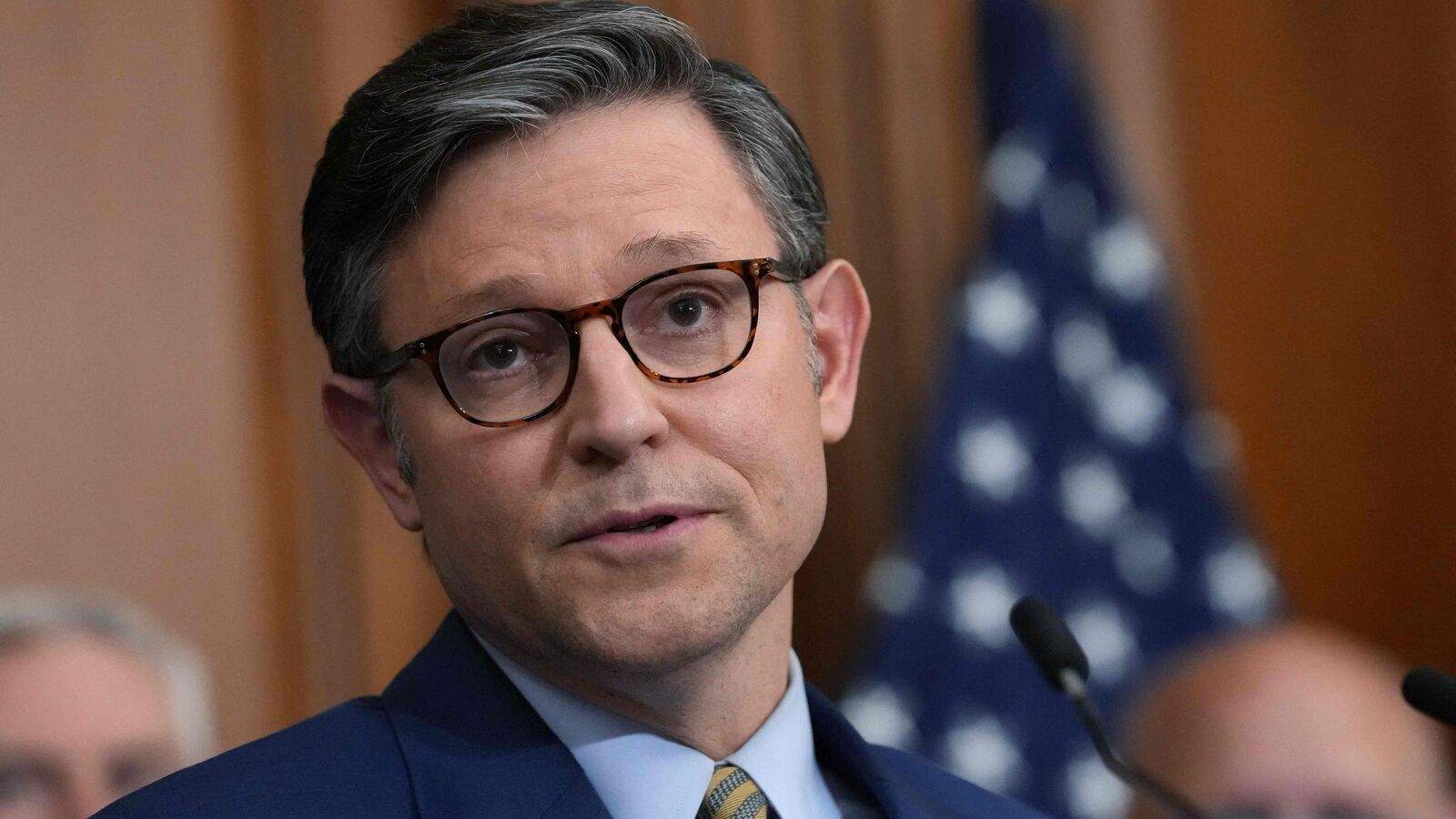
On the thirteenth day of the federal government shutdown, Speaker of the House Mike Johnson, a Louisiana Republican, stood on the steps of the Capitol and delivered a sobering message: the shutdown could become the longest in American history. Johnson, flanked by a handful of aides but notably without a crowd of lawmakers, made it clear that he would not negotiate with Democrats until they backed down from their demands to extend health care subsidies. “We’re barreling toward one of the longest shutdowns in American history,” he said, echoing the gravity of the moment (Associated Press).
The standoff comes at a precarious time for the nation, affecting everything from the routine functioning of federal agencies to the daily lives of millions. Smithsonian museums are shuttered, airports face service disruptions, and thousands of government workers are furloughed or facing uncertainty about their paychecks. The closure’s ripple effects are increasingly felt across the country, deepening anxieties in an already fragile economy.
Behind Closed Doors: The Health Care Showdown
At the heart of the dispute is a familiar battleground: the Affordable Care Act (ACA), known as Obamacare. The current impasse centers on expiring federal subsidies that help millions of Americans afford insurance plans on the ACA marketplace. Democrats are demanding a renewal of these subsidies, warning that their expiration would drive up premiums for families nationwide. Republicans, led by Johnson, argue the issue can be resolved later, insisting that the government must first reopen before any substantive talks occur.
Johnson’s position is not without precedent. In 2013, Republicans attempted to use a government shutdown to force the repeal of the ACA, resulting in a 16-day closure. More recently, the longest shutdown—lasting 35 days—occurred in 2018-2019 over funding for the U.S.-Mexico border wall. Now, as the shutdown stretches on, history seems to be repeating itself, with entrenched partisan positions and little sign of compromise.
Millions of Americans are caught in the crossfire. The Kaiser Family Foundation estimates that if Congress fails to renew subsidy payments by December 31, premiums could double for those relying on the ACA exchanges. Open enrollment for 2026 plans begins November 1, meaning the pressure on lawmakers to act is mounting. For many families, the stakes are immediate and personal: will they be able to afford coverage, or be forced to make painful choices about their health?
House Inaction and Internal Republican Criticism
While the Senate prepares to return to work, the House remains largely absent from Washington. Since passing a short-term funding bill in mid-September, Johnson and the Republican leadership have kept their members away, insisting that the ball is in the Senate Democrats’ court. This strategy has drawn criticism from both sides of the aisle—including a growing chorus within Johnson’s own party. GOP representatives ranging from conservative firebrands to more moderate voices have questioned the wisdom of keeping the House out of session, warning that it undermines the party’s negotiating position and the institution’s credibility (MSNBC).
Data underscores their concerns: since July 3, the House has only been in session for 20 out of more than 100 days, a record low since World War II. Critics argue that, by refusing to recall lawmakers, Johnson is not only stalling potential compromise on health care but also preventing other urgent business—including the swearing-in of new members and votes on transparency measures. The case of Rep.-elect Adelita Grijalva of Arizona, whose delayed swearing-in has hindered efforts to force votes on high-profile issues, has become a flashpoint in the debate.
Observers note that the House’s absence has handed Democrats an advantage in the messaging war. By framing the shutdown as a Republican refusal to address health care needs, Democrats are appealing to voters concerned about rising costs and government inaction. Johnson, for his part, maintains that Democrats must “hit pause” on their demands before talks can resume. Yet, as days pass and the effects of the shutdown intensify, the pressure on House leadership to act grows ever stronger.
Wider Impacts: Layoffs, Lawsuits, and Uncertainty
Beyond the political drama, the shutdown has real-world consequences. The Trump administration has used the closure to initiate mass layoffs of federal workers—a move widely seen as an attempt to shrink the size of government. Vice President JD Vance has described the cuts as “painful,” while unions have filed lawsuits to challenge the firings. Meanwhile, the administration has exercised discretion over who continues to be paid, ensuring that military personnel receive paychecks while other critical agencies, like the Department of Education, face funding gaps that disrupt services such as special education and after-school programs (Post-Journal).
Agencies are scrambling to find alternative funding sources. The Pentagon, for example, has tapped $8 billion in unused research and development funds to cover military payrolls. The Congressional Budget Office notes that some agencies can rely on mandatory funding provided in recent reconciliation acts, but these stopgaps are far from a comprehensive solution. Thousands of government workers—particularly those on monthly pay schedules—are bracing for missed paydays, adding to the economic and emotional toll.
The shutdown is also affecting public trust in government. Calls for transparency and accountability are growing louder, with citizens and analysts alike demanding that leaders put aside political gamesmanship in favor of practical solutions. The longer the impasse drags on, the greater the risk that faith in the system will erode.
Can a Path Forward Be Found?
Both parties remain dug in, with little appetite for compromise. Johnson insists that Republicans are willing to discuss health care “this fall”—but only after the government reopens. Democrats counter that there can be no progress without an immediate extension of ACA subsidies. The result is a high-stakes game of political chicken, with millions of Americans’ livelihoods and health care hanging in the balance.
Analysts point to the lessons of past shutdowns: entrenched positions and a lack of genuine negotiation often prolong the crisis, testing the resilience of both parties and the patience of the public. As deadlines loom for health care enrollment and federal workers’ pay, the need for a resolution becomes ever more urgent. Whether leaders can find a way out—or whether the shutdown will indeed set a new record—remains to be seen.
Assessment: Speaker Johnson’s strategy of keeping the House out of session and refusing to negotiate may buy time for his caucus, but it risks deepening internal divisions, ceding the narrative to Democrats, and intensifying harm to ordinary Americans. The facts suggest that a rigid posture, absent real engagement, is unlikely to yield a swift or sustainable resolution to this historic standoff.