
Quick Read
- Spinal Tap II: The End Continues was released in September 2025, reuniting the cult band for a forced final show.
- Rob Reiner, director and co-creator, was found dead with his wife Michele in their Brentwood home on December 14, 2025; police launched a homicide investigation.
- The film features improvised scenes, real-life inspired plot points, and cameos from Paul McCartney, Elton John, and Garth Brooks.
- Spinal Tap II blends satire and emotional depth, reflecting on aging, friendship, and the enduring legacy of the original mockumentary.
- Reiner’s sudden death has cast a shadow over the film’s release, prompting tributes from the entertainment and political worlds.
Spinal Tap II: A Reunion Forged by Fate
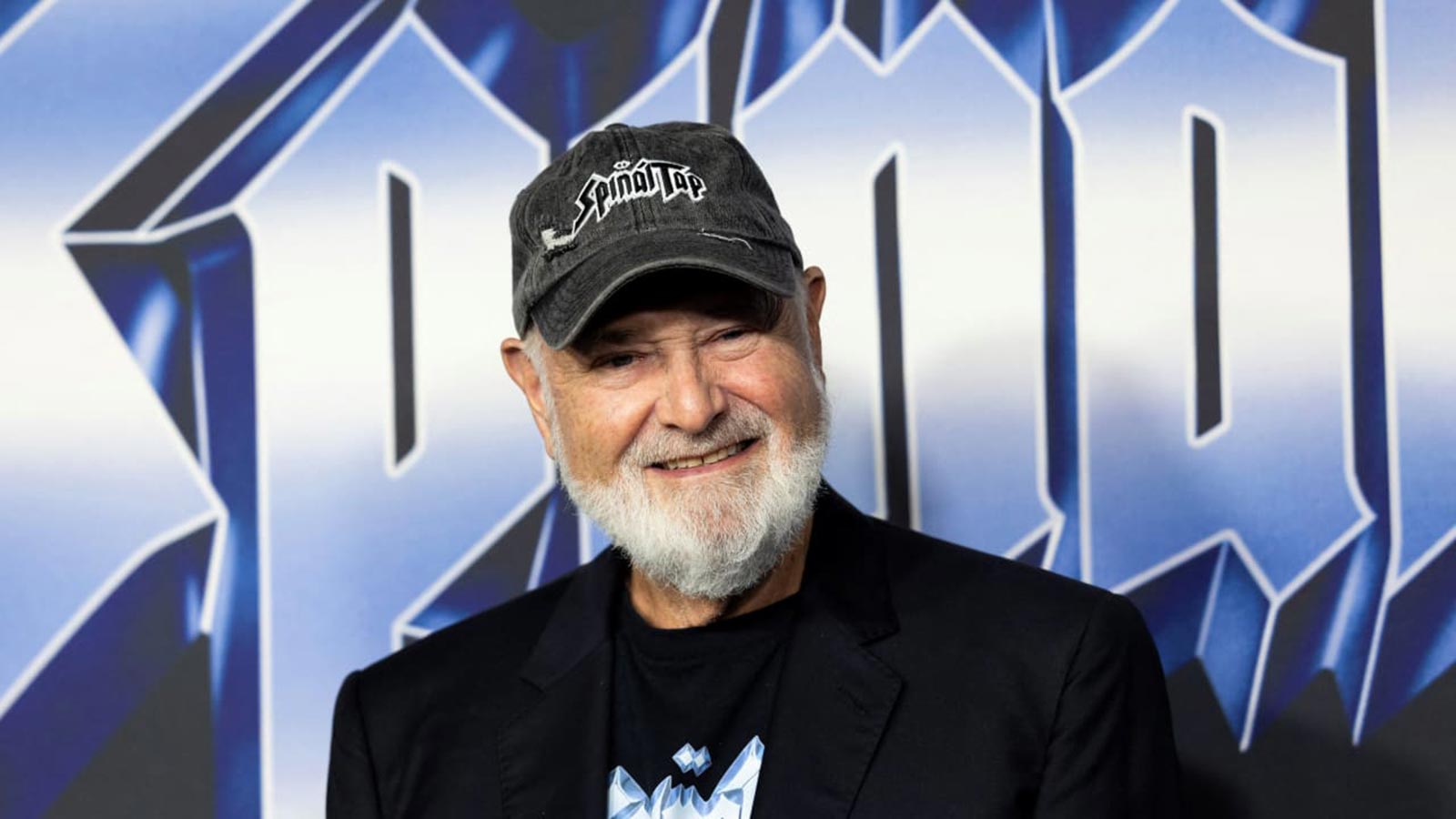
When Rob Reiner sat for an interview in September 2025, sporting his signature Spinal Tap cap and t-shirt, there was a sense that he was about to deliver something more than just a sequel. Spinal Tap II: The End Continues wasn’t simply the return of a cult classic—it was a story about coming home, about old wounds, and about the enduring power of music and friendship. The timing, coinciding with a year marked by reconciliations like Oasis’s Gallagher brothers, felt almost poetic, though Reiner himself would joke about “life imitating art imitating life.” (Billboard)
In the new film, bandmates Nigel Tufnel (Christopher Guest) and David St. Hubbins (Michael McKean) are revealed to have been estranged for 15 years, echoing real-life tensions and reunions in rock history. The fictional British heavy metal group, whose original mockumentary journeyed through the absurdities of fading stardom, now faces a forced reunion—contractually obligated to play one last show after their manager’s death. Bassist Derek Smalls (Harry Shearer) returns as well, and the emotional core of the film is the complex, decades-old relationship between these characters.
Reiner, reprising his role as documentarian Marty DiBergi, insisted that the sequel would not be a mere retread. “Satire and emotion don’t like to be with each other,” he noted, but Spinal Tap II sought to blend both—delivering laughs, nostalgia, and genuine heart. The story’s emotional ballast is heavier: the bandmates are older, the stakes are higher, and the history between them is more layered and poignant.
From Cult Classic to Cultural Touchstone
The original This Is Spinal Tap wasn’t a box office triumph—it grossed less than $6 million—but its reputation swelled with time, becoming a cult favorite among musicians and comedians. Its satirical edge once ruffled feathers among rock icons like Steven Tyler and Ozzy Osbourne, who felt the film cut too close to reality. Yet the mockumentary drew directly from real rock anecdotes—bands getting lost backstage, eccentric contract demands, and, of course, the infamous “no brown M&Ms.”
For years, the idea of a sequel was rebuffed by the cast. “We always felt like we did it, you know,” Reiner explained. But a 2016 lawsuit over “Hollywood accounting” and rights to the original film changed everything. After reclaiming the rights in 2020, Reiner, Guest, McKean, and Shearer met in Santa Monica to seriously consider a sequel—acknowledging the high bar set by the original.
By then, Spinal Tap had become more than a movie: it was in the Library of Congress’ National Film Registry, and Nigel Tufnel’s “These go to 11” had entered the Oxford English Dictionary. At the real Stonehenge, a quote from the band’s song appears alongside those of philosophers and poets. The fictional had invaded the factual—an enduring testament to the film’s impact.
Spinal Tap II: Viral Fame, Real Emotion, and Rock Royalty
The plot of Spinal Tap II was shaped by the real-life phenomenon of Kate Bush’s “Running Up That Hill” going viral decades after its release. In the film, a superstar (Garth Brooks, joined by Trisha Yearwood) sings a Tap classic at soundcheck, the video goes viral, and the band is thrust back into the spotlight. The sequel, like the original, relies on improvisation and brainstorming—the “Grimsby Method”—to develop its scenes, ensuring the comedic spontaneity that made the first film so beloved.
Spinal Tap’s notorious drummer misfortune continues, culminating in the recruitment of Valerie Franco—a real-life professional drummer who had never acted before but fit right in with the improvisational spirit. Cameos from Paul McCartney and Elton John add gravitas and authenticity, with scenes inspired by real interactions between Reiner, the band, and the music legends. The film’s soundtrack, The End Continues, features nine new songs and remakes with rock royalty, released alongside the film.
Reiner left the door open for future sequels, especially as the film ends on a cliffhanger. But his goal was clear: to bring audiences together for a shared experience, to evoke nostalgia, and to offer laughter and emotion in challenging times.
Rob Reiner: Legacy and Tragedy
Yet just as Spinal Tap II began to reach audiences, tragedy struck. On December 14, Rob Reiner and his wife, Michele Singer Reiner, were found dead in their Brentwood home—victims of an apparent homicide. The shock rippled through Hollywood and beyond. Tributes poured in from figures like Barack Obama, Governor Gavin Newsom, Monty Python’s Eric Idle, and countless actors and directors who cited Reiner’s empathy, advocacy, and creative genius. (BBC, LA Times, NY Post)
The LAPD launched a homicide investigation. Initial reports indicated stab wounds and noted the absence of forced entry. The couple’s adult son, Nick Reiner, was named as a person of interest by some outlets, though no arrests were made and police withheld further details pending investigation. The neighborhood was cordoned off, and the city’s mayor, Karen Bass, described the loss as “devastating.”
Rob Reiner’s career spanned five decades, from his breakout role as “Meathead” on All in the Family to directing acclaimed films like Stand By Me, The Princess Bride, When Harry Met Sally, and A Few Good Men. His advocacy for children’s rights, LGBTQ+ equality, and early childhood development left a mark on public policy as well as popular culture.
Michele Singer Reiner was a producer, photographer, and activist in her own right. Together, the couple contributed to numerous charitable causes and inspired many with their dedication to social justice and the arts.
Their deaths have cast a shadow over the release of Spinal Tap II, transforming what should have been a triumphant return into a bittersweet memorial for one of Hollywood’s most influential creative voices.
Spinal Tap II stands as both a celebration and a farewell—a film that, in blending satire and soul, mirrors the complexity of Rob Reiner’s own legacy. It is a reminder that laughter and empathy can be twin pillars of cultural influence, and that even as the curtain falls, the echoes of a life well-lived continue to reverberate in the stories we share.