
Quick Read
- King Charles delivered a pre-recorded message for Stand Up To Cancer 2025, sharing that his cancer treatment will be reduced in the new year.
- He credited early diagnosis and medical advances for his progress and urged millions to get screened, noting that 9 million people in the UK are overdue for cancer checks.
- The exact type of cancer remains undisclosed, but the King has maintained a busy schedule alongside his treatment.
- Stand Up To Cancer 2025 featured celebrity appearances, real patient stories, and raised significant funds for cancer research.
King Charles Headlines Stand Up To Cancer 2025 With Personal Health Update
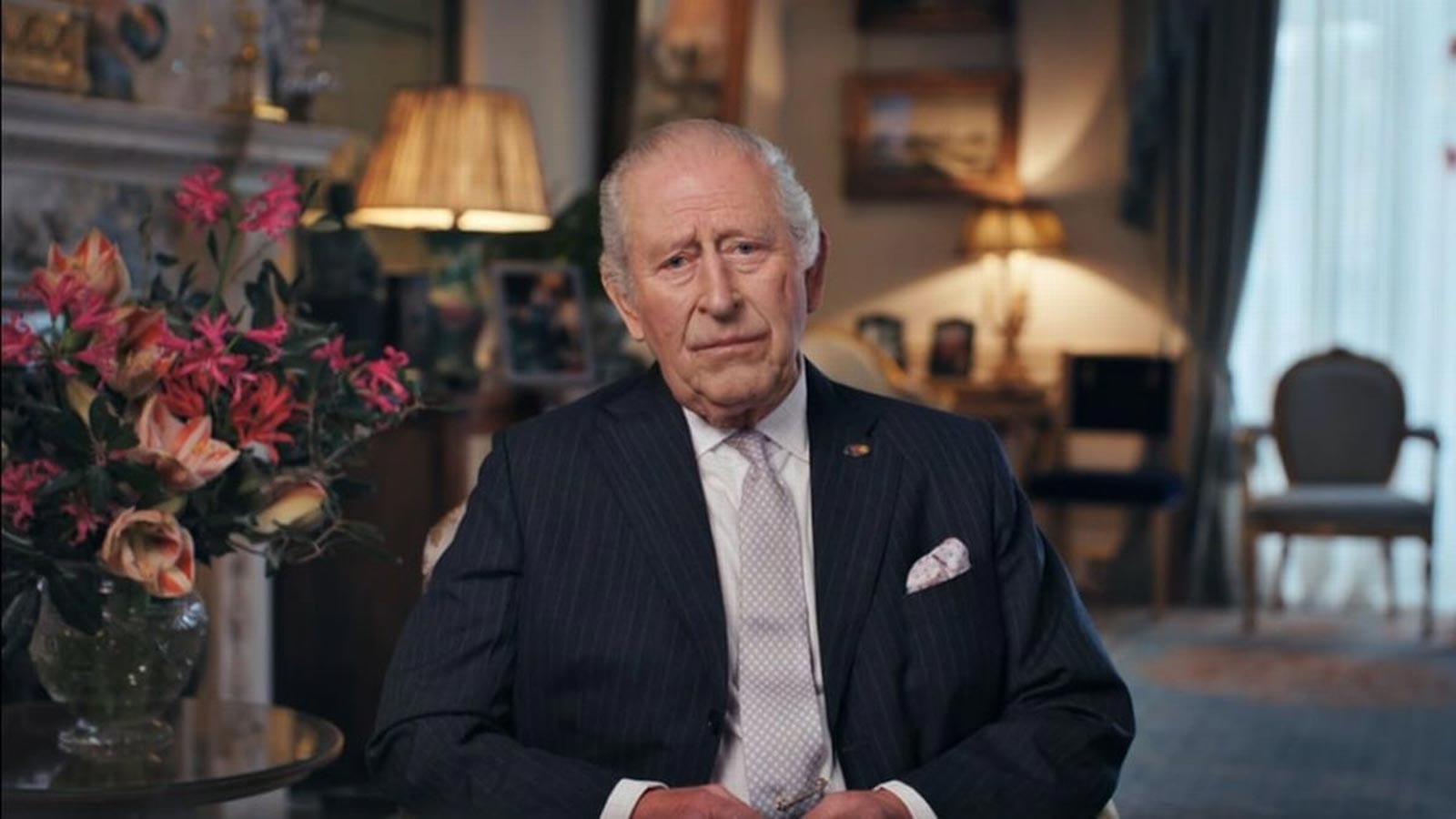
On December 12, 2025, millions of viewers across the UK tuned in to Channel 4 for one of television’s most anticipated annual charity broadcasts: Stand Up To Cancer. But this year, the evening took on an even deeper resonance. For the first time since his cancer diagnosis in early 2024, King Charles III delivered a rare, personal update about his treatment and the lessons he’s drawn from his journey. His message, recorded at Clarence House and aired during the star-studded event, set a hopeful yet urgent tone for the night.
From Diagnosis to Advocacy: The King’s Journey
King Charles’ public battle with cancer began almost two years ago. In January 2024, what started as a routine procedure for a benign enlarged prostate led doctors to discover a separate, more serious issue. By early February, Buckingham Palace confirmed that the King was facing an unspecified form of cancer. The specifics of his diagnosis have never been disclosed, but the palace clarified it was not prostate cancer. Charles, ever the public figure, balanced transparency with privacy, choosing to keep the details of his illness confidential while using his platform to raise awareness for all cancer patients.
Throughout 2024 and into 2025, Charles underwent regular outpatient treatments. His schedule was adjusted, his public appearances limited, yet he remained a visible and determined figure. By April 2024, his recovery had progressed enough for him to resume royal duties, including a visit to a major cancer hospital in London, where he was announced as Patron of Cancer Research UK (Today, People).
A Landmark Message: Hope, Early Detection, and a Call to Action
“Today I am able to share with you the good news that thanks to early diagnosis, effective intervention and adherence to doctors’ orders, my own schedule of cancer treatment can be reduced in the New Year,” King Charles announced in his televised address. His words were measured, but the relief and gratitude were evident. He described this milestone as “both a personal blessing and a testimony to the remarkable advances that have been made in cancer care in recent years.”
The King’s message was more than a personal update; it was a rallying cry. He emphasized the life-saving potential of early cancer screenings, noting that nine million people in the UK are not up to date with their recommended checks. “Early diagnosis quite simply saves lives,” he stressed. For bowel cancer, he pointed out, nine in ten people survive at least five years if the disease is caught at its earliest stage—a figure that drops dramatically with late detection (People, ExtraTV).
To help close this gap, Charles highlighted a new national Screening Checker tool designed to guide people through eligibility for vital screenings. He urged viewers to make cancer screening part of their New Year’s resolutions: “Your life — or the life of someone you love — may depend upon it.”
The Night That United a Nation
Stand Up To Cancer 2025 was more than just a broadcast; it was a community event. The evening kicked off at 7:30pm, with hosts Adam Hills, Clare Balding, Vicky Pattison, and Hannah Fry introducing a packed schedule. At 8:00pm, King Charles’ message set the tone, followed by live reports from cancer clinics, celebrity stories, and heart-rending real-life accounts from those affected by the disease (Cosmopolitan).
Special segments included a Celebrity Gogglebox, a live Cancer Clinic with Davina McCall, and The Last Leg of Stand Up To Cancer, blending humor and humanity to keep audiences engaged until well past midnight. Over the years, the campaign has raised more than £113 million for cancer research and treatment. The 2025 edition continued that tradition, blending entertainment with a serious call to action.
A New Chapter: Scaling Back, Moving Forward
Perhaps the most significant revelation from the King’s message was his announcement that his treatment would be reduced in the coming year. While Buckingham Palace avoided the word “remission,” a spokesperson confirmed that Charles’ recovery had reached a “notably positive stage.” Weekly treatments would become less frequent, transitioning into a precautionary phase. The specifics remain private, but palace officials stressed that this progress was made possible by early detection and adherence to medical advice (People, ExtraTV).
Charles acknowledged the psychological toll of a cancer diagnosis. “I know from my own experience that a cancer diagnosis can feel overwhelming,” he said. But he also spoke to the power of support—from specialists, nurses, volunteers, and loved ones—that forms a “community of care” around every patient. His ability to keep up with royal and state duties, even during treatment, has offered encouragement to many. As one palace aide put it, “Medical science has made incredible advances, and I genuinely see no difference in him. As long as you just do what the doctors say, just live your life as normal as possible. That’s exactly what he is doing.”
Beyond the Palace: The National Impact
The King’s openness about his journey has resonated far beyond royal circles. His daughter-in-law, the Princess of Wales, also went public with her own cancer battle in 2024, announcing remission in January 2025. Together, their stories have helped destigmatize the disease, demonstrating that cancer can touch any family—and that there is hope, especially when diagnosis comes early.
Stand Up To Cancer 2025 was a night filled with laughter, tears, and collective resolve. Real stories were shared, funds were raised, and the nation was reminded that while cancer is a formidable opponent, it is not insurmountable. As Charles’ message made clear, compassion must be paired with action. Screenings, research, and community support remain the pillars of progress in this fight.
King Charles’ participation in Stand Up To Cancer 2025 is more than a royal gesture—it’s a deeply personal act of advocacy. His willingness to use his own story as a catalyst for public engagement underscores the human side of leadership. The facts show that early detection changes lives, and his message may well inspire millions to take the proactive step that could save their own.