
Quick Read
- Stanley Baxter, Scottish comedian and impressionist, died at 99 in December 2025.
- Famed for lavish TV shows and sketches like ‘Parliamo Glasgow’, he won multiple Baftas and a lifetime achievement award.
- Baxter revealed he was gay late in life, after decades of privacy and societal pressure.
- His funeral will be private, reflecting his lifelong preference for privacy.
- Baxter’s legacy is celebrated as a benchmark for originality and comedic artistry.
Stanley Baxter’s life, which spanned nearly a century, reads like a map of British comedy’s evolution. Born in Glasgow in 1926, Baxter’s career blossomed from the theatres of Scotland to the dazzling studios of London, making him a household name and an enduring symbol of wit, versatility, and bravura.
His passing at age 99 in Denville Hall, the renowned north London care home for entertainment figures, marks the end of an era. Baxter’s comedic legacy—marked by extravagant television spectacles, boundary-pushing impressions, and an uncanny mastery of dialect—remains a gold standard for generations of performers. As tributes poured in from fellow artists and public figures, many described Baxter as an ‘inspiration’, a ‘giant of Scottish entertainment’, and, above all, a performer whose work brought ‘incredible joy to generations’ (BBC).
Glasgow Roots and the Making of a Performer
Stanley Baxter was the son of Fred, an insurance manager, and Bessie, who took an active role in shaping her son’s theatrical ambitions. Early training at Hillhead High School and stage lessons at home equipped Baxter with the tools to become a chameleon—his first forays into radio as a child actor for BBC’s Children’s Hour introduced him to the world of performance. Even as a boy, Baxter was learning impressions of Harry Lauder and Mae West, sometimes without even knowing their fame.
His time with the Combined Services Entertainment Unit during national service proved formative, surrounding him with future stars like John Schlesinger, Peter Nichols, and Kenneth Williams. Baxter’s post-war years saw him acting in straight roles at Glasgow’s Citizens Theatre, forging a pantomime partnership with Jimmy Logan and meeting Moira Robertson, his future wife.
From Stage to Television Stardom
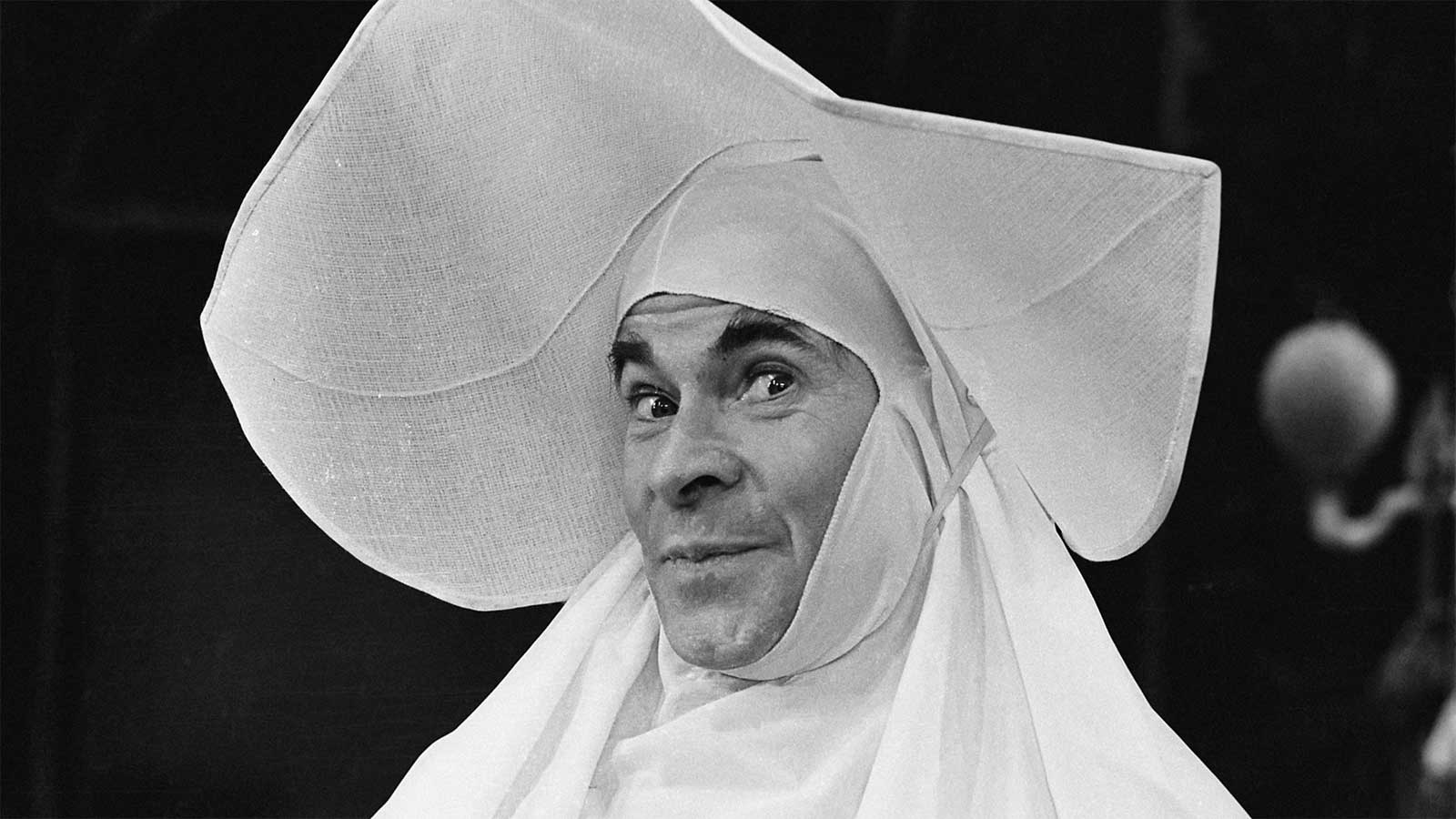
Baxter’s move to London in 1959 was a turning point. His co-hosting of the BBC’s satirical sketch show On the Bright Side earned him his first Bafta for light entertainment performance, setting the stage for what would become a legendary television career. The Stanley Baxter Show (1963–1971) was his crowning achievement, blending lavish sets and costumes with razor-sharp impressions. Whether portraying Noël Coward, Mae West, or even Queen Elizabeth II (humorously renamed ‘Duchess of Brendagh’), Baxter’s ability to inhabit characters—often female—was unmatched.
Yet, the grandeur of his productions came with a price. His BBC and London Weekend Television (LWT) shows, celebrated for their scale and spectacle, eventually fell victim to their own budgets. As TV executive John Birt bluntly explained, “It’s not that we don’t like your work. It just all costs so much.” Baxter, never one to compromise, chose semi-retirement over dilution of his creative vision (The Guardian).
The Genius of ‘Parliamo Glasgow’ and Satirical Edge
Among Baxter’s most enduring sketches was “Parliamo Glasgow”—a playful parody of language instruction shows, featuring a scholarly BBC host interpreting the ‘foreign’ tongue of Glasgow’s streets. Phrases like “Zarrafacmac?” (are you doubting what I say?) and “Sanoffy cauld day” became part of the British comedic lexicon. These routines showcased Baxter’s deep understanding of dialect, rhythm, and the subtle nuances of speech, making even gibberish sound authentic.
Baxter’s satire was not limited to language. He fearlessly lampooned public figures, from the Queen to the Pope, and poked fun at societal norms. His work blurred boundaries—drag, mimicry, and social commentary all mingled freely. Yet, critics often noted that the writing sometimes lagged behind Baxter’s performance: elaborate costumes and impersonations outshone scripts reliant on easy innuendo or recycled gags. Still, his talent for transformation and comic timing elevated even the most derivative material.
Private Struggles and Personal Revelation
Despite his flamboyance on stage, Baxter was intensely private off it. He rarely gave interviews, shunned chat shows, and described himself as a character actor rather than a comedian. The ‘man behind the mask’, as he told The Scotsman, mattered less than the mask itself—“the mask is the talent. That’s the work.”
Baxter’s personal life was marked by complexity and courage. Married to Moira for 46 years, the couple lived apart for their last two decades but remained close. In 2020, with the publication of his authorized biography The Real Stanley Baxter, Baxter publicly disclosed his sexuality—he was gay, a truth he’d kept hidden for decades due to fear of legal consequences and societal stigma. His wife had known from the start; their arrangement was unconventional but supportive. Baxter’s long-term partner, Marcus, died in 2016.
“I never wanted to be gay. I still don’t. Anyone would be insane to choose to live such a very difficult life. The truth is, I don’t really want to be me,” Baxter wrote, reflecting on a life lived both in the spotlight and in the shadows (Independent).
A Legacy Etched in Comedy History
Baxter’s career encompassed a rich array of mediums—television, radio, film, and theatre. He starred in movies like Very Important Person, The Fast Lady, and Father Came Too!, and lent his voice to animated projects. His later years saw a return to radio, with The Stanley Baxter Playhouse on BBC Radio 4, and his voice was heard by a new generation in children’s programming.
He collected awards throughout his life: multiple Baftas, a British Comedy Awards lifetime achievement honor, and, in 2020, Bafta Scotland’s Outstanding Contribution to Film and Television Award. Baxter’s influence stretched beyond accolades—he set a benchmark for originality, wit, and technical excellence in performance. As Scotland’s First Minister John Swinney noted, Baxter “brought incredible joy to generations.”
Even in death, Baxter remained true to his private nature. His funeral, as he requested, will be a small, private affair with family and close friends—no memorial service, no public plaques. What endures is the laughter he inspired and the path he paved for future generations of comedians and impressionists.
Stanley Baxter’s story is not merely one of comic brilliance, but of resilience and authenticity. He showed that the boundaries of performance could be stretched, that private truths could be lived with dignity, and that the legacy of laughter can outlast even the grandest productions. His work remains a masterclass in transformation—on stage and off.