
Quick Read
- Starlink has received a license to operate its satellite internet services in Vietnam.
- The license permits Starlink Services Vietnam Co. to deploy four gateway stations and serve up to 600,000 terminal devices.
- The expansion aims to address internet access gaps in Vietnam’s rural and mountainous areas.
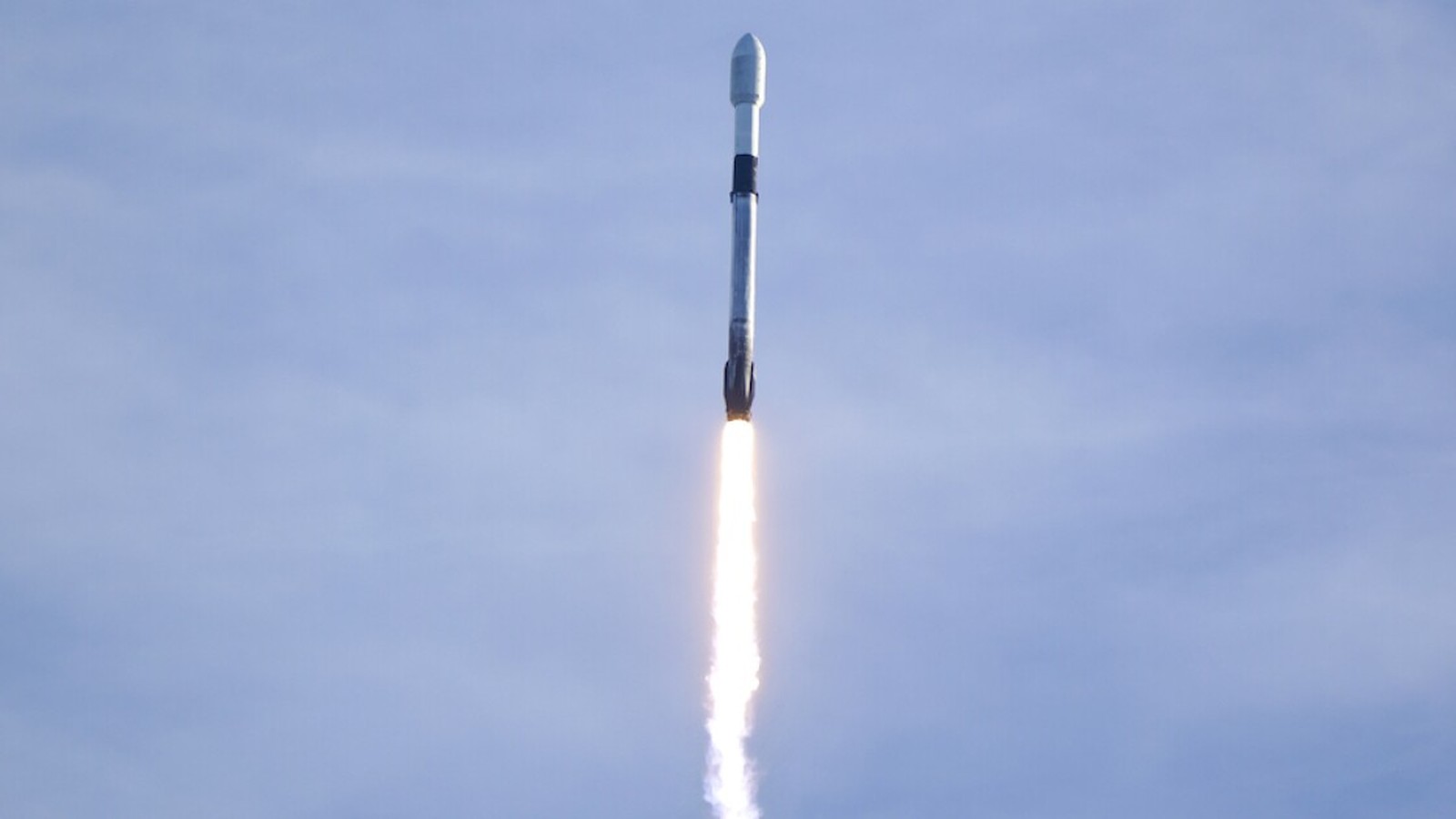
- SpaceX completed its 600th Falcon 9 launch on February 15, adding 24 Starlink satellites, bringing the total to approximately 11,000 in orbit.
- A rare image of a Starlink satellite was inadvertently captured by a French Pléiades satellite, highlighting increasing orbital density.
HANOI (Azat TV) – Starlink, the satellite internet service operated by Elon Musk’s SpaceX, has officially received a license to operate in Vietnam, signaling a significant expansion into the Southeast Asian market. The move comes as SpaceX continues its aggressive deployment of satellites, with the latest Falcon 9 mission on February 15, 2026, adding another 24 Starlink units to its rapidly growing low Earth orbit constellation, now totaling approximately 11,000 satellites.
The Vietnamese government’s radio frequency regulator announced on Saturday, February 15, that Starlink Services Vietnam Co. has been granted permission to deploy four gateway stations and serve up to 600,000 terminal devices across the country. This licensing is contingent on Starlink ensuring “no interference with existing radio communication networks,” a critical condition for its operation in Vietnam. The Authority of Radio Frequency Management stated that the Starlink system is expected to contribute to “expanding satellite internet connectivity,” particularly addressing the significant gaps in access that persist in Vietnam’s rural and mountainous regions.
Starlink’s Entry into Vietnam
Vietnam, with nearly 80 percent of its approximately 100 million people already online, still faces challenges in providing ubiquitous internet access. Starlink’s high-speed satellite internet, designed to reach remote locations globally, is poised to fill these connectivity voids where traditional fiber infrastructure is either too costly or impractical to deploy. The availability map on Starlink’s website currently indicates services in Vietnam are “coming soon,” reflecting the preparatory phase following the licensing approval.
The granting of this license represents a strategic win for Starlink, allowing it to tap into a large, developing market. While parent company SpaceX did not immediately respond to requests for comment regarding the Vietnam deal, the expansion aligns with Starlink’s broader objective of becoming a global internet provider, offering an alternative to terrestrial broadband in underserved areas.
SpaceX’s Falcon 9 Milestone and Network Growth
The Vietnam market entry is supported by SpaceX’s continued operational prowess. Just days before the license announcement, on February 15, SpaceX successfully completed its 600th Falcon 9 mission, launching 24 Starlink satellites from Vandenberg Space Force Base in California. This mission also marked the 571st successful booster landing, underscoring the company’s unmatched cadence and reusability. The booster used in this particular mission had flown 21 times previously, including 11 Starlink deployments, demonstrating robust hardware longevity and efficient turnaround times.
This rapid launch schedule is crucial for Starlink’s constellation buildout, which now comprises roughly 11,000 active satellites. Each new batch of satellites enhances network capacity and coverage, leading to improved peak-hour speeds and reduced congestion for users. This continuous expansion is vital for supporting households, small businesses, mobility users, and public safety initiatives, especially in regions lacking reliable broadband options.
Orbital Crowding and Future Outlook for Starlink
The proliferation of Starlink satellites, while beneficial for global connectivity, has also drawn attention to the increasing density of low Earth orbit. A rare image recently captured by a French Pléiades satellite, operated by Airbus Defence and Space, inadvertently showed a fully deployed Starlink satellite in full color. This unusual photographic alignment, given the extreme speeds of objects in orbit, highlights the growing number of active satellites—now over 10,000 globally—and the increasing likelihood of such interactions. Experts anticipate that such instances, along with concerns about reflected sunlight contaminating astronomical observations, will become more frequent as additional megaconstellations are deployed.
As Starlink expands its services into new markets like Vietnam, it faces increasing scrutiny regarding orbital traffic management and debris mitigation, which policy makers, including the FCC in the U.S., continue to address. The company’s ability to navigate these regulatory landscapes while maintaining its aggressive deployment schedule will be key to its sustained growth and market dominance in the evolving space economy.
Starlink’s successful entry into the Vietnamese market, alongside SpaceX’s continuous operational milestones, underscores the growing global demand for satellite broadband and the strategic importance of securing regulatory approvals in emerging economies, even as concerns about orbital crowding intensify.