
Quick Read
- Stephen Miller was present during Trump’s announcement of Maduro’s capture.
- Miller oversees homeland security matters in the White House.
- His role reflects the merging of U.S. domestic security and foreign intervention.
Stephen Miller’s Presence at the Forefront of U.S.-Venezuela Policy
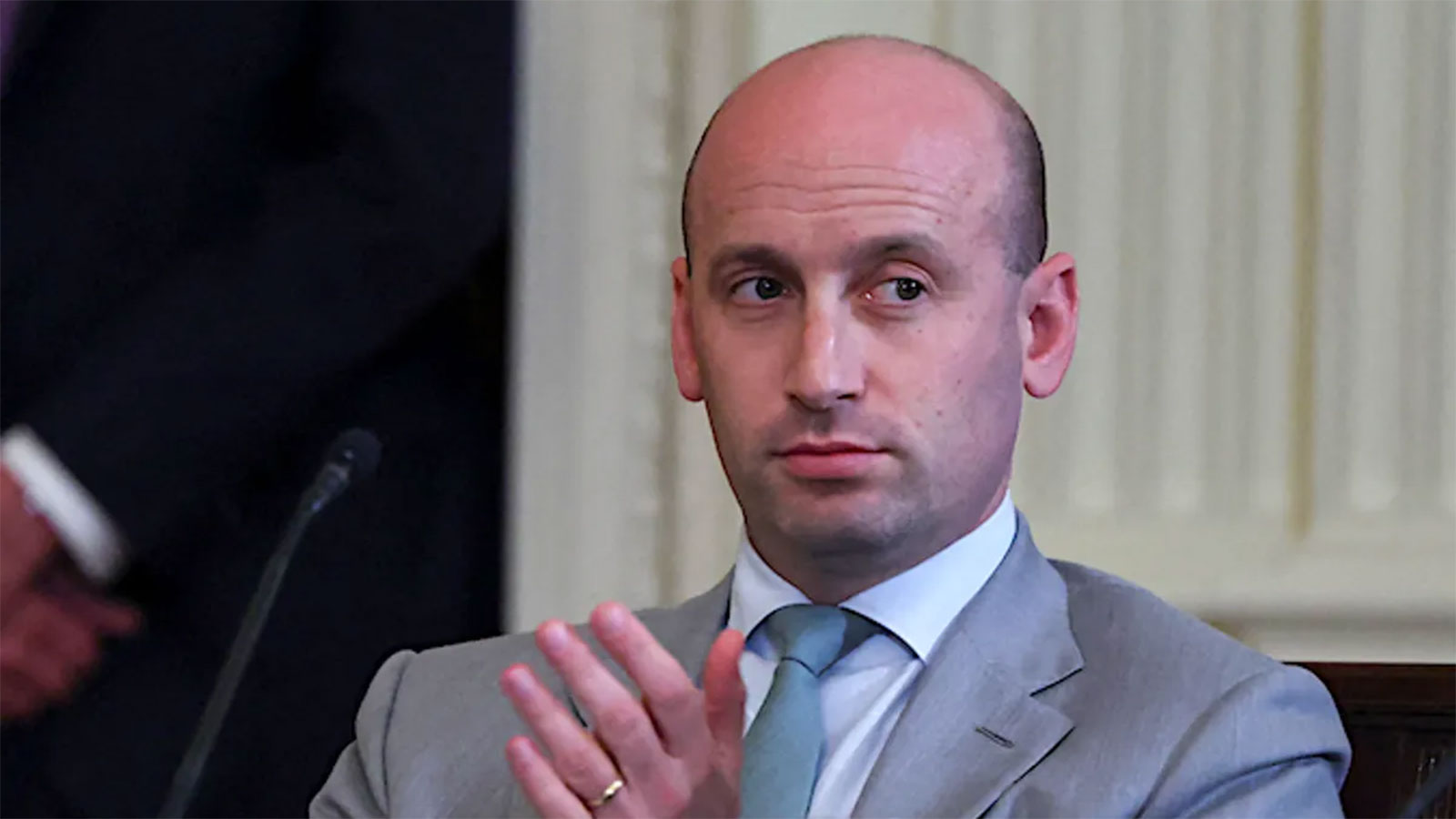
On January 3, 2026, President Donald Trump stood before the nation to announce a watershed moment in U.S.-Venezuela relations. The United States had captured Venezuelan President Nicolás Maduro in a military operation, effectively removing the sitting leader and sending shockwaves through international circles. Alongside Trump, at this critical press briefing, stood Stephen Miller—a name long associated with hardline immigration and national security policies within the Trump White House.
Miller’s visible role at the announcement was not incidental. As a top aide overseeing homeland security matters, his presence signaled the operation’s significance and the administration’s intent to frame it within broader themes of U.S. security and justice. According to PBS NewsHour, Miller was joined by other high-ranking officials, including Secretary of State Marco Rubio, Pentagon chief Pete Hegseth, and CIA Director John Ratcliffe, underlining the gravity of the situation.
Miller’s Portfolio: Homeland Security Meets Foreign Intervention
Stephen Miller’s influence in the Trump administration is well-documented, particularly his role in shaping immigration policy and border security. His involvement in the Venezuela operation suggests the administration viewed the action not just as a foreign policy move, but as a matter of U.S. homeland security. This approach draws parallels to previous U.S. interventions, such as the 1990 Panama operation that led to the capture of Manuel Noriega.
During the briefing, Trump emphasized the need for a “safe, proper and judicious transition” in Venezuela, stating the U.S. would “run” the country until stability could be ensured. The administration’s rhetoric, and Miller’s inclusion in the inner circle, underscores how security concerns at home increasingly intersect with assertive actions abroad.
The Operation: Legal and Political Implications
The military operation that led to Maduro’s capture unfolded overnight. He and his wife, Cilia Flores, were taken from their home on a Venezuelan military base and transported aboard a U.S. warship to New York, where they now face criminal charges including narco-terrorism conspiracy, according to a Justice Department indictment. The legal authority for this action, as noted by PBS NewsHour, remains under scrutiny, with analysts drawing comparisons to past U.S. interventions in Latin America.
For Miller, this episode is another chapter in his advocacy for aggressive action on issues deemed threats to U.S. security. His policy approach is characterized by a willingness to push legal boundaries, a trait that has drawn both praise and criticism throughout his career.
What Miller’s Role Reveals About Trump’s Foreign Policy
Stephen Miller’s central role in this operation reflects a broader trend in Trump-era foreign policy: the blurring of lines between domestic security and international intervention. By placing a domestic policy advisor at the forefront of a major foreign operation, the administration signaled a prioritization of security and control over diplomatic convention.
While the full extent of Miller’s involvement in operational planning is not publicly detailed, his presence at both strategic briefings and the public announcement suggests he was a key player in shaping the narrative and execution of the mission.
As the U.S. evaluates its next steps in Venezuela, Miller’s influence on policy could affect not only the immediate transition period but also longer-term U.S. engagement in the region. The emphasis on “peace, liberty and justice” for Venezuela, as stated by Trump, will be tested against the realities of international reaction and legal scrutiny.
Analysis: Stephen Miller’s role in the Venezuela operation illustrates the Trump administration’s willingness to elevate domestic security figures to global stage. This blurring of policy boundaries signals a new era of U.S. intervention—one where traditional diplomatic channels may be sidelined in favor of assertive, security-driven action. Miller’s presence is emblematic of a White House that sees foreign crises through the lens of homeland priorities, with all the risks and repercussions that entails.