
Quick Read
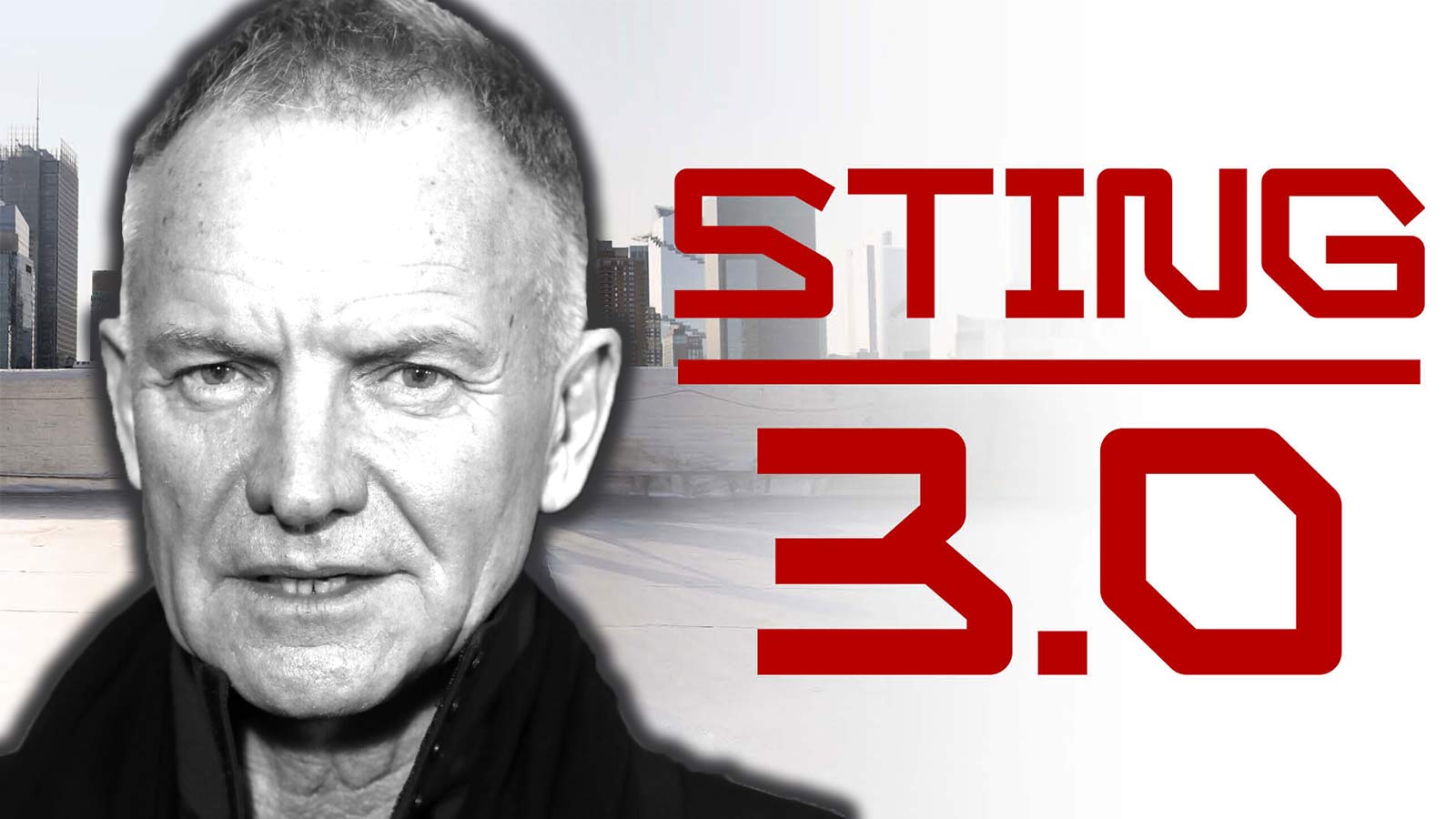
- Sting performed in Gary, Indiana for the first time as part of his ‘Sting 3.0’ tour with Dominic Miller and Chris Maas.
- The concert featured classic hits from The Police and Sting’s solo catalog.
- Researchers published a major advance in cancer immunotherapy by modulating the STING pathway via PCSK9 silencing.
- PCSK9 silencing enables safer, more effective immune activation against tumors, reducing toxic side effects.
- The findings may lead to more personalized and potent cancer treatments in the future.
Sting’s First-Ever Gary Concert: A Night to Remember
For Gary, Indiana, November 2025 will be remembered for the night when music legend Sting set foot in the city for the very first time. Taking the Hard Rock stage as part of his current “Sting 3.0” tour, the British icon didn’t hold back. With long-time guitarist Dominic Miller and dynamic drummer Chris Maas by his side, Sting’s power trio delivered a set that was equal parts nostalgia and innovation. The chemistry among the trio was palpable—each song felt like a finely tuned conversation, echoing Sting’s decades-long journey from The Police frontman to global solo artist.
The crowd, buzzing with anticipation, was treated to a blend of classics and deep cuts. From the unmistakable reggae-rock rhythms of “Roxanne” to the introspective balladry of “Fields of Gold,” Sting’s setlist traced the arc of his expansive career. Fans sang along, swaying to the familiar hooks and soaking in the rare thrill of seeing the superstar in their hometown. As reported by The Times, Sting greeted the audience with a playful nod: “I saved it for you,” acknowledging the long wait and the special energy in the room.
This show was more than just another stop on a legendary tour—it was a celebration of connection. For many, the evening underscored how live music can unite generations and communities, especially when delivered by an artist whose catalog has become part of the soundtrack of their lives. The “Sting 3.0” format, stripped down yet powerful, proved that sometimes less truly is more, allowing every note and lyric to hit with clarity and force.
Innovation on Stage, Innovation in Science: The STING Pathway Revolution
While Sting brought musical innovation to Gary, another kind of breakthrough was making waves in the world of medical science. In late November 2025, researchers announced a paradigm-shifting advance in cancer immunotherapy—one that centers on the STING signaling pathway and its precise modulation via PCSK9 silencing.
According to findings published in Nature Communications and summarized by Bioengineer.org, scientists led by Sun, Han, and Li have discovered that silencing the protein PCSK9 can recalibrate the spatiotemporal activation of STING, a critical regulator of the innate immune system. The cGAS-STING axis acts as a cellular sentry, detecting abnormal DNA and triggering immune responses that can eliminate tumors. However, previous attempts to harness STING agonists have often faced obstacles—either the immune response was too weak, allowing cancer to persist, or too strong, causing harmful inflammation.
The team’s innovative approach involves using genetic techniques to silence PCSK9, a protein better known for its role in cholesterol metabolism. This manipulation fine-tunes the timing and location of STING activation within cells, ensuring a robust but controlled immune response. Through advanced imaging and molecular assays, the researchers observed that PCSK9 silencing keeps STING in the endoplasmic reticulum until just the right moment, then enables its migration to endosomes, optimizing cytokine production and immune cell recruitment.
Transcriptomic and proteomic analyses revealed a surge in interferon-stimulated genes and dendritic cell activity, bridging the innate and adaptive arms of the immune system. Most importantly, in vivo experiments demonstrated that combining PCSK9 silencing with existing checkpoint inhibitors like anti-PD-1 antibodies led to greater tumor regression without the toxic side effects that have historically plagued STING-targeted therapies. This dual-phase, spatially controlled immune activation could mark a turning point for cancer patients, offering potent and safer treatment options.
Music and Medicine: Unexpected Parallels
On the surface, Sting’s concert and the scientific breakthrough might seem worlds apart. But both stories share a theme: the power of precision and timing. Just as Sting’s trio relies on tight synchronization to deliver unforgettable performances, the latest cancer immunotherapy exploits the spatiotemporal dynamics of cellular signaling to achieve optimal results. Both require deep expertise, bold innovation, and a willingness to rethink established roles—whether that’s a musician revisiting his catalog or a researcher looking at a cholesterol regulator as an immune modulator.
The study by Sun et al. also highlights the growing recognition that metabolic pathways and immune responses are intricately connected within the tumor microenvironment. By targeting PCSK9, researchers aren’t just tweaking cholesterol—they’re opening doors to personalized medicine, where therapies can be tailored to the unique profile of each patient’s cancer and immune system.
Looking Ahead: Next Steps in Therapy and Performance
For the scientific community, the next chapter involves translating these laboratory insights into clinical trials and, ultimately, patient care. The promise is twofold: more effective tumor elimination and fewer immune-related complications. As the field of immuno-oncology races forward, strategies that manipulate the timing and location of immune activation will likely become central to new treatment paradigms.
Meanwhile, fans of Sting can look forward to more stops on his “Sting 3.0” tour, each one a masterclass in musical precision and emotional resonance. Whether on stage or in the lab, the lesson is clear: innovation thrives where timing, expertise, and the courage to challenge old assumptions converge.
Assessment: The juxtaposition of Sting’s landmark concert and the PCSK9-STING immunotherapy breakthrough highlights a cultural moment shaped by innovation—on stage and in science. While the concert showcased mastery of musical timing and connection, the research offers hope for more precise, safer cancer treatments. Both stories remind us that progress often comes from reimagining the familiar, whether in melody or molecular pathways.