
Quick Read
- Over 400,000 F1-themed KitKat bars were stolen from a truck in transit between Italy and Poland.
- The theft of 12 tons of product threatens potential shortages in European markets during the high-demand Easter season.
- Nestlé has implemented a tracking system using unique batch codes to identify and report stolen units appearing on unauthorized markets.
A high-profile cargo theft in Europe has resulted in the loss of 413,793 KitKat bars, specifically from the brand’s new Formula 1-themed range. The heist, which occurred on March 28, 2026, involved an entire truckload weighing over 12 tons that disappeared while in transit from Italy to Poland. The incident has raised significant concerns regarding potential supply disruptions for retailers ahead of the upcoming Easter holiday.
The Stakes of the F1 Range Theft
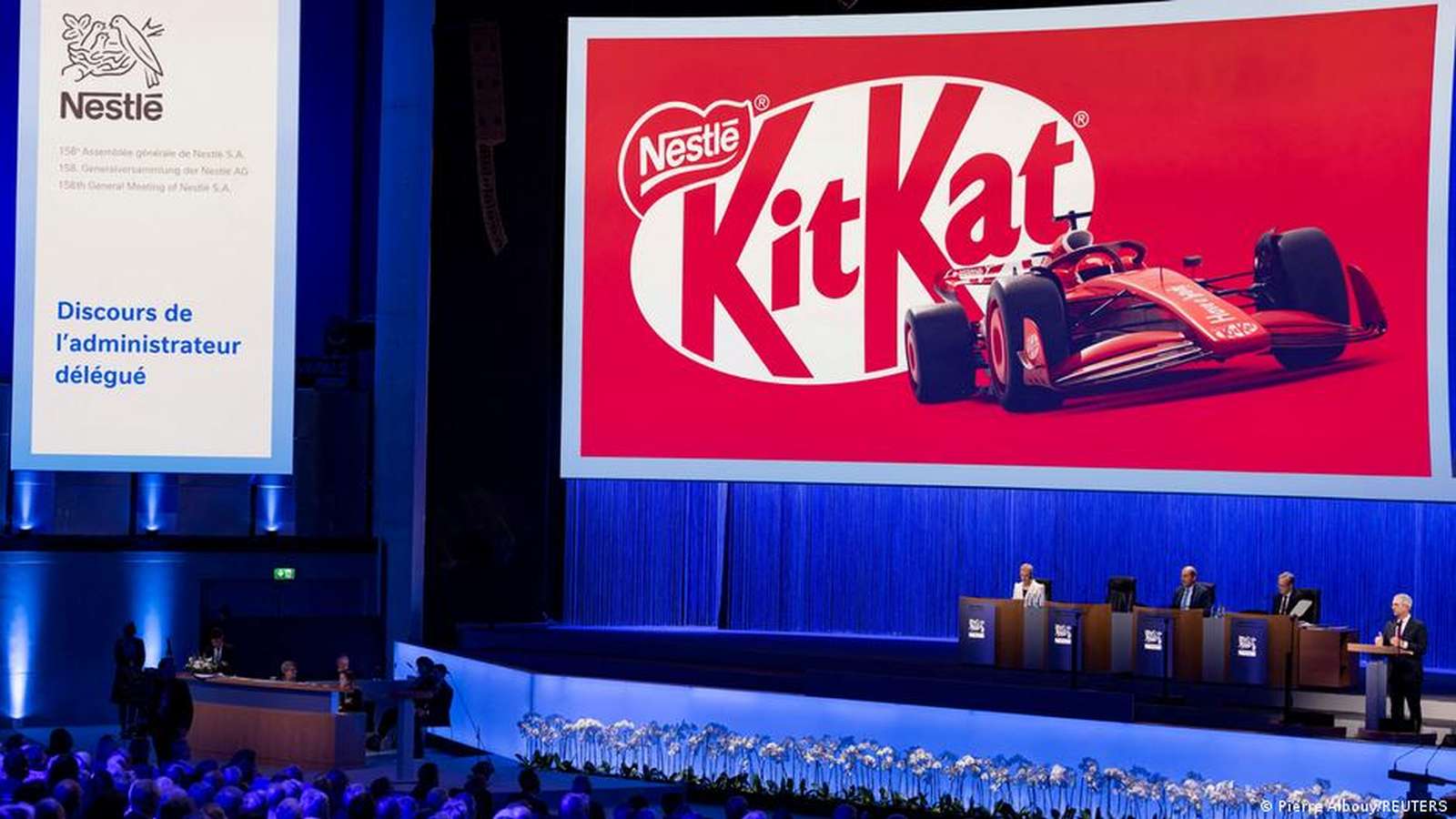
The stolen shipment is not standard inventory; it comprises the exclusive F1-branded chocolate bars launched earlier this year as part of a multi-year partnership between Nestlé and Formula 1. The product, designed as a masterpiece in the shape of a racing car, was intended for distribution across European markets. While Nestlé has confirmed that the vehicle and its contents remain missing, the company is actively coordinating with local authorities to locate the consignment. The loss of such a significant volume of specialized product has left major retailers bracing for potential shelf shortages during one of the busiest retail windows of the year.
Traceability and Cargo Security Challenges
In response to the theft, Nestlé has emphasized the use of advanced supply chain tracking. Each individual bar within the stolen batch is marked with a unique code, allowing both retailers and consumers to identify if their product originated from the hijacked shipment. According to the company, if a consumer or retailer scans a product and finds a match to the stolen batch, the system provides immediate, clear instructions on how to alert Nestlé. This mechanism is intended to track the movement of the goods as they potentially surface on unofficial or secondary sales channels.
Escalating Trends in European Logistics
The incident highlights a broader, troubling trend of cargo theft across European transit routes. Nestlé, while maintaining a lighthearted tone regarding the criminals’ exceptional taste, used the public acknowledgment of the heist to draw attention to the increasing sophistication of criminal organizations targeting supply chains. The company noted that as these schemes become more frequent, businesses must grapple with both the financial impact and the operational complexities of securing high-value, high-demand inventory in transit.
The strategic move to make the batch codes public suggests that Nestlé is prioritizing the disruption of the black market over simple loss recovery, betting that the traceability of these specific F1-branded units will make them too high-risk for legitimate secondary retailers to accept.