
Quick Read
- Tanker traffic through the Strait of Hormuz remains at a fraction of pre-war levels despite a two-week ceasefire.
- More than 400 vessels are currently anchored outside the Gulf as shipping firms await clearer security guarantees.
- Global oil prices continue to trade at a premium due to persistent logistical uncertainty and the lack of alternative transit routes.
Shipping Delays Persist in the Strait of Hormuz
International tanker traffic through the critical Strait of Hormuz remains effectively paralyzed as of April 9, despite a two-week ceasefire agreement between the United States and Iran. While the diplomatic breakthrough initially raised hopes for a rapid restoration of energy flows, maritime operators and industry analysts report that the artery, which facilitates the passage of approximately one-fifth of the world’s oil and gas, is far from normal operations.
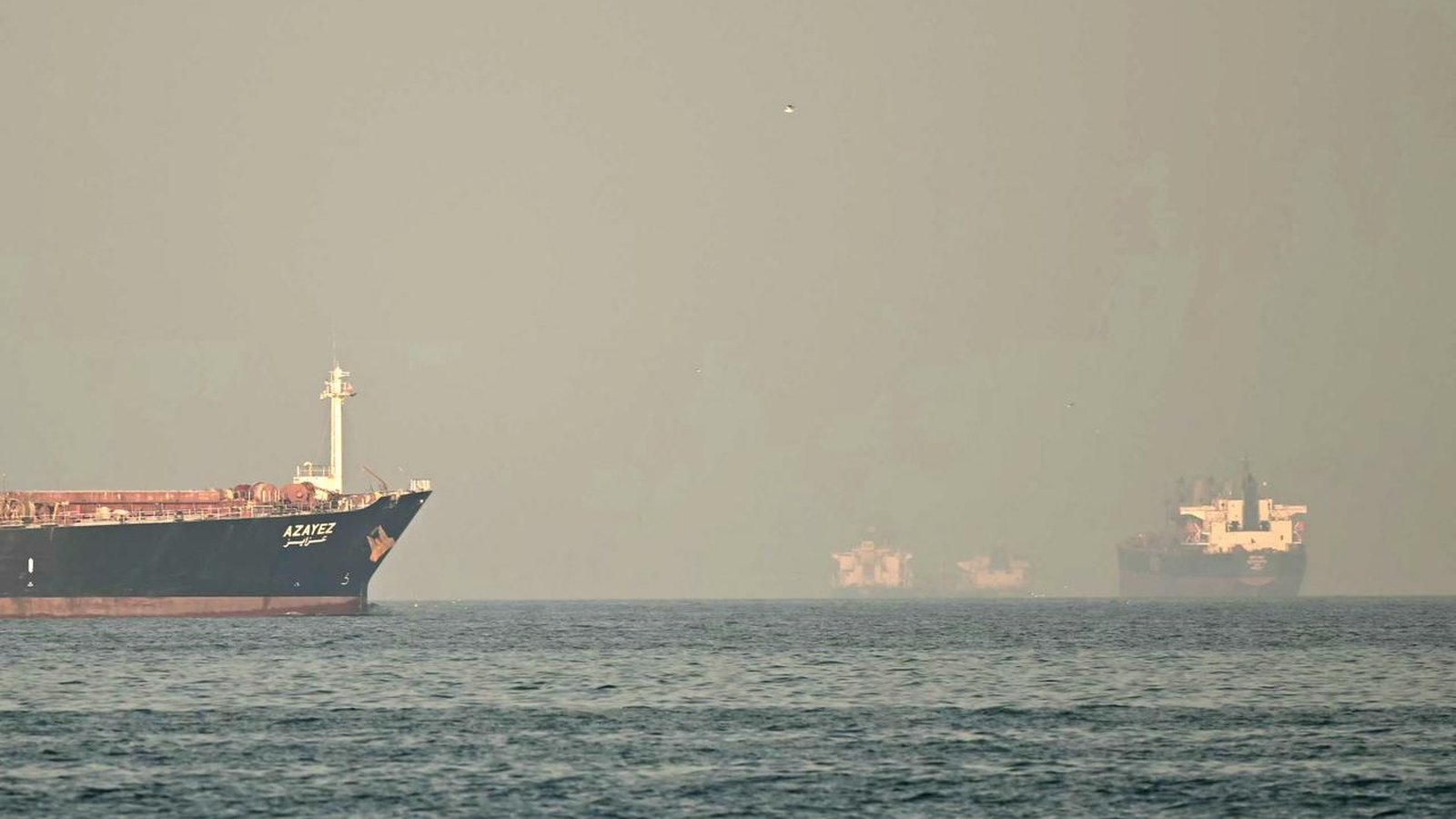
According to data from S&P Global Market Intelligence, only four transits were recorded on Wednesday. More than 400 oil-laden tankers and dozens of LNG or LPG carriers remain anchored outside the Gulf, waiting for definitive security signals. Many vessels continue to avoid the primary channel, opting for altered routes west of Larak Island to minimize exposure to potential volatility.
Security Risks and Operational Uncertainty
The reluctance of major shipping firms to resume standard transit schedules is driven by a lack of clear legal and operational frameworks. Nils Haupt, communications chief at Hapag-Lloyd, stated that the company is currently refraining from using the waterway, noting that the disruption will likely persist for weeks, if not months. The uncertainty is compounded by the fragile nature of the ceasefire, which remains threatened by regional escalations, including intensified strikes in Lebanon.
While Iran has reportedly offered a proposal for safe passage, shipping companies remain cautious. The decision to enter the Strait remains largely at the discretion of individual captains, many of whom are prioritizing crew safety over financial incentives. Windward, a maritime research firm, emphasized that the first 48 hours of the truce are critical for establishing the credibility of these new transit conditions, yet shipowners remain wary of Iran’s continued control over the waterway.
Economic Stakes and Market Impact
The continued blockage has kept global oil prices elevated. Although WTI and Brent crude retreated slightly from their near-$110 peaks to around $97 per barrel following the ceasefire announcement, they remain significantly above pre-war levels of $70. Analysts warn that the market will continue to trade at a premium due to ongoing logistical bottlenecks and the rising costs of war risk insurance.
Unlike previous maritime crises, such as the disruptions in the Red Sea, the Strait of Hormuz offers limited alternatives for rerouting, making the recovery of this route essential for global supply chain stability. As physical and logistical hurdles remain, the anticipated rebound in traffic is expected to be a slow, incremental process rather than a sudden normalization.
The persistence of the blockade, despite the diplomatic framework, underscores that geopolitical leverage remains the primary factor governing the Strait of Hormuz, rendering economic recovery secondary to the ongoing security standoff.