
Quick Read
- Supreme Court blocked Trump’s National Guard deployment in Chicago on December 23, 2025.
- President must exhaust regular military options before federalizing National Guard.
- Decision marks a rare legal defeat for Trump’s immigration crackdown.
- On December 23, 2025, the Supreme Court rejected the Trump administration’s emergency request to deploy National Guard troops in the Chicago area, specifically at the ICE facility in Broadview (PBS, USA Today, NBC News).
- The court’s majority ruled that the president cannot rely on inherent constitutional authority and must first exhaust regular military resources before federalizing the National Guard (USA Today).
- This decision is a rare defeat for President Trump, who has otherwise seen a string of Supreme Court victories on emergency appeals since returning to office in January 2025 (NBC News).
Supreme Court Decision Halts National Guard Deployment in Chicago
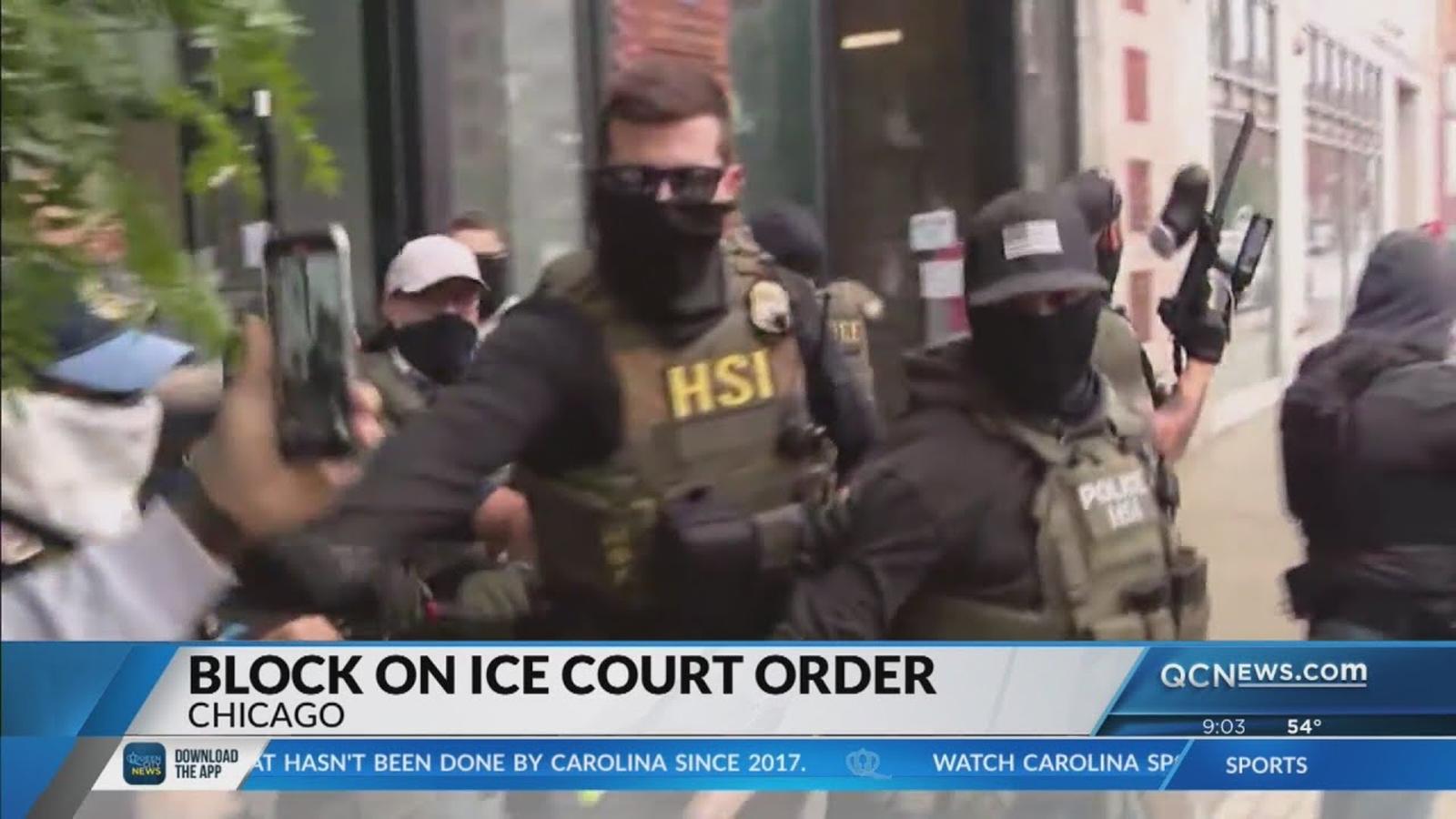
The Supreme Court’s ruling on December 23, 2025, delivered a rare rebuke to President Donald Trump’s aggressive immigration enforcement tactics. The administration had sought to deploy National Guard troops from Illinois and Texas to the Chicago area, citing what it called an “unsustainably dangerous” situation for federal agents enforcing immigration laws. Tensions have been especially high outside the U.S. Immigration and Customs Enforcement (ICE) facility in Broadview, where protests erupted over what critics called sweeping and harsh immigration raids under the banner of Operation Midway Blitz.
Federal agents at Broadview have previously used tear gas and chemical agents on protesters and journalists, and recent demonstrations resulted in the arrest of 21 individuals and injuries to four officers. Yet, Judge April Perry, who first blocked the deployment, found no substantial evidence that Chicago faced “danger of rebellion,” nor that the protests had obstructed law enforcement operations. Her initial two-week block was extended indefinitely, a decision backed by the Chicago-based 7th U.S. Circuit Court of Appeals.
Legal Battle Over Presidential Authority and State Rights
The Trump administration argued that it was up to the president to decide if state-based military forces were needed to protect federal property and personnel. However, the Supreme Court disagreed, ruling that federalizing the National Guard is permissible only in “exceptional” circumstances, such as rebellion, and only if regular military forces are unable to maintain order. The majority emphasized that the president cannot simply invoke “inherent constitutional authority” to bypass governors or local officials.
This distinction was critical: the law’s reference to “regular forces” means the National Guard cannot be deployed unless regular military options have been exhausted. The dissenting justices – Samuel Alito, Clarence Thomas, and Neil Gorsuch – criticized the majority for raising this issue without it being central to the lower court’s decisions.
Justice Brett Kavanaugh, a Trump appointee, agreed with the result but offered a narrower rationale. The split among the six conservative justices, with three joining the liberals in the majority, highlighted the contentiousness and complexity of the legal questions at stake.
Chicago ICE Facility as Flashpoint in Immigration Crackdown
Chicago’s ICE facility in Broadview has become emblematic of the broader struggle between federal authority and local autonomy. The area has seen repeated protests, sometimes escalating into confrontations with law enforcement. The Trump administration’s description of chaos and “lawless” conditions has been challenged by local officials and judges, who maintain that protests, while tense, have not risen to the level that would justify military intervention.
Operation Midway Blitz, Trump’s signature immigration crackdown, has fueled these confrontations, leading to a cycle of protest and response. The administration’s attempt to federalize hundreds of National Guard troops from Illinois and Texas was met with resistance not only from local officials but also from the courts, which viewed the move as an unconstitutional infringement on state power.
Wider Impact and Ongoing Legal Challenges
The Chicago case is just one in a series of legal battles over National Guard deployments. Similar lawsuits have been filed in California, Oregon, Tennessee, and the District of Columbia. In Oregon and California, courts have permanently blocked deployments, while in Memphis and D.C., challenges continue. Forty-five states have filed briefs in the federal court case regarding D.C., reflecting the national scope and high stakes of these disputes.
President Trump’s efforts to impose federal control over Democratic-led cities have become a hallmark of his presidency. While the Supreme Court has frequently sided with his administration in recent months, this decision marks a notable exception, signaling that there are limits to presidential power, especially where state rights and local governance are concerned.
Illinois Governor JB Pritzker hailed the ruling as an important step in “curbing the Trump administration’s consistent abuse of power and slowing Trump’s march toward authoritarianism.” Meanwhile, the White House insisted that the administration would continue its efforts to protect federal personnel and property.
The Supreme Court’s decision to block the National Guard deployment in Chicago reveals the judicial branch’s crucial role in checking executive overreach. While the administration’s urgency was palpable, courts demanded concrete evidence and a clear threshold of crisis. The saga underscores the enduring tension between federal authority and local autonomy—a dynamic likely to shape future battles over immigration and public order.