
Quick Read
- The Supreme Court of India authorized passive euthanasia for Harish Rana, who has been in a vegetative state since 2013.
- The ruling establishes that artificial nutrition and hydration are considered medical treatments that can be withdrawn if recovery is deemed impossible.
- The court directed AIIMS Delhi to facilitate the end-of-life process, marking the first direct court-ordered passive euthanasia in the country.
NEW DELHI (Azat TV) – The Supreme Court of India has issued a landmark verdict authorizing passive euthanasia for 32-year-old Harish Rana, who has remained in a persistent vegetative state for 13 years following a catastrophic fall in 2013. The ruling, delivered by Justices JB Pardiwala and KV Viswanathan, marks the first time the court has directly ordered the withdrawal of medical treatment in such a case, setting a significant legal precedent for end-of-life care in the country.
Defining Medical Treatment in Euthanasia Cases
Central to the court’s decision was the classification of clinically administered nutrition and hydration. The bench ruled that food and water provided via feeding tubes constitute medical treatment. Consequently, such support can be withdrawn if medical boards determine that continuing the intervention no longer serves the patient’s best interest. This clarification addresses a critical ambiguity in the 2018 Supreme Court guidelines, which previously focused on the withdrawal of mechanical ventilation rather than artificial nutrition.
The Medical and Legal Journey
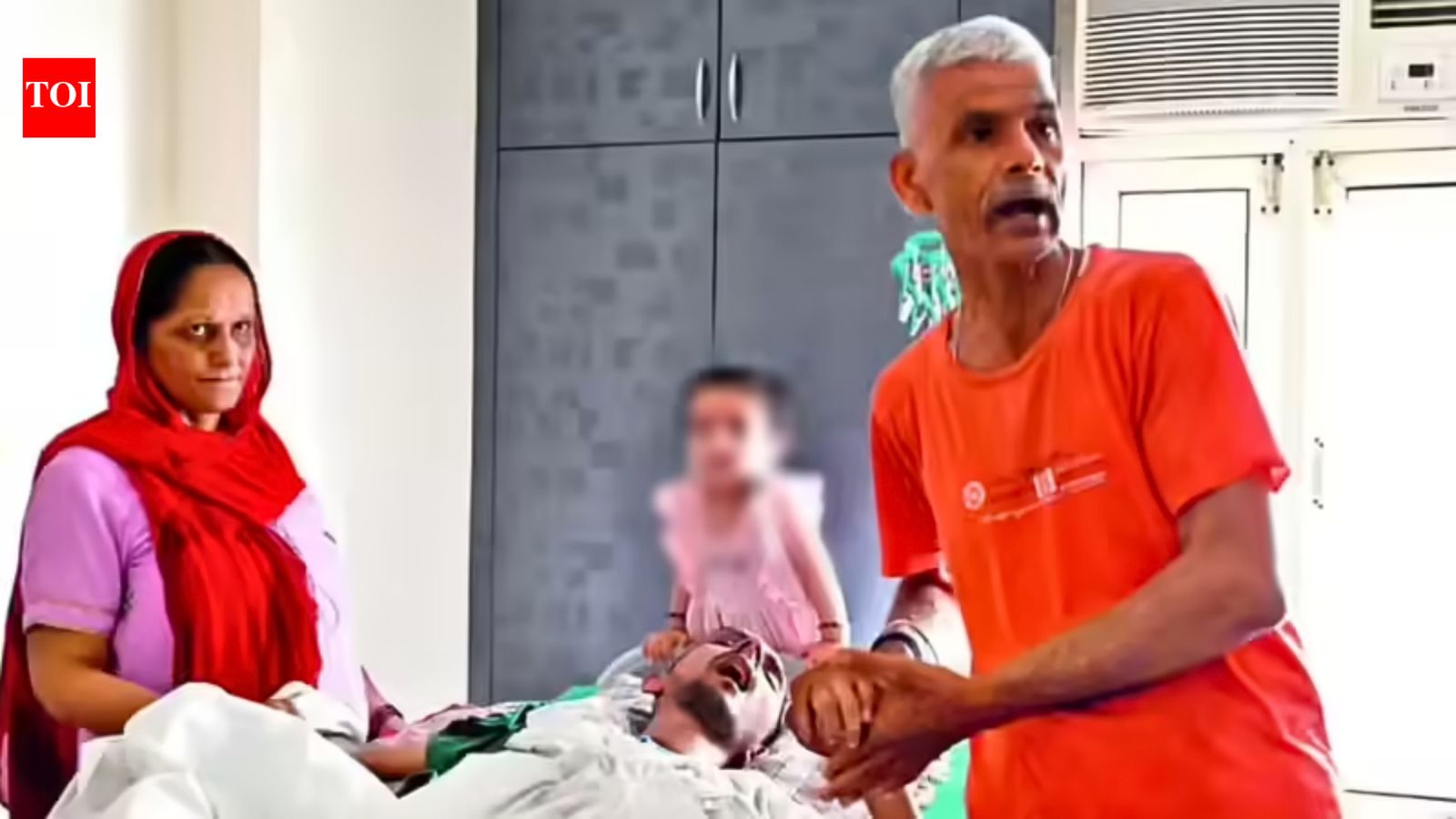
Harish Rana was a 20-year-old university student when he suffered severe brain injuries from a fall, resulting in 100% quadriplegia. Medical reports submitted to the court confirmed his condition was irreversible, characterized by a lack of communication, eye contact, or meaningful movement. His parents, exhausted by years of emotional and financial strain, sought judicial intervention after the family was forced to sell their home to cover monthly care costs exceeding 30,000 rupees. The court has now directed the All India Institute of Medical Sciences (AIIMS) in Delhi to facilitate the withdrawal of life support in accordance with established medical protocols.
Judicial Reflections on Life and Dignity
In their judgment, the presiding justices addressed the profound moral weight of the case by citing literature and philosophy, framing the court’s role as one of compassion rather than merely legal adjudication. The bench emphasized that the obligation of medical professionals to provide care does not extend to situations where treatment merely sustains biological life without hope of recovery. By validating the parents’ plea, the court has effectively recognized the right to die with dignity as a component of the right to life under specific, strictly regulated medical circumstances.
The court’s decision underscores a shift toward prioritizing patient dignity and quality of life over the mere extension of biological functions, establishing a clear framework for future medical boards to navigate the difficult intersection of ethics, law, and clinical reality.