
Quick Read
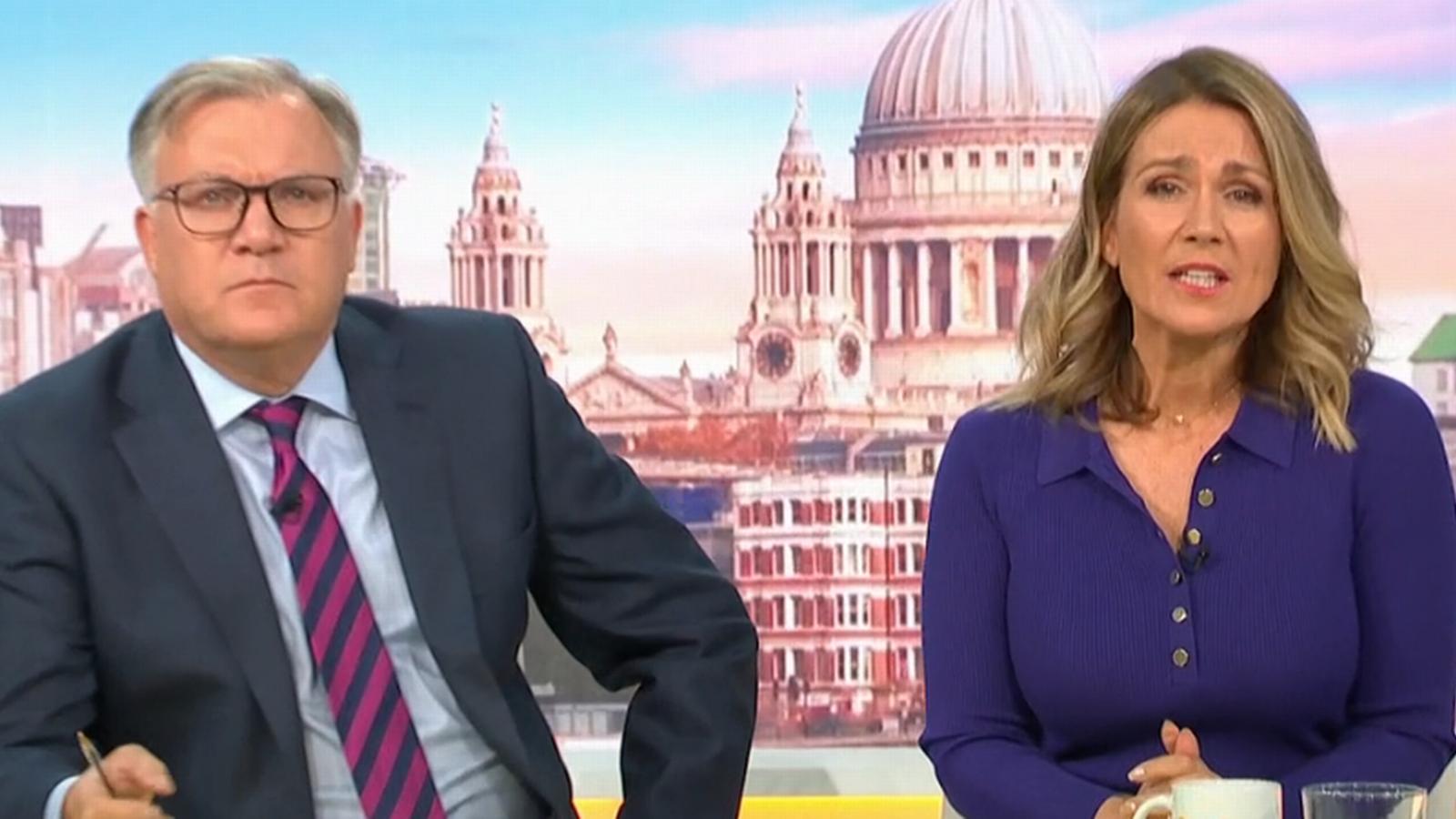
- Good Morning Britain was suddenly interrupted for breaking news from Downing Street.
- Chancellor Rachel Reeves is expected to announce tax increases ahead of the budget.
- Labour has ruled out increases to VAT, National Insurance, or income tax in its manifesto.
- Presenter Richard Gaisford announced his departure after 25 years on the show.
- Susanna Reid remained composed during the live broadcast disruption.
Good Morning Britain Interrupted: The Reality Behind Live News
It was just another Tuesday morning on ITV’s Good Morning Britain, with Susanna Reid at the helm, guiding viewers through the usual mix of headlines, interviews, and lively debate. But on November 4, 2025, the show’s rhythm was shattered. Viewers witnessed something that rarely happens: the program came to a sudden halt, giving way to a major, unscheduled news announcement. For Susanna Reid and her co-hosts, it was a moment that tested the mettle of live television.
Rachel Reeves’ Budget Announcement: Why the Nation Was Watching
What could be so urgent that the country’s most-watched breakfast show would pause its regular programming? The answer came from Downing Street. Chancellor Rachel Reeves was about to address the nation, expected to lay out the groundwork for tax increases in her forthcoming budget. The air was thick with speculation, not only in political circles but across households up and down the country.
Prime Minister Sir Keir Starmer had already warned Labour MPs that the economic situation was “worse than feared.” Rachel Reeves, taking the stage three weeks ahead of the official budget statement, aimed to acknowledge the swirling rumors and explain why “necessary” changes were being considered. According to Daily Express, this sort of pre-budget speech is highly unusual, signaling just how serious the circumstances are.
Louisa James, reporting live from London, emphasized that Reeves was setting expectations—and perhaps softening the impact of what many anticipate will be a tough fiscal message. For viewers, the sudden switch from morning banter to a grave economic update was jarring, underscoring the unpredictability that comes with live news coverage.
Susanna Reid: Steady in the Storm of Live Broadcasts
For Susanna Reid, whose name is synonymous with Good Morning Britain’s energy and professionalism, these moments are both a challenge and an opportunity. The show’s hosts are trained for such disruptions, but the stakes are always high. With millions watching, Reid must pivot quickly—moving from lighter segments to topics that could affect every household in the country.
Reid’s composure under pressure is a hallmark of her broadcasting style. When a major announcement interrupts the flow, it’s her job to keep viewers informed, calm, and engaged. The transition from celebrity interviews to government policy is never seamless, but it’s precisely this unpredictability that distinguishes seasoned presenters from the rest.
Labour’s Tax Promises and Public Reaction
As the morning unfolded, Ranvir Singh highlighted a crucial point: Labour’s general election manifesto had ruled out increases to VAT, National Insurance, or income tax. Yet, with Reeves’ announcement looming, the public was bracing for other forms of tax rises. The Chancellor was expected to explain not just what was coming, but why these measures were “necessary” in the current climate.
The timing and tone of Reeves’ speech suggested that the government was preparing the nation for difficult decisions. While the specifics of the budget were still weeks away, the message was clear: the road ahead would not be easy. For viewers tuning in to Good Morning Britain, the interruption was more than a break in routine—it was a sign of the gravity of the challenges facing the country.
This episode also reflected the delicate balance broadcasters must strike between reporting on policy and acknowledging the impact on everyday lives. Susanna Reid and her team were tasked not only with relaying facts but with interpreting their significance for a diverse, nationwide audience.
Behind the Scenes: Changes at Good Morning Britain
While the focus of the morning was on Reeves’ announcement, another story unfolded in the background. Richard Gaisford, a familiar face on Good Morning Britain, had recently announced his departure after a remarkable 25 years with ITV. His emotional farewell message underscored the dedication and adaptability required in television journalism.
“I have been privileged to have the best job in TV news for the last quarter of a century, trusted to take a front row seat at history making events all over the world,” Gaisford wrote. He praised the “incredible team of journalists and camera operators,” and expressed excitement about new opportunities within ITV, focusing on current affairs. For viewers and colleagues alike, his departure marked the end of an era—and a reminder of the constant evolution in broadcast media.
The Unpredictability of Live TV: Lessons from the Studio
Events like these highlight the unique pressures and responsibilities faced by presenters such as Susanna Reid. The ability to respond to breaking news, maintain composure, and deliver information clearly is what separates the best broadcasters from the rest. Whether it’s a sudden political announcement or a personal milestone for a colleague, live television is a test of skill, empathy, and adaptability.
For viewers, these interruptions can be frustrating, but they also serve as reminders of the real-time nature of news. The world doesn’t pause for scheduled programming, and neither can those tasked with keeping the public informed.
Susanna Reid’s steady presence during the abrupt interruption on Good Morning Britain demonstrates the invaluable role of experienced broadcasters in navigating live news. As political and economic uncertainties unfold, her ability to balance urgency, clarity, and empathy ensures viewers are not just informed, but truly understood.