
Quick Read
- Sushila Karki becomes Nepal’s first female PM amid political turmoil.
- Her appointment follows weeks of violent anti-corruption protests.
- Karki aims to streamline the Cabinet and prepare for March 2026 elections.
A Turning Point Amid Crisis
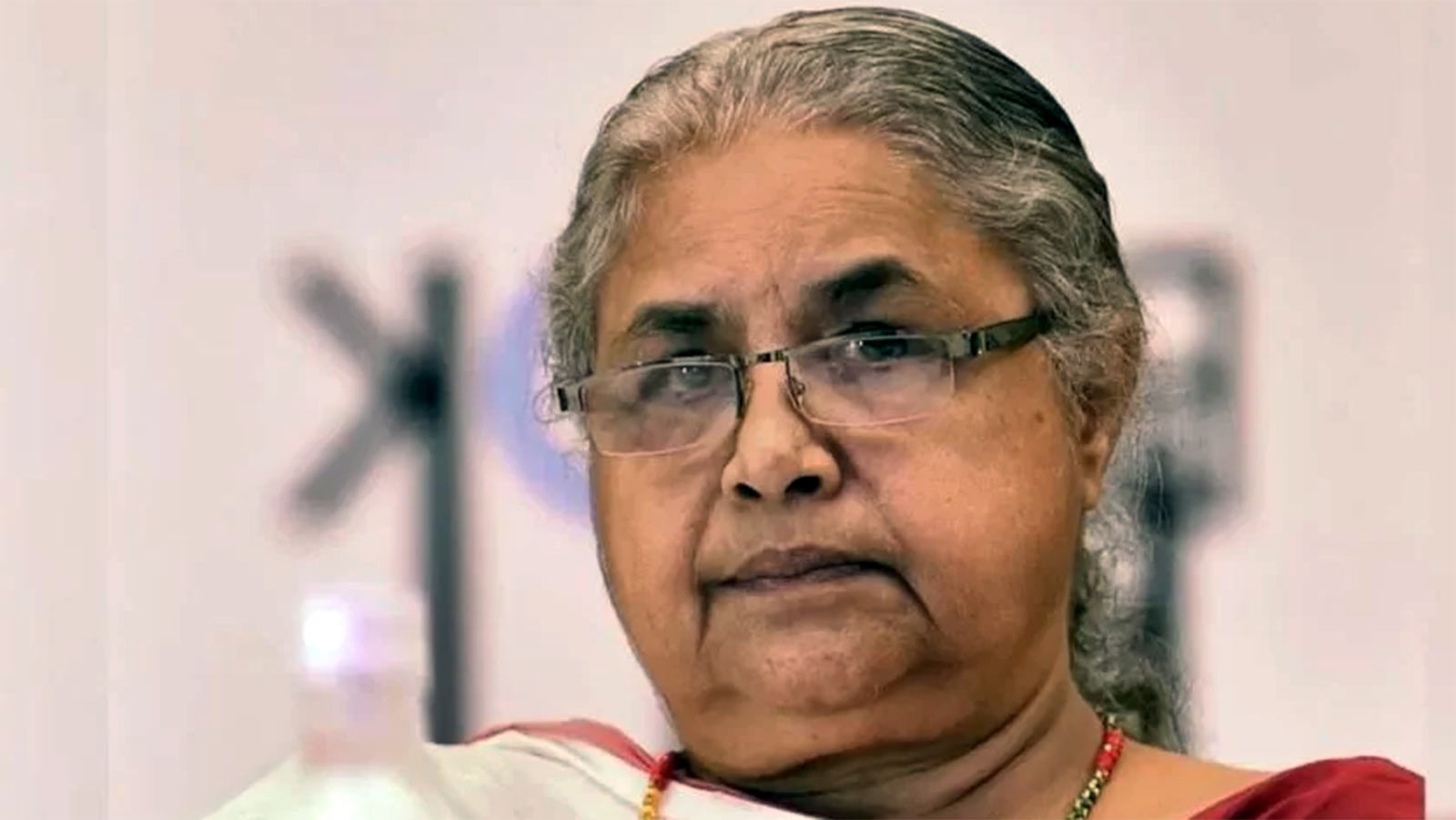
Nepal has witnessed a pivotal moment in its political history. The appointment of Sushila Karki as the country’s first female Prime Minister has not only quelled weeks of unrest but also symbolized hope for a nation striving for transparency and accountability. Karki, a former Chief Justice with a reputation for integrity, was unanimously endorsed by protesters and political actors alike following the resignation of former Prime Minister KP Sharma Oli.
The protests, which began as peaceful demonstrations against corruption, quickly escalated into violent clashes, claiming 61 lives and sparking a nationwide outcry. The unrest was triggered by a ban on social media platforms, a decision that young activists viewed as emblematic of the government’s lack of accountability. Gen Z leaders, in particular, played a crucial role in mobilizing the public and pushing for a democratic transition.
A Nation Rebuilding
Karki’s first day in office was emblematic of the challenges ahead. Taking charge at Singha Durbar, the interim Prime Minister convened a meeting with top government officials to outline her immediate priorities. Her focus is clear: stabilize the nation, restore public trust, and prepare for parliamentary elections scheduled for March 2026. To achieve this, Karki plans to streamline her Cabinet, reducing the number of ministries from 25 to 15, a move aligned with calls for efficiency and reform.
The reopening of the India-Nepal border marked another step toward normalcy. While large vehicles remain restricted due to fire damage at storage facilities, the resumption of cross-border movement signals a cautious return to routine. The interim government faces the dual challenge of maintaining this fragile stability while addressing the deep-rooted issues that fueled the protests.
International Support and Domestic Challenges
Karki’s appointment has drawn praise from international actors, including the United States. In a statement, US Ambassador Dean R. Thompson lauded the peaceful resolution of the crisis and reaffirmed Washington’s commitment to working with the new leadership. He also recognized the efforts of President Ram Chandra Paudel and Chief of Army Staff General Ashok Raj Sigdel in facilitating a smooth transition.
However, not everyone is on board. The dissolution of Parliament, a key step in the transition, has been criticized by major political parties and the Nepal Bar Association. The Nepali Congress described the move as “unconstitutional,” while the CPN-UML and CPN (Maoist Centre) warned that it undermines democratic principles. Karki will need to navigate this domestic opposition carefully, balancing reform with consensus-building.
A Symbol of Hope
At 73, Sushila Karki brings decades of experience to her new role. Her appointment is a milestone for gender equality in Nepal, but it is also a testament to her unwavering commitment to justice. As she begins consultations with Gen Z leaders and civil society representatives, Karki’s leadership offers a glimmer of hope for a nation yearning for change.
Her ability to unite diverse factions, address systemic corruption, and guide Nepal toward free and fair elections will define her legacy. In a country where political instability has often overshadowed progress, Karki’s tenure as interim Prime Minister could be the turning point Nepal desperately needs.
Sushila Karki’s rise to leadership is a beacon of hope for Nepal, yet the path ahead is fraught with challenges. Her success will depend on her ability to bridge divides and deliver on the promise of reform.