
Quick Read
- Susie Wiles is Donald Trump’s chief of staff during his second term, wielding unprecedented influence.
- Wiles is credited with moderating, facilitating, and sometimes questioning Trump’s decisions.
- She managed crises including mass deportations, tariff wars, and controversial National Guard deployments.
- Her leadership style is pragmatic, empowering her team and navigating moral ambiguities.
- Wiles assembled a Cabinet of MAGA loyalists, facing criticism over qualifications and disruption.
Susie Wiles: The Woman at the Helm of Trump’s White House
On November 4, 2025, as the nation watched off-year elections unfold, Susie Wiles, White House chief of staff, was deep in discussion with President Donald Trump and his most trusted advisers in the Oval Office. The topics were as weighty as they were urgent: abolishing the filibuster and confronting Venezuela’s Nicolás Maduro. When Trump quipped about her sudden departure mid-meeting, Wiles retorted, “It’s an emergency. It doesn’t involve you.” In that moment, she displayed the quiet autonomy that has come to define her tenure—an authority rarely granted to chiefs of staff, and almost never to women in this role.
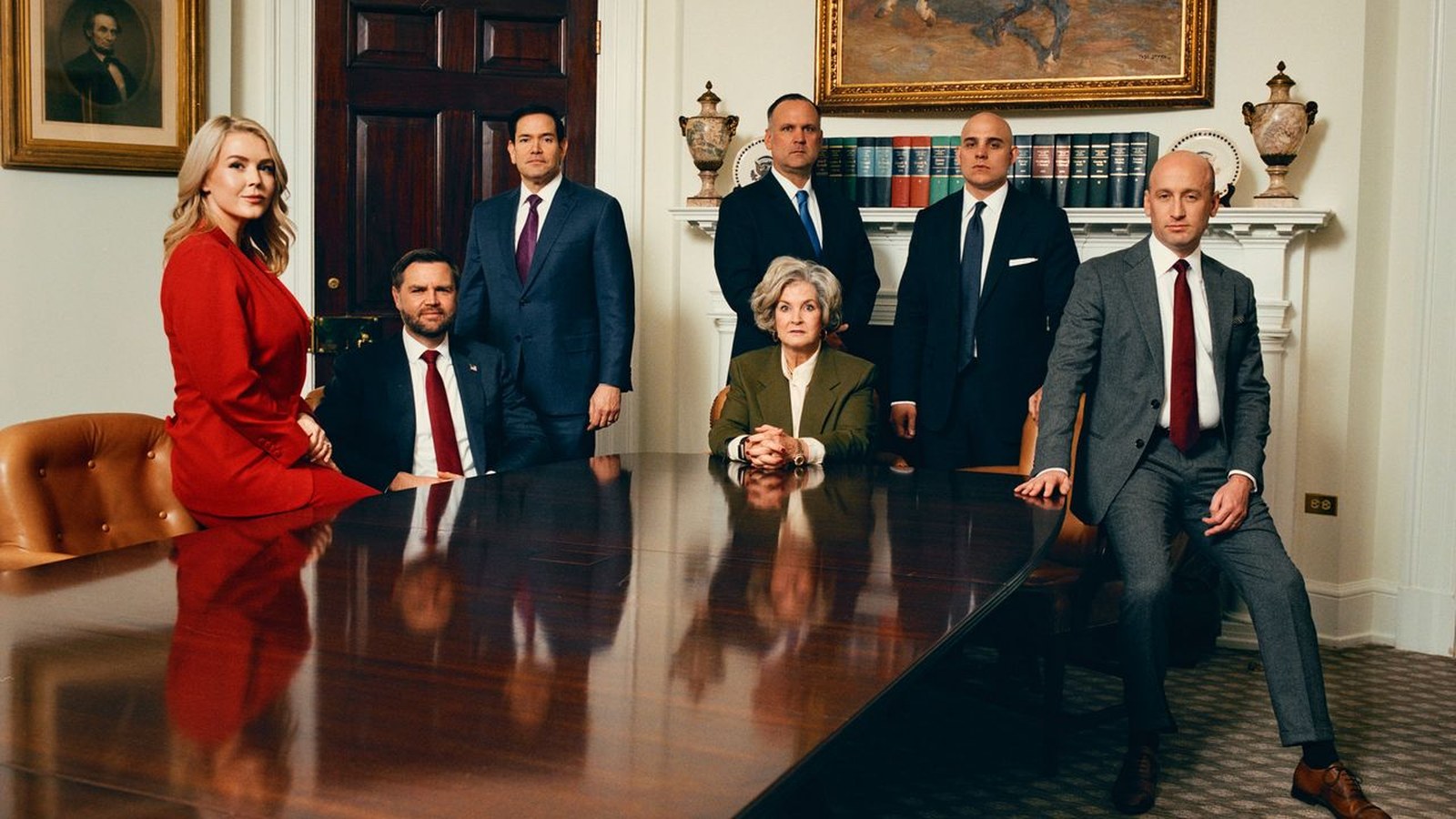
Throughout Vanity Fair’s year-long interviews, Wiles emerges not as a shadowy operator but as the administration’s decisive force. She’s trusted by Trump, respected by his circle—including Vice President JD Vance and Secretary of State Marco Rubio—and feared by those who see her as the singular check on Trump’s impulses. “She may be first with no equals,” a former Republican chief told Vanity Fair. Rubio called her bond with Trump “an earned trust.” Vance described her as a facilitator, not a controller, executing the president’s vision rather than restraining it.
From Football Fields to the West Wing: Wiles’s Path to Power
Raised by famed NFL kicker and broadcaster Pat Summerall, Susie Wiles grew up surrounded by strong personalities and the rhythms of high-stakes competition. Her childhood—marked by her father’s alcoholism and her own early political internships—prepared her for the difficult, often volatile world of national politics. “I’m a little bit of an expert in big personalities,” she quipped to Vanity Fair, suggesting Trump himself shares the traits of a “high-functioning alcoholic.”
Wiles’s career has spanned decades and political divides: from Reagan’s White House to running Rick Scott’s gubernatorial campaign, then nearly losing faith in traditional Republicans before joining Trump’s Florida team in 2015. Her relationship with Trump was forged in crisis, surviving a public dressing-down in 2016 that tested her resolve. “If you want somebody to set their hair on fire and be crazy, I’m not your girl. But if you want to win this state, I am. It’s your choice.” She was right; Trump won Florida, and Wiles never looked back.
Unprecedented Power, Unprecedented Decisions
Susie Wiles’s first year as chief of staff has been marked by bold, controversial moves. Trump’s administration has expanded presidential powers, declared war on drug cartels, imposed tariffs, sealed the border, and forced a ceasefire in Gaza. Wiles has been at the center of decisions ranging from mass deportations (sometimes with tragic errors) to the demolition of the East Wing and lethal strikes against alleged smugglers—acts some have labeled war crimes.
Wiles is candid about her moral dilemmas. When Trump pardoned nearly all January 6 convicts, including violent offenders, she admitted to questioning the wisdom of blanket amnesty. “I am on board with the people that were happenstancers or didn’t do anything violent,” she told Vanity Fair, but ultimately, Trump’s rationale—claiming excessive punishment—won out.
Her approach is pragmatic and unsentimental, surrounded by a cadre of young MAGA loyalists. “She brings no ego,” says James Blair, deputy chief of staff. Instead, she empowers her team, trusting them to handle the chaos and testosterone of the West Wing.
Clashes with Musk and Cabinet of Disrupters
One of Wiles’s earliest crises involved Elon Musk, whom Trump tapped to lead the Department of Government Efficiency. Musk’s decision to dismantle USAID shocked Wiles. “I was initially aghast,” she said, recognizing the humanitarian fallout—halting immunizations and crippling PEPFAR’s AIDS relief efforts. Despite Trump’s executive order to spare lifesaving programs, Musk’s scorched-earth approach prevailed, leaving Wiles to manage the fallout. She admits, “The president doesn’t know and never will. He doesn’t know the details of these smallish agencies.”
Her influence extends to assembling Trump’s Cabinet: a lineup of MAGA hard-liners and disruptors, from Pete Hegseth (Secretary of War) to Robert F. Kennedy Jr. (Health and Human Services). Wiles describes them as “a world-class Cabinet, better than anything I could have conceived of,” though critics see a collection of underqualified loyalists. Her philosophy is clear: “In order to get back to the middle, you have to push it too far.”
Deportations, Tariffs, and National Guard Deployments: Navigating Moral Gray Zones
Wiles’s leadership has been tested by ICE’s mass deportations—sometimes ensnaring US citizens and children in the dragnet. She acknowledges mistakes and the need for process reforms. When Trump’s tariffs triggered trade wars and market panic, Wiles tried to moderate his impulses, advocating for unity and caution. Yet, the president’s “thinking out loud” led to abrupt policy shifts and economic pain. By year’s end, a Harvard poll found 56% of voters believed Trump’s tariffs harmed the economy.
Summer brought another challenge: Trump’s deployment of National Guard troops to Democratic cities, purportedly to fight crime but sparking fears of political repression. Wiles insists such fears are unfounded—“categorically false”—yet the climate of suspicion persists.
The Moral Compass of the Chief: Does Wiles Restrain Trump?
The central question surrounding Wiles’s role remains: Is she a check on Trump’s excesses, or a facilitator of his vision? Her history suggests both. She is not a mere gatekeeper, nor simply Trump’s confidant. Instead, she occupies the unique position of implementing, moderating, and occasionally questioning the president’s will—while remaining loyal to the electoral mandate that put him in office.
Wiles’s journey—from her father’s side to the heights of American power—reflects a broader story: the struggle to balance personal conviction, moral ambiguity, and the demands of governance in a fractured era. As Trump’s second term pushes the boundaries of tradition and legality, Wiles stands at the intersection of influence and responsibility—her decisions shaping not just the administration, but the country’s trajectory.
Susie Wiles’s first year as chief of staff reveals the immense pressures and moral complexities faced by those at the heart of American power. Her ability to navigate crisis, loyalty to Trump, and willingness to question—even challenge—his decisions mark her as a singular figure in modern politics. Yet, as the administration continues to test the limits of presidential authority, the question remains whether Wiles’s pragmatism will be enough to steer the White House through the storm.