
Oncology
-

Advancements in Oncology: From Rare Disease Breakthroughs to Regulatory Milestones
A surge in oncology research this week highlights progress in treating ultra-rare liver cancers, FDA fast-tracking for colorectal immunotherapy, and the repurposing of hypertension medication to enhance cancer treatment efficacy.
-

New Horizons in Pancreatic Oncology: Can-Fite Moves to Phase 2b as Mitochondrial ‘Addiction’ Discovery Unveils Fatal Vulnerability
Significant clinical and biological breakthroughs are reshaping the landscape of pancreatic adenocarcinoma treatment, led by Can-Fite’s advancement of Namodenoson to Phase 2b and the discovery of a mitochondrial inflammatory pathway that fuels tumor growth.
-
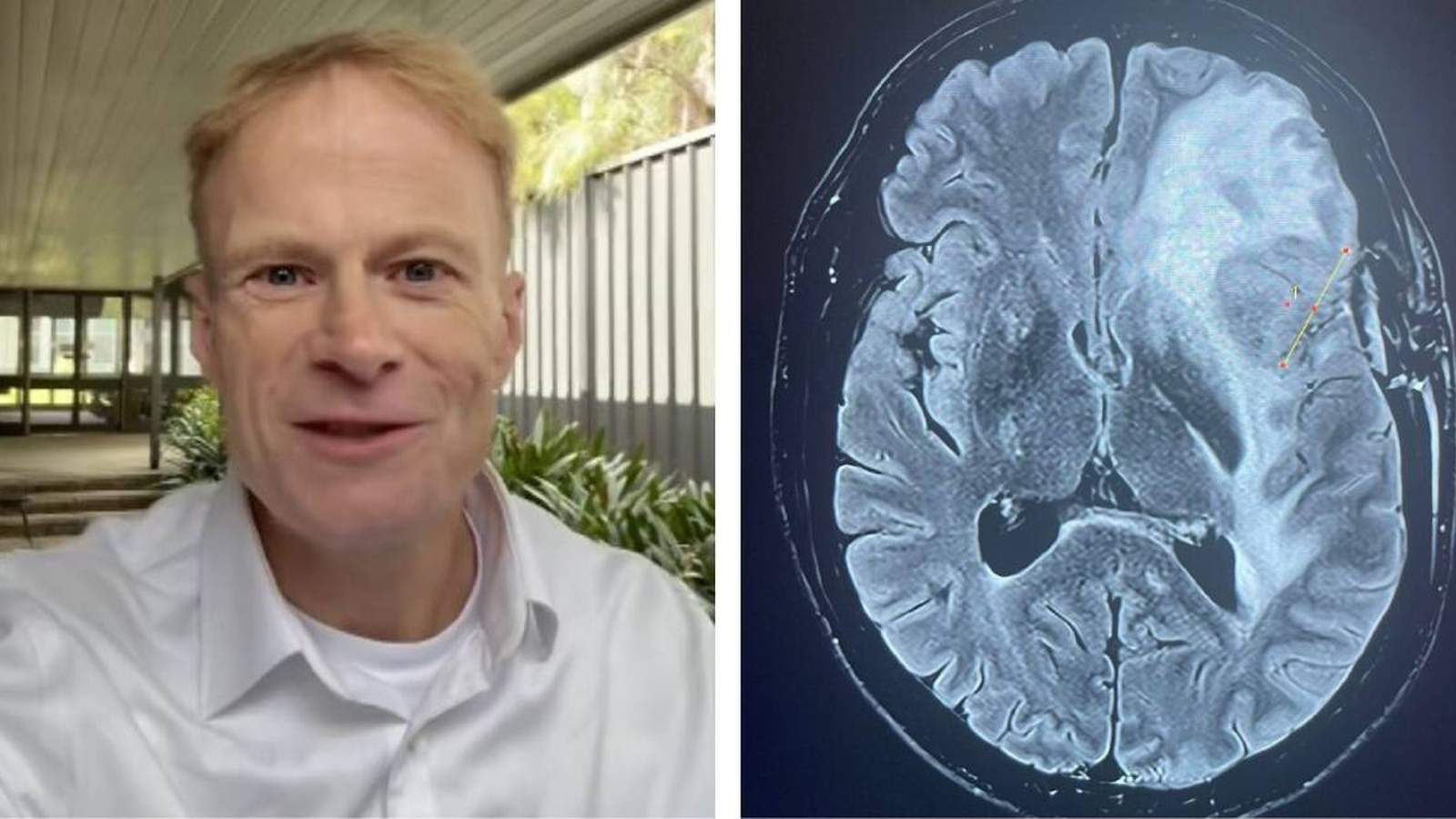
Professor Richard Scolyer Shares Update Amid Health Decline
Renowned melanoma expert Professor Richard Scolyer reports his battle with glioblastoma has become ‘a bit tougher’ as he continues to advocate for experimental treatment research.
-
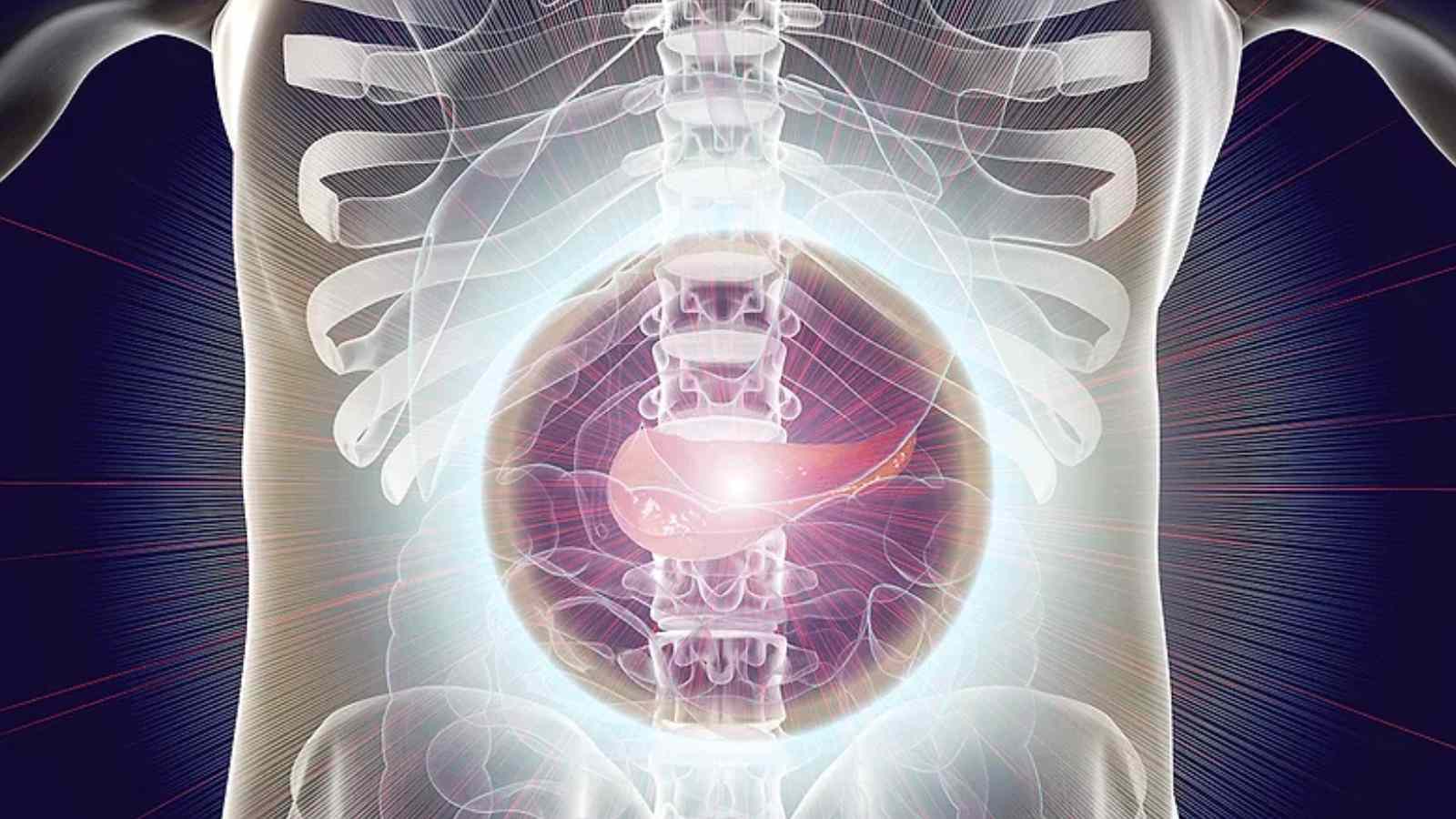
New Pancreatic Cancer Breakthrough Offers Unprecedented Survival
A new oral drug, daraxonrasib, has demonstrated unprecedented survival benefits in Phase 3 trials for pancreatic cancer, offering a potential shift in treatment standards.
-

Young Cancer Survivors Face Doubled Risks of New Malignancies
New research reveals that adolescent and young adult cancer survivors are twice as likely to develop subsequent primary cancers, prompting calls for earlier, more aggressive surveillance.
-

Deep Learning Tackles Clinical Data Drift and Cancer Prognosis
New research in 2026 demonstrates how deep learning is moving beyond experimental use to stabilize clinical trials and improve cancer diagnostic accuracy.
-

GLP-1 Drugs Linked to Lower Colon Cancer Risk in New Study
New research presented at the 2026 ASCO Gastrointestinal Cancers Symposium suggests GLP-1 receptor agonists may reduce colorectal cancer incidence by 36% compared to aspirin.
-
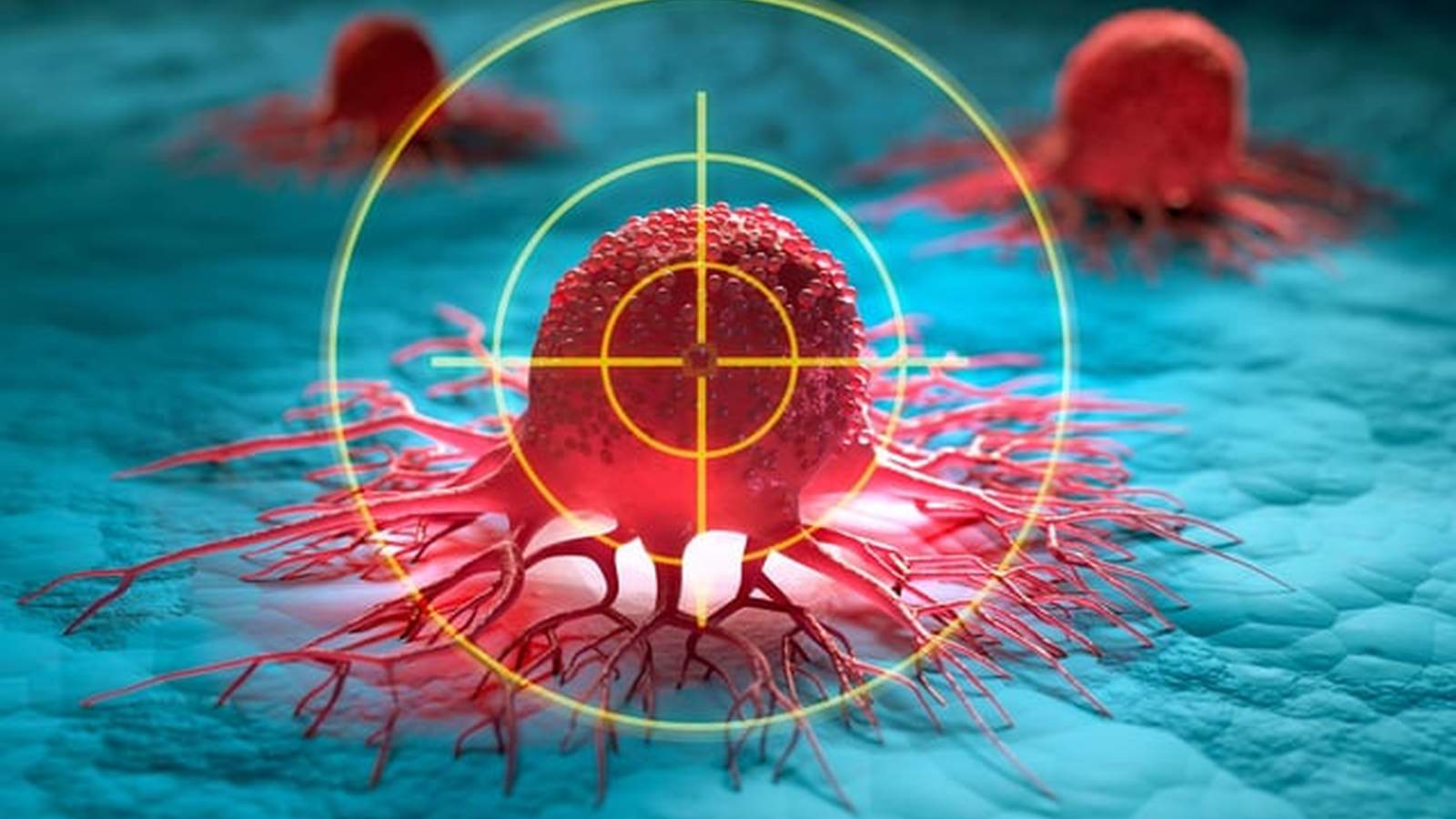
Plant Compound Triggers Self-Destruction in Aggressive Breast Cancer
Researchers have found a plant-based compound that induces apoptosis in aggressive breast cancer cells, offering hope for new treatment methods.
-

Mariano Barbacid’s Team Unveils Triple Therapy Breakthrough for Pancreatic Cancer
A research team led by Dr. Mariano Barbacid at Spain’s National Center for Oncological Research (CNIO) has reported a significant breakthrough in treating pancreatic cancer. Their novel triple-drug therapy completely eliminated aggressive tumors in mouse models, offering new hope against…