
Quick Read
- Eight backcountry skiers and guides died in a Tahoe avalanche on February 17, 2026; one person is still missing.
- Families have identified six victims, many of whom were mothers and had strong ties to the Bay Area and alpine communities.
- Dangerous weather conditions are delaying recovery efforts, prompting the closure of Tahoe National Forest lands.
- Investigations are underway into Blackbird Mountain Guides regarding why the tour proceeded despite avalanche warnings.
- This is the deadliest U.S. avalanche since 1981, deepening grief for the tight-knit affected communities.
TRUCKEE, Calif. (Azat TV) – Families have begun identifying the victims of the devastating avalanche near Lake Tahoe, transforming a general tragedy into a deeply personal loss for the tight-knit alpine and Bay Area communities. Eight backcountry skiers and professional guides were killed, with one person still missing and presumed dead, after a massive slide swept through the remote Sierra Nevada wilderness on Tuesday, February 17, 2026. The identification of these individuals, many of whom were mothers and prominent professionals, has intensified the grief and sparked widespread mourning.
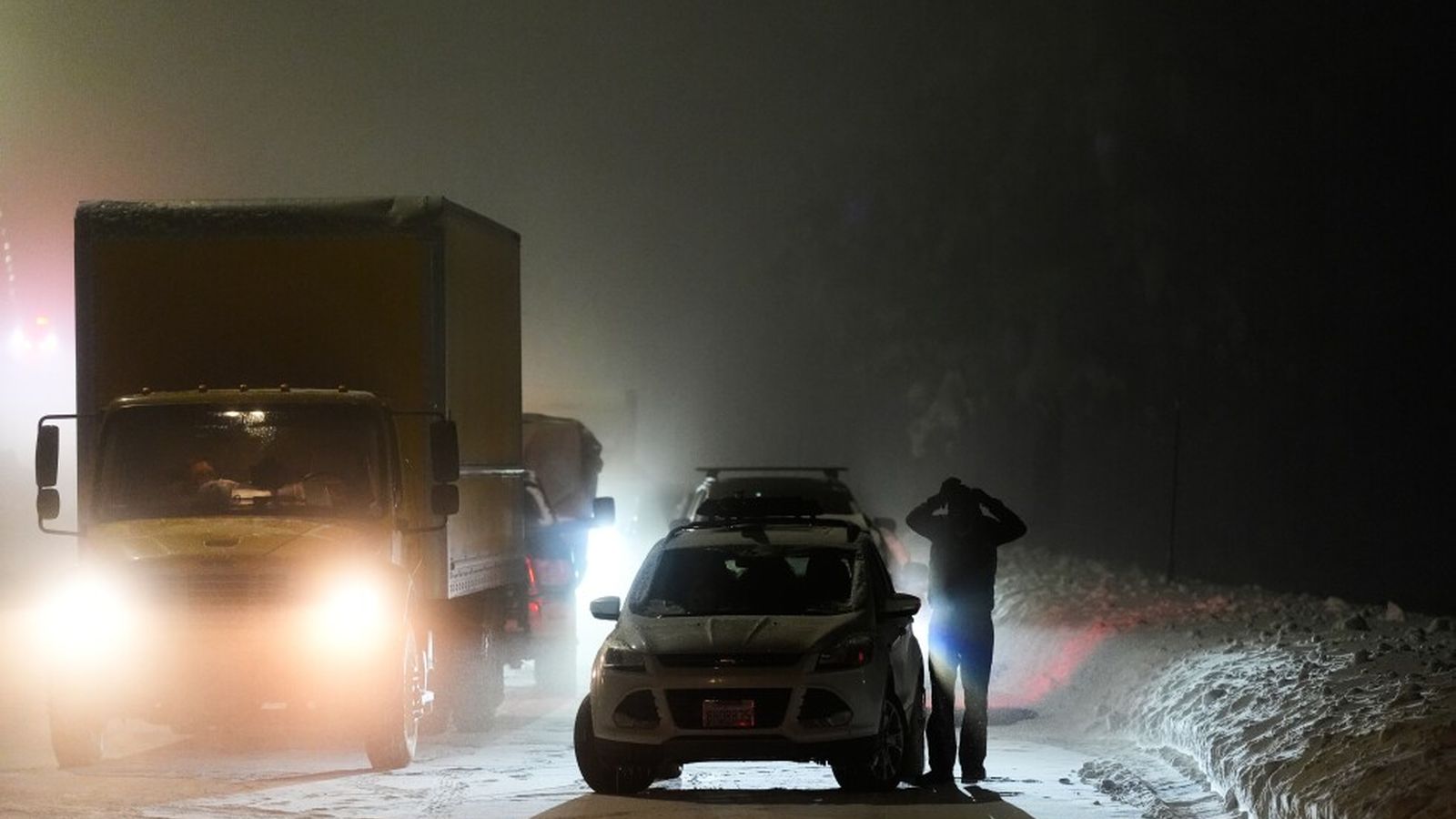
The avalanche, which struck near Frog Lake and Castle Peak, involved a group of 15 skiers and four guides from Blackbird Mountain Guides. Six people survived the disaster, but recovery efforts for the deceased have been severely hampered by dangerous weather conditions, including several more feet of snow and wind gusts up to 60 mph. Authorities have closed Tahoe National Forest lands in the Castle Peak area until March 15 due to the unstable snowpack.
Lives Lost: Victims Identified in Tahoe Avalanche
The families of six victims have released statements, providing names and details that highlight their profound connections to the community. Among those identified are Carrie Atkin, Liz Clabaugh, Danielle Keatley, Kate Morse, Caroline Sekar, and Kate Vitt. Many of these women were mothers from the San Francisco Bay Area, Idaho, and the Truckee-Tahoe region, described by their families as ‘passionate, skilled skiers who cherished time together in the mountains.’
Caroline Sekar, 45, a clinical educator and coordinator, lived in San Francisco with her husband and two children. Her neighbor, Jen Wofford, described her as ‘the sunshine’ of their block. Sekar and Liz Clabaugh were sisters, a detail confirmed by their brother, McAlister Clabaugh, who expressed his devastation to The New York Times. Kate Vitt, a streaming music executive with over a decade of experience, most recently served as Vice President of Product Operations and Customer Success at SiriusXM in San Francisco, having previously worked at Pandora.
Many victims had strong ties to the elite Sugar Bowl Academy, a private boarding and day school for competitive skiers and snowboarders on Donner Summit. Stephen McMahon, the academy’s executive director, stated that the tragedy has ‘affected each and every one of us’ within their ‘incredibly close and connected community.’ One victim was also married to a member of a local backcountry search and rescue team, underscoring the deep integration of these individuals within the alpine community.
Investigation into Blackbird Mountain Guides
The group’s three-day trip began on Sunday, February 15, just as warnings about a powerful winter storm and high avalanche risk were intensifying. The Sierra Avalanche Center had issued an avalanche watch on Sunday morning, indicating a high likelihood of large avalanches. Despite these warnings, the tour proceeded, leading to critical questions about the decisions made by Blackbird Mountain Guides.
Nevada County Sheriff Shannan Moon confirmed that authorities are investigating why the guides continued the tour. California’s Division of Occupational Safety and Health is also examining whether the company violated state workplace safety laws. Blackbird Mountain Guides, which offers mountaineering and backcountry ski trips, stated that its guides were highly experienced, trained, or certified in backcountry skiing, and were instructors with the American Institute for Avalanche Research and Education. Founder Zeb Blais acknowledged the immense tragedy, mourning the loss of three highly experienced guides among the nine presumed dead, and stated that the company has launched its own investigation.
The six survivors, including one guide, spent six hours in blizzard conditions after the avalanche, using their equipment to shelter themselves and searching for others. They found three of the deceased before rescuers could reach them just before sunset on Tuesday. This avalanche marks the deadliest in the U.S. since 1981, when 11 climbers were killed on Mount Rainier in Washington state.
Challenges in Recovery and Community Resilience
Recovery efforts remain stalled due to the extreme weather and unstable snowpack. Ashley Quadros, a spokesperson for the Nevada County Sheriff’s Office, stated that crews could not safely reach the bodies on Thursday, emphasizing the dangerous conditions. The area near Donner Summit is known as one of the snowiest places in the Western Hemisphere, averaging nearly 35 feet of snow annually. Rescuers were guided by beacons and a cellphone in treacherous conditions, carefully skiing in to avoid triggering further slides.
The profound grief permeating the Bay Area and alpine communities is palpable, with families asking for privacy as they mourn. The victims were described as experienced backcountry skiers who deeply respected the mountains, were trained and prepared for backcountry travel, and fully equipped with avalanche safety equipment, trusting their professional guides. This tragedy highlights the inherent risks of venturing into remote wilderness, even for highly experienced individuals and guided groups, especially during severe weather warnings.
The confluence of professional guiding and the personal risks undertaken by passionate backcountry enthusiasts in the face of escalating weather warnings underscores the complex decision-making processes inherent in such expeditions, now under intense scrutiny as a community grapples with immeasurable loss.