
Quick Read
- Tallon Griekspoor withdrew from the Vienna Open quarterfinal due to a back injury, giving Alexander Zverev a walkover to the semifinals.
- Griekspoor had defeated Khachanov and Nakashima before his withdrawal.
- His injury casts doubt over his Paris Masters campaign, where he faces Gabriel Diallo in the first round.
- Griekspoor leads Diallo 2–0 in head-to-head matches, but health concerns may affect his performance.
- Zverev’s advancement puts him in the ATP Finals for the eighth time.
Tallon Griekspoor’s Sudden Vienna Exit: The Story Behind the Withdrawal
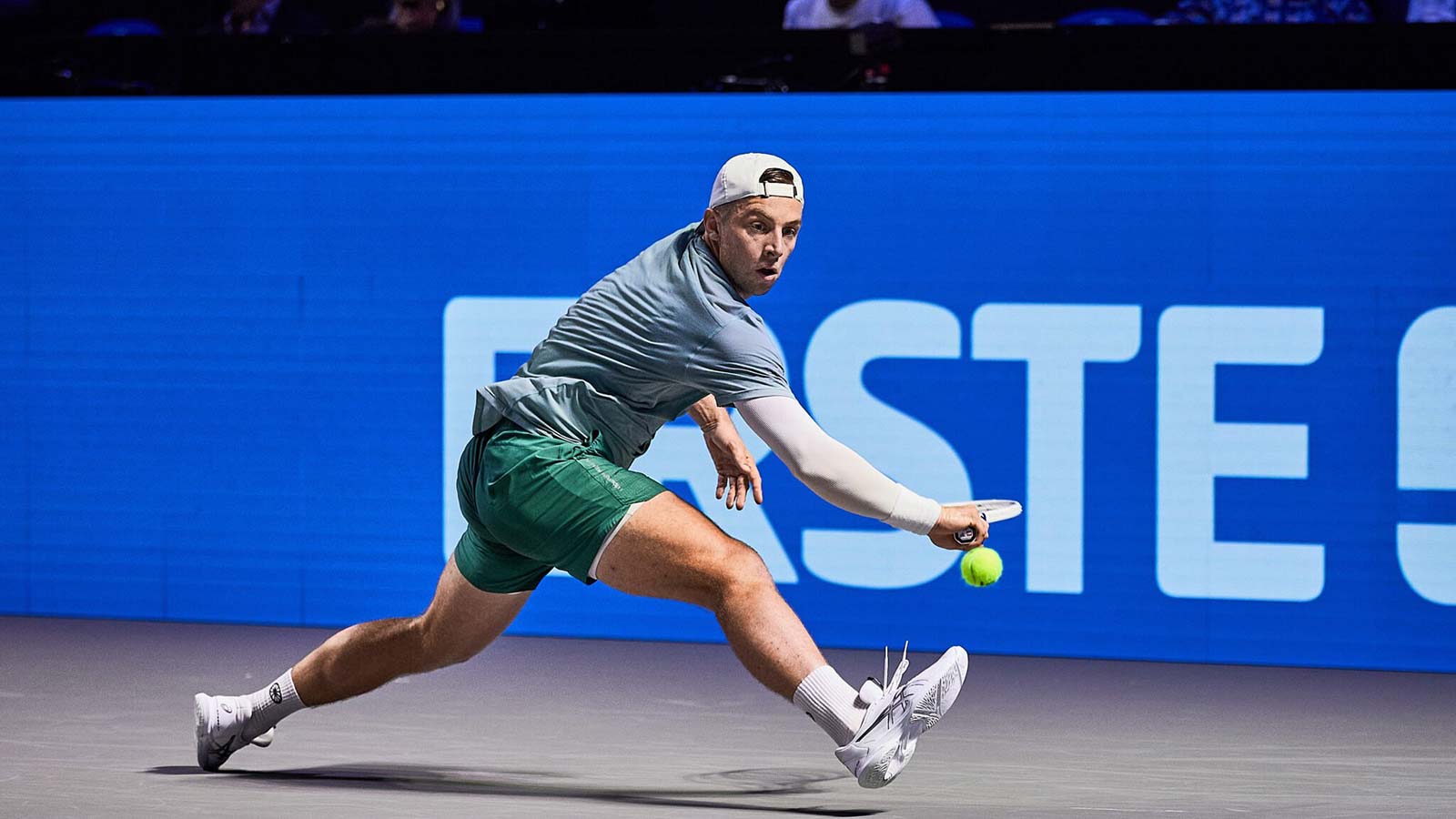
For Dutch tennis player Tallon Griekspoor, the Vienna Open was shaping up to be a career-defining week. He’d fought through two tough matches, first dispatching fifth seed Karen Khachanov and then edging out Brandon Nakashima in a pair of tense tiebreaks. Ranked 28th in the world and riding a wave of momentum, Griekspoor had his sights set on a third career victory against Alexander Zverev—his opponent in the quarterfinals.
Yet, on the morning of the match, fans and officials received disappointing news: Griekspoor was withdrawing from the tournament due to a back injury. The announcement came just hours before he was scheduled to step onto the court, handing Zverev a walkover into the semifinals. Griekspoor’s message to supporters was brief but heartfelt: “I’m sorry. See you next year, Vienna!”
From Promise to Pain: Griekspoor’s Vienna Run
Griekspoor’s withdrawal was more than just a missed match—it marked a sudden halt to a promising campaign. He had already demonstrated resilience, notching wins against formidable opponents and showing flashes of his best tennis. In fact, his hard-court victory over Zverev earlier this year at Indian Wells was still fresh in memory, fueling hope for another upset.
His Vienna performance was a turnaround after patchy results during the late summer. According to Probahis, Griekspoor’s confidence had dipped, but the bounce-back in Vienna suggested a renewed spark. Unfortunately, the back injury proved decisive, cutting short his run and casting doubt on his immediate future.
Impact on the Tournament: Zverev’s Semifinal and ATP Finals Implications
With Griekspoor out, Alexander Zverev advanced uncontested to the semifinals, joining the elite group of players qualifying for this year’s ATP Finals: Carlos Alcaraz, Jannik Sinner, and Novak Djokovic. This marks Zverev’s eighth appearance at the prestigious event, just one behind Andy Murray’s nine and far from the records set by legends like Federer and Djokovic.
| Player | ATP Finals Appearances | Best Result |
|---|---|---|
| Roger Federer | 17 | Winner |
| Novak Djokovic | 16 | Winner |
| Andre Agassi | 13 | Winner |
| Ivan Lendl | 12 | Winner |
| Andy Murray | 9 | Winner |
| Alexander Zverev | 8 | – |
Griekspoor’s withdrawal not only shifted the draw but also brought attention to the physical toll of the late-season grind. The Vienna Open saw another withdrawal earlier that day—Felix Auger-Aliassime at the Swiss Indoors in Basel—adding to the narrative of attrition among top players.
Looking Ahead: Paris Masters and Griekspoor’s Recovery
Despite the setback, Griekspoor’s season is not over. The Paris Masters is next, where he faces Gabriel Diallo in the opening round. The matchup is intriguing: Griekspoor has a psychological edge, leading the head-to-head 2–0, with previous wins at Roland Garros and Mallorca. But the lingering back issue is the wildcard. As Probahis notes, Griekspoor’s form at Paris has been solid—unbeaten in first rounds, with main-draw losses only to Djokovic and Zverev in recent years.
Diallo, a rising Canadian ranked 42nd, claimed his maiden ATP title earlier this year and enters Paris as a direct entrant. His recent form, however, has been uneven, suffering upset losses in Almaty and Basel. The match promises aggressive, first-strike tennis, with both players favoring powerful serves and forehands. For Griekspoor, movement and serve speed will be critical indicators of his recovery. If the injury doesn’t hamper him, odds tilt in his favor. But any flare-up could turn this into a coin-flip, tiebreak-heavy contest.
Griekspoor’s Year in Perspective: Peaks, Valleys, and the Road Ahead
Griekspoor’s 2025 season has been a tapestry of highs and lows. Entering Vienna with a 33–24 match record (10–11 on hard courts, 5–4 indoors), he was seeking consistency after a summer marked by patchy results. The Vienna run was a testament to his resilience, especially after a dip in confidence. His ability to challenge top seeds and push matches to the limit reflects a player on the cusp of breaking into the upper echelons of the sport—if he can stay healthy.
Now, as he prepares for Paris, the main question is simple but pressing: Can Griekspoor shake off the physical setback and recapture his momentum? His fans will be watching closely—not just for results, but for signs that he’s ready to compete at his best.
Conclusion: More Than a Walkover—A Test of Resilience
While Alexander Zverev moves forward in Vienna, Tallon Griekspoor faces a different kind of challenge. His brief apology—“I’m sorry. See you next year, Vienna!”—speaks volumes about the disappointment athletes feel when forced to step aside. But for Griekspoor, the next chapter is already in motion. Paris offers a chance to rebound, both physically and mentally, and prove that a single setback need not define a season.
Griekspoor’s withdrawal from Vienna highlights the precarious balance between physical health and competitive ambition in professional tennis. His journey through adversity, combined with his determination to return in Paris, underscores the resilience required at the sport’s highest level. Whether he thrives or struggles in Paris, his season remains a compelling story of persistence against the unpredictable demands of the tour.