
Quick Read
- Tate McRae, a Canadian pop star, has an onstage alter ego named ‘Tatiana’.
- She describes herself as introverted and sensitive offstage but transforms into a confident performer during concerts.
- McRae says she feels more comfortable in front of large audiences than in small social gatherings.
- Her dual identity helps her navigate the demands of her career and personal life.
- McRae opened up about these experiences in a recent Rolling Stone interview, as reported by Music-News.
Tate McRae: Navigating the Split Between Stage and Self
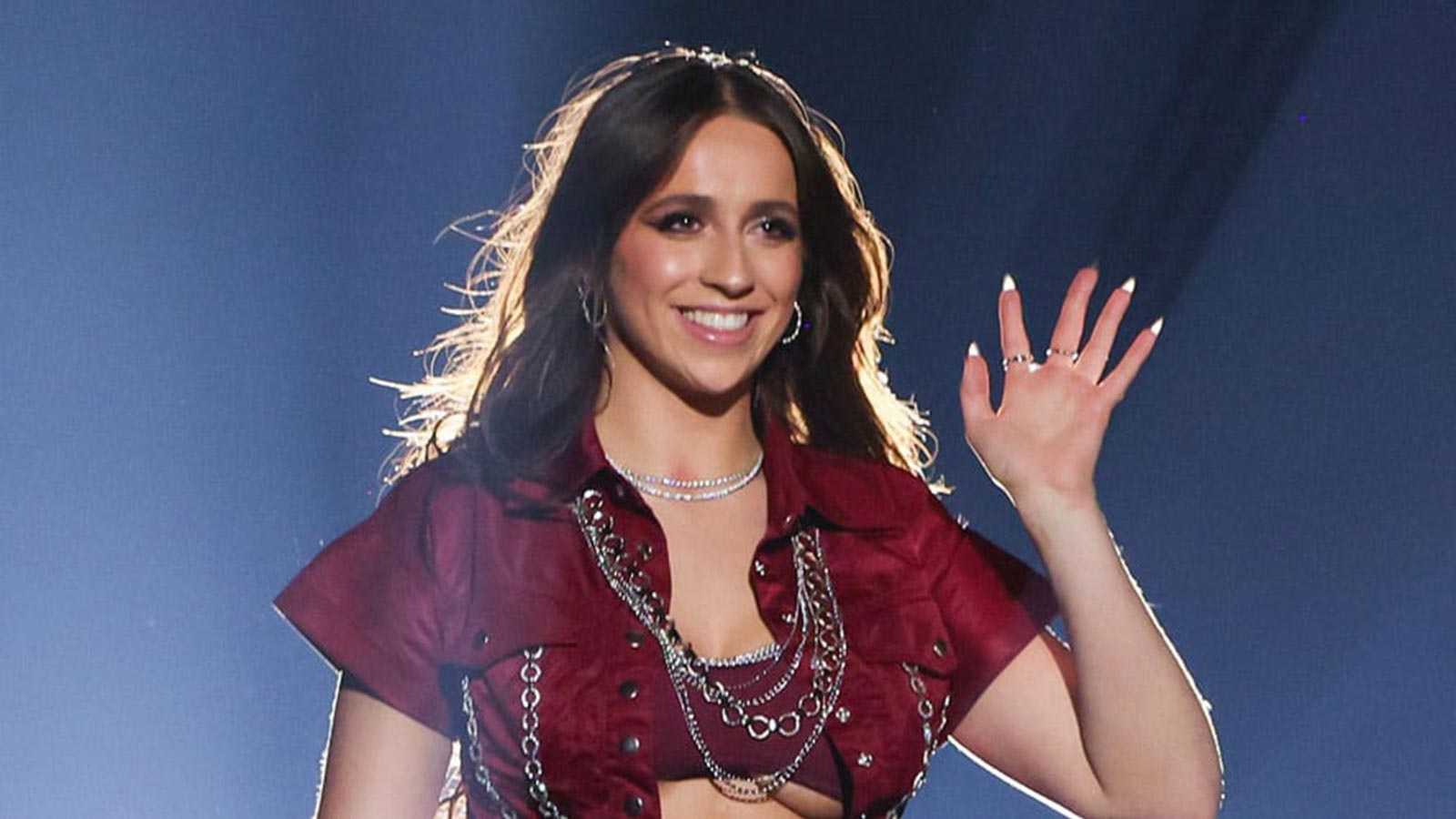
Some artists wear their hearts on their sleeves, while others wear entire personas. For Tate McRae, the Canadian singer-songwriter behind hits like ‘Tit for Tat,’ the stage is more than just a platform—it’s an alternate reality. Recently, McRae opened up to Rolling Stone Magazine about her onstage alter ego, ‘Tatiana,’ revealing a deep divide between her public and private selves (Music-News).
The Birth of ‘Tatiana’: More Than Just a Performance
At 22, McRae is already a household name in pop music. But behind the dazzling lights and roaring crowds, she admits to being ‘very introverted,’ sometimes even awkward. Offstage, she’s introspective, sensitive, and, in her own words, ‘observant.’ Yet, once the spotlight hits, something changes. ‘I started to black out onstage and become this person that I couldn’t explain, nor could my family or my friends, and I needed a reason for it,’ McRae told Rolling Stone.
This mysterious transformation led McRae to craft ‘Tatiana,’ a persona she describes as her ‘confident pop girl’ side. The process wasn’t just about giving herself permission to perform; it was about making sense of the stark contrast between the two versions of herself. ‘It’s so funny,’ she reflected. ‘Tate is this very introspective, very sensitive, very introverted, awkward Canadian. Maybe more on the shy side. I’m observant, and I feel very internal, all the time. And then, this persona that I’ve created is my way of being this confident pop girl.’
Why the Stage Feels Safer Than Small Talk
One of the most striking insights McRae shares is her comfort in front of large audiences compared to intimate gatherings. ‘I think it helps me grasp the strange theory of why I’m not nervous in front of 15,000 people, and why I can be nervous at a dinner party with four people,’ she said. For McRae, the spectacle of performance creates a kind of protective bubble, where the expectations are clear and the roles are defined. In contrast, the ambiguous social dynamics of small groups can feel daunting.
This phenomenon isn’t unique to McRae. Psychologists often note that introverts can thrive on stage precisely because the environment is controlled and the feedback is immediate and clear. In McRae’s case, ‘Tatiana’ becomes not just a mask, but a bridge—a way to channel the energy she needs to command a crowd, even when her natural inclination is to retreat inward.
Multifaceted Identity: A Pop Star’s Balancing Act
The duality McRae describes is more than just personal—it’s emblematic of a larger truth in the entertainment industry. Stars are often expected to be endlessly charismatic, but the reality behind closed doors is frequently much quieter. McRae’s willingness to discuss her introspective nature and the mechanics of her onstage transformation invites fans to see her as a whole person, not just a performer.
‘The contrast between the two is such a great way of showing how a person can be so multifaceted,’ she observed. It’s a reminder that public personas are often carefully curated, and that vulnerability can exist alongside confidence. For many young fans, McRae’s openness may offer reassurance that it’s okay to feel nervous or awkward—that these feelings don’t preclude success or artistry.
What ‘Tatiana’ Means for Tate McRae—and Her Fans
McRae’s alter ego isn’t just an artistic tool; it’s a coping mechanism and, perhaps, a source of empowerment. By naming and embracing ‘Tatiana,’ she transforms what could be an alienating experience into something creative and intentional. It’s not uncommon for performers to adopt stage names or personas, but McRae’s approach is especially transparent, inviting fans into her process rather than keeping it hidden.
As she continues to rise in the pop world, McRae’s story raises a compelling question: How many other public figures are quietly navigating similar divides? And for every fan who feels out of place in small talk but alive in front of an audience—be that a literal stage or an online platform—her narrative resonates deeply.
Ultimately, McRae’s dual identity is a testament to the power of self-awareness. By acknowledging the complexity within herself, she models a kind of self-acceptance that’s rare in an industry built on appearances.
Tate McRae’s candid revelations about ‘Tatiana’ offer a rare glimpse into the psychological balancing act many artists face. Her story is not just about performance—it’s about understanding and embracing the many layers that make up a person, both on and off stage. As she continues her journey, McRae stands as a compelling example of how authenticity and artistry can coexist, inspiring audiences to embrace their own multifaceted identities.