


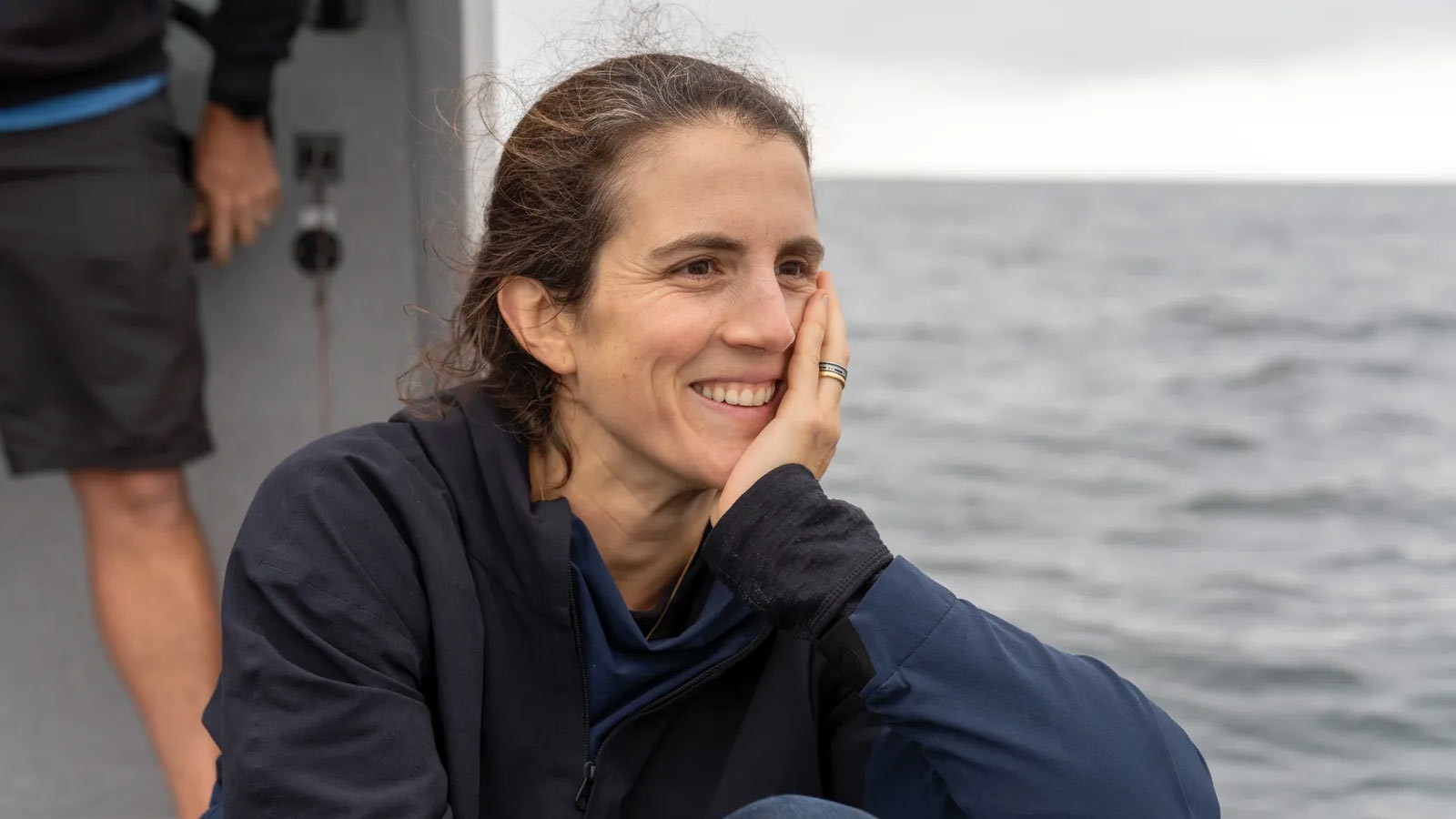
Tatiana Schlossberg’s Diagnosis: Unfolding Another Kennedy Family Chapter
Tatiana Schlossberg, the 35-year-old granddaughter of John F. Kennedy and daughter of Caroline Kennedy and Edwin Schlossberg, has announced a terminal cancer diagnosis that has cast a long shadow over her family. In a deeply personal essay published in The New Yorker on November 22, 2025—the 62nd anniversary of her grandfather’s assassination—Schlossberg revealed she has less than a year to live due to acute myeloid leukemia (AML) with a rare genetic mutation known as Inversion 3.
The timing of her diagnosis is striking. On May 25, 2024, just ten minutes after giving birth to her second child—a daughter—doctors noticed her white-blood-cell count was abnormally high. What initially seemed like a postpartum anomaly quickly escalated into a diagnosis of AML, a blood cancer that, according to the American Cancer Society, can progress rapidly and often carries a grim prognosis when associated with certain genetic mutations.
A Sudden Shift from Joy to Crisis
Schlossberg’s essay describes the surreal experience of being told she was gravely ill mere hours after welcoming new life. “I did not—could not—believe that they were talking about me,” she wrote, recalling that just the day before, she had swum a mile while nine months pregnant. Her sense of invincibility was shattered in an instant. She had considered herself “one of the healthiest people” she knew, making the diagnosis all the more unbelievable.
Following the initial shock, her treatment journey began at Columbia Presbyterian, where she spent five weeks after her daughter’s birth. Only once her blast-cell count dropped was she able to begin chemotherapy at home, but her care quickly transferred to Memorial Sloan Kettering in New York City. Over the next year, Schlossberg underwent two bone-marrow transplants, several rounds of chemotherapy, and participated in clinical trials including CAR T-cell therapy—an innovative immunotherapy approach. Despite these aggressive treatments, her cancer continued to recur.
Family Support Amidst Uncertainty
Throughout her ordeal, Schlossberg’s family became her lifeline. Her husband, Dr. George Moran, whom she married in 2017, has been by her side, caring for their two young children—a three-year-old son, Edwin Jr., and a one-year-old daughter. Her siblings, Jack and Rose, and her parents have stepped up to help raise her children and provide comfort during endless hospital stays. “My parents and my brother and sister, too, have been raising my children and sitting in my various hospital rooms almost every day for the last year and a half,” she wrote in The New Yorker essay. The pain of being unable to shield her family from yet another tragedy weighs heavily on her.
Jack Schlossberg, her younger brother, recently announced his run for Congress in New York City, a political step that echoes the family’s legacy. Her sister, Rose, a filmmaker, has also supported her through this period. Their efforts to maintain normalcy for Schlossberg’s children reflect the family’s enduring commitment to each other, even as they face relentless hardship.
A Legacy of Loss and Resilience
The Kennedy family’s history is marked by public service—and persistent tragedy. Schlossberg’s mother, Caroline Kennedy, served as U.S. ambassador to both Australia and Japan, but lost her father, President John F. Kennedy, to assassination in 1963, and her uncle Robert F. Kennedy in 1968. Jacqueline Kennedy Onassis, Tatiana’s grandmother, died in 1994 after a battle with Non-Hodgkin’s Lymphoma. John F. Kennedy Jr., Tatiana’s uncle, was killed in a plane crash in 1999. Most recently, Ethel Kennedy, widow of Robert F. Kennedy Sr., died in October 2024 at age 96. Each loss has left deep emotional scars, and Schlossberg’s diagnosis adds another layer to this storied legacy.
Schlossberg herself is a journalist, having reported for the science section of The New York Times, with a focus on climate change and environmental issues. Her professional life, marked by curiosity and advocacy, has now been overshadowed by the immediacy of her health crisis.
The Political and Medical Crossroads
Her diagnosis unfolded against a backdrop of political controversy. Schlossberg wrote candidly about her cousin, Robert F. Kennedy Jr., who was nominated and confirmed as Secretary of Health and Human Services. She criticized his decisions to cut funding for mRNA vaccine research and NIH clinical trials, expressing concern about the future of women’s health care—especially after her own treatment involved misoprostol, a drug whose status is under review at the FDA. The intersection of her personal battle and national policy underscores how health care debates can have immediate, life-altering effects for individuals.
Additionally, Schlossberg’s care was briefly threatened when federal funding for Columbia University was stripped by the Trump administration, causing anxiety about the stability of the health system she relied on. The funding was later restored, but the episode highlighted how political decisions can ripple into the most intimate corners of American life.
Living in the Present, Facing the Future
With a prognosis of less than a year, Schlossberg’s reflections are poignant and deeply human. “My first thought was that my kids, whose faces live permanently on the inside of my eyelids, wouldn’t remember me,” she wrote. The challenge now is to be present with her family, to create memories that will endure after she is gone. “Mostly I try to live and be with them now,” she explained, though she admits that living in the moment is harder than it sounds. She finds herself trying to capture memories, hoping they will stay with her—and with her children—long after she is gone.
Her essay is not just a chronicle of illness, but a meditation on love, loss, and the burden of legacy. “For my whole life, I have tried to be good, to be a good student and a good sister and a good daughter, and to protect my mother and never make her upset or angry. Now I have added a new tragedy to her life, to our family’s life and there’s nothing I can do to stop it,” Schlossberg wrote.
Despite the pain, her story also serves as a reminder of the importance of family, the unpredictability of life, and the strength found in vulnerability.
Schlossberg’s journey highlights the fragility of health and the enduring power of family bonds. Her diagnosis, set against a backdrop of political tension and generational loss, is a stark reminder that even the most storied families are not immune to tragedy. Yet, in her honest account, she offers readers a rare window into the struggle to find meaning and presence when time itself is slipping away.