
Quick Read
- Ted Bundy was a notorious American serial killer active in the 1970s, responsible for at least 30 murders.
- Netflix dramas like ‘Monster: The Ed Gein Story’ have reignited debates over how serial killers are portrayed in media.
- Critics argue that such portrayals can blur the lines between fact and fiction, sometimes romanticizing or humanizing murderers.
- Pop culture adaptations often focus on Bundy’s charm and intelligence, sparking controversy about the ethics of true crime entertainment.
Ted Bundy: The Making of a Modern Monster
In the shadowy corridors of American true crime, few names cast as long or as chilling a shadow as Ted Bundy. Decades after his execution, Bundy remains both a source of horror and a strange fascination—a figure dissected in documentaries, portrayed by Hollywood stars, and now, refracted through the lens of streaming giants like Netflix. But how did Bundy become such a fixture in the pop culture psyche? And what does his portrayal in the age of binge-worthy TV reveal about our collective relationship with evil?
Serial Killers in the Spotlight: From Bundy to Netflix
Netflix’s recent dramatization of infamous murderers, including Ed Gein and Richard Speck, has reignited interest in the real stories behind the screen. While Monster: The Ed Gein Story focuses on Gein’s gruesome legacy, the series also weaves in dramatized appearances by other notorious killers, among them Ted Bundy. It’s a narrative choice that reflects the interconnected mythology of America’s most infamous criminals—and the public’s seemingly insatiable appetite for their stories.
Bundy’s crimes are by now the stuff of grim legend: a charismatic law student who used his charm to lure and kill at least 30 young women during the 1970s. His trials were media spectacles, his escapes from custody almost cinematic. The public’s horror was matched by morbid curiosity—a paradox that has only intensified in the decades since.
The Netflix Effect: Fact, Fiction, and the Legacy of Bundy
Streaming platforms have not only revived interest in figures like Bundy but have blurred the lines between fact and fiction. The success of shows such as Monster reflects a broader trend: the transformation of true crime from news headline to entertainment genre. In this landscape, Bundy is no longer just a criminal—he is a character, a cipher for society’s darkest questions.
This shift is not without controversy. As inkl reports, Netflix’s portrayal of Ed Gein in Monster sparked debate about romanticizing or humanizing murderers. Some viewers objected to scenes that seemed to invite empathy for Gein, or to depict him as a misunderstood antihero, rather than confronting the brutal reality of his crimes. The same criticism has been leveled at dramatizations of Bundy, particularly those that focus on his charm or intelligence rather than the suffering of his victims.
“Finished this Ed Gein series and…I feel like, towards the end, I was being gaslit into feeling empathy for this man who murdered people,” one viewer commented. Others argued that these portrayals challenge audiences to confront the complexities of mental illness and societal fascination, rather than simply consuming horror as spectacle. The debate echoes every time a new Bundy project is released: where is the line between exploring the psychology of evil and glamorizing it?
Bundy’s Influence: Pop Culture, Movies, and Moral Questions
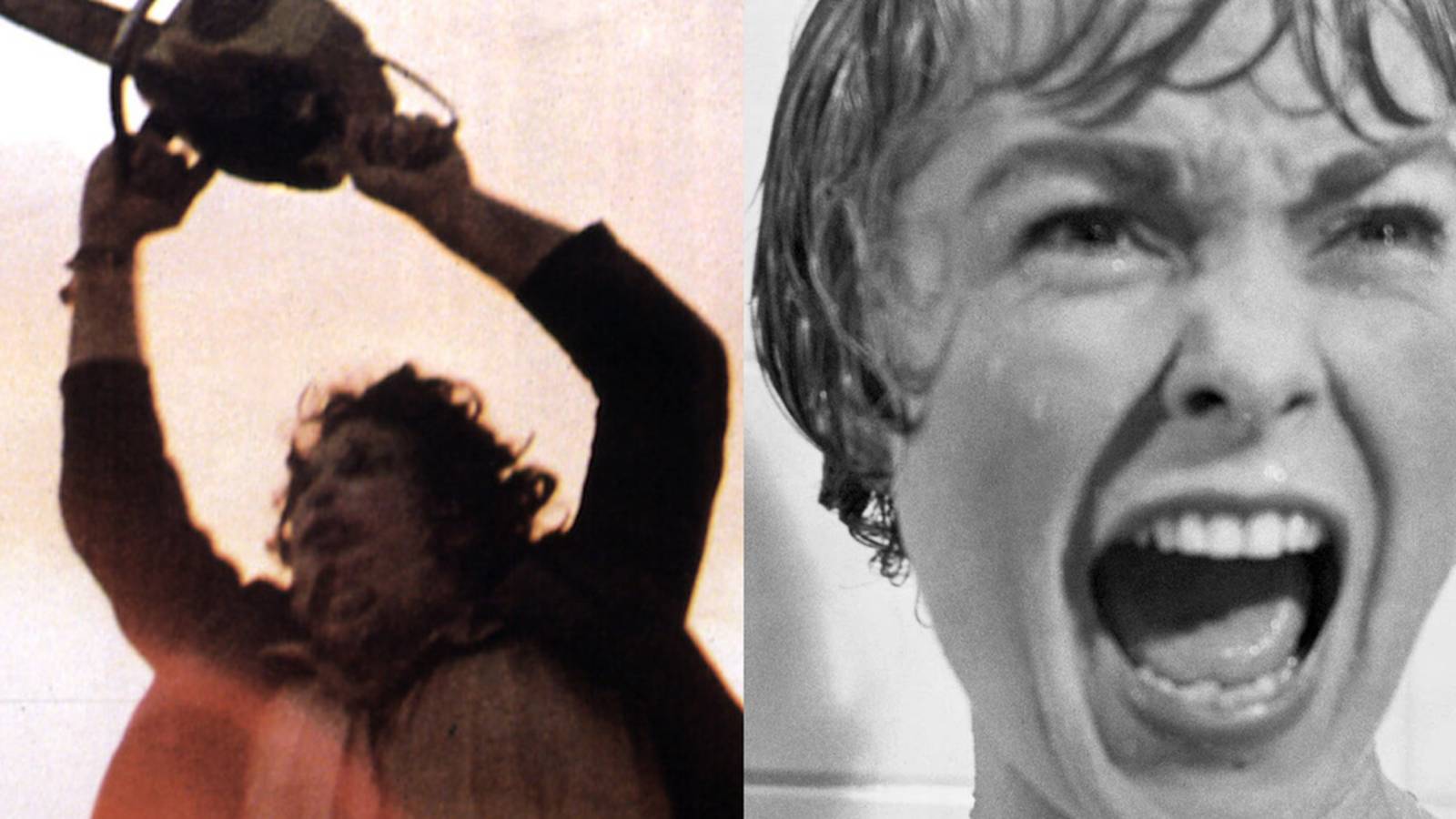
The reach of Bundy’s legacy extends far beyond news reports or court transcripts. Alongside Ed Gein, Bundy has inspired countless films, books, and documentaries. From the slasher icons of the 1970s and 80s to modern psychological thrillers, the template of the charming, intelligent, remorseless killer owes much to Bundy’s real-life persona.
Yet, the stories we tell about killers like Bundy are not just about them—they are about us. Why do audiences return, again and again, to these grim narratives? Is it a search for understanding, a desire for catharsis, or something darker—a thrill in the proximity to danger from the safety of our living rooms?
Netflix’s dramatizations, for all their production values, force us to confront these uncomfortable questions. As Reuters and other outlets have noted, the families of victims often feel re-traumatized by the constant retelling of these stories. Legal advocates have even called for profits from such series to be shared with victims’ families, highlighting the ethical dilemmas at play.
The Bundy Mythos: Between History and Sensationalism
What remains, after the credits roll and the interviews end, is a complicated legacy. Bundy’s crimes were monstrous, his manipulation chilling. But the cultural machinery that has elevated him to near-mythic status is itself worthy of scrutiny. Each retelling—whether on Netflix, in Hollywood, or in books—adds another layer to the mythos, sometimes at the expense of truth, empathy, or historical accuracy.
In the end, Ted Bundy’s story is not just about one man’s capacity for evil. It is about how societies process horror, how media shape memory, and how—perhaps inevitably—some monsters become icons. As streaming platforms continue to mine the archives of true crime, viewers and creators alike must grapple with the costs of turning tragedy into entertainment.
Bundy’s continued presence in our collective consciousness reveals more about society’s fascination with darkness than about the man himself. As the line between fact and fiction blurs, it is vital to remember the real victims behind the myth—and to question what our obsession with such figures truly says about us.