
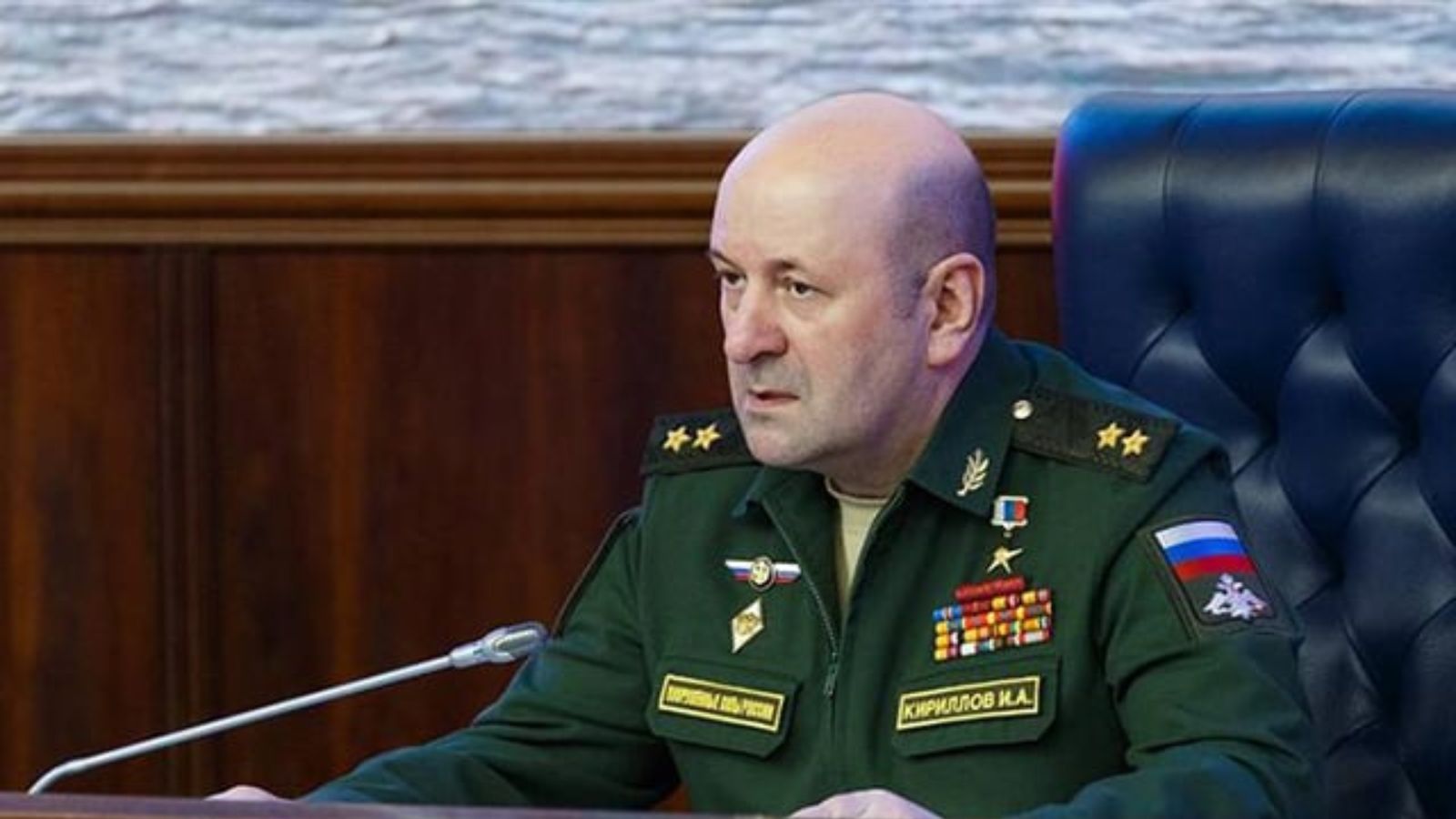
- A Moscow court sentenced Ahmadjon Kurbonov to life imprisonment and imposed a 1 million ruble fine for the assassination of General Igor Kirillov, head of Russia’s Radiological, Chemical and Biological Protection Troops.
- Three co-defendants received prison terms for aiding Kurbonov; one admitted guilt in part, while two denied it.
- The killing occurred in December 2024 when a bomb-equipped scooter was placed at the entrance to the general’s apartment, killing two servicemen.
- The case drew wide attention as a high-profile terrorist act targeting senior military officials, with charges including participation in a terrorist organization and illegal circulation of explosive materials.
The court also sentenced three other individuals who allegedly assisted Kurbonov: Rob ert Safaryan, Batukh an Tochiyev and Ramazan Padiyev. The outcomes ranged from partial admissions of guilt to outright denials. Safaryan pleaded to some charges, indicating at least a degree of involvement, while Tochiyev and Padiyev disputed the allegations against them. Legal prosecutors argued that all three participated in the activities of an illegal terrorist organization and engaged in unlawful circulation of explosive materials. The judges’ decision to convict these accomplices reflects Russia’s continued emphasis on dismantling networks behind terrorist operations and signaling that even isolated acts of violence tied to organized groups are pursued vigorously in the courts.
The investigative and court proceedings unfolded in a climate shaped by concerns about domestic security, radicalization, and the capacity of extremist groups to exploit Russia’s vast geography and security apparatus. Analysts noted that the case was unusual for its scale and for targeting a figure at Kirillov’s level, underscoring the threat that organized terror can pose to the leadership of Russia’s military institutions. The exact motives behind Kurbonov’s actions remain a subject for official inquiry and public analysis, with investigators examining whether ideological, financial, or personal factors intersected with a broader attempt to destabilize a defense establishment already focused on evolving threats in the post-Soviet security order.
The verdict’s implications extend beyond the courtroom. Security experts have long argued that the protection of high-ranking officers requires not only physical security measures but also robust counterintelligence work aimed at identifying and neutralizing threats before they materialize. The Kurbonov case, along with related prosecutions, suggests that Russian authorities are maintaining a posture of zero tolerance for acts of violence that target senior officers. It also invites questions about how information is shared within the security sector, how threats are assessed in real time, and how legal processes can contribute to deterring future attacks.
From a judicial perspective, the sentences reflect a pattern in which Russian courts address terrorism not merely as acts of violence but as organized criminal enterprises that extend across networks. The defense arguments, the nature of the charges—particularly participation in a terrorist organization and illegal circulation of explosive materials—and the eventual verdicts illustrate the complexity of prosecuting such cases under Russian law. The court’s decision to impose life imprisonment on Kurbonov aligns with the severity of the crime as defined by Russian statutes, while the other defendants’ outcomes demonstrate the proportional approach courts often take when weighing the evidence of collaboration and intent.
The families of those killed, along with Kirillov’s colleagues, have been left with a mixture of grief and resolve. The incident has prompted discussions about the balance between security policy and civil liberties, and it has reinforced the sense that the state is intent on pursuing accountability wherever threats emerge. In a broader sense, the case raises questions about the vulnerability of even highly protected figures and the kinds of risk factors that can enable an attack to bypass layers of security designed to safeguard the country’s defense leadership. The lessons drawn from the court’s rulings will likely feed into ongoing debates about security reforms, counter-extremism strategies, and the resilience of Russia’s armed forces in the face of evolving threats.
Analysts caution that while this verdict closes a chapter on this particular attack, it also signals that the fight against terrorism in Russia remains persistent and multifaceted. Security agencies are expected to continue refining predictive and preventive measures, especially in relation to personnel assignments and the logistics surrounding high-ranking officers. It remains to be seen how relevant reforms might unfold in the RCBB and related units, especially given the critical role these forces play in Russia’s strategic deterrence and readiness across a range of possible scenarios.
The Kurbonov case also highlights the broader global context of terrorism that governments have faced over the past decade: the shift toward hybrid and decentralized forms of violence that combine ideological motives with operational networks and the use of improvised explosive devices. While international observers watch for patterns in Russia’s handling of this case, the verdict will likely be cited in policy discussions about how to counter such threats in the future, including the importance of intelligence-sharing, rapid judicial processes, and the balancing of civil liberties with the necessity of robust security measures.
In summary, Ahmadjon Kurbonov’s life sentence for the killing of General Igor Kirillov, together with the outcomes for his accomplices, represents a consequential moment in Russia’s ongoing struggle with terrorism and security. It demonstrates the state’s willingness to pursue and adjudicate even highly consequential acts of violence against senior military leadership, while also highlighting the continuing need to fortify defenses, intelligence work, and legal frameworks to prevent similar tragedies from occurring again. The legal and policy implications will likely be the subject of further analysis in the months ahead as authorities assess the effectiveness of existing measures and consider potential enhancements to protect the nation’s top security personnel.
Final Analysis: The verdict in the Kirillov case underscores Russia’s resolve to combat terrorism targeting its military leadership, while signaling the ongoing need for integrated security reforms, robust counterterrorism work, and continued vigilance against organized extremist networks operating within the country.