
Quick Read
- Terry Xu, TOC editor, was absent from a High Court hearing on Feb 26, 2026, for defamation damages.
- Ministers K. Shanmugam and Tan See Leng were present, seeking damages after a default judgment against Xu.
- Senior Counsel Davinder Singh argued for higher, aggravated damages due to the severity of allegations and Xu’s conduct.
- Justice Audrey Lim instructed Singh to file closing submissions within two weeks, to be served to Xu in Taiwan.
- The suits stem from a December 2024 TOC article referencing a Bloomberg report on Good Class Bungalow transactions.
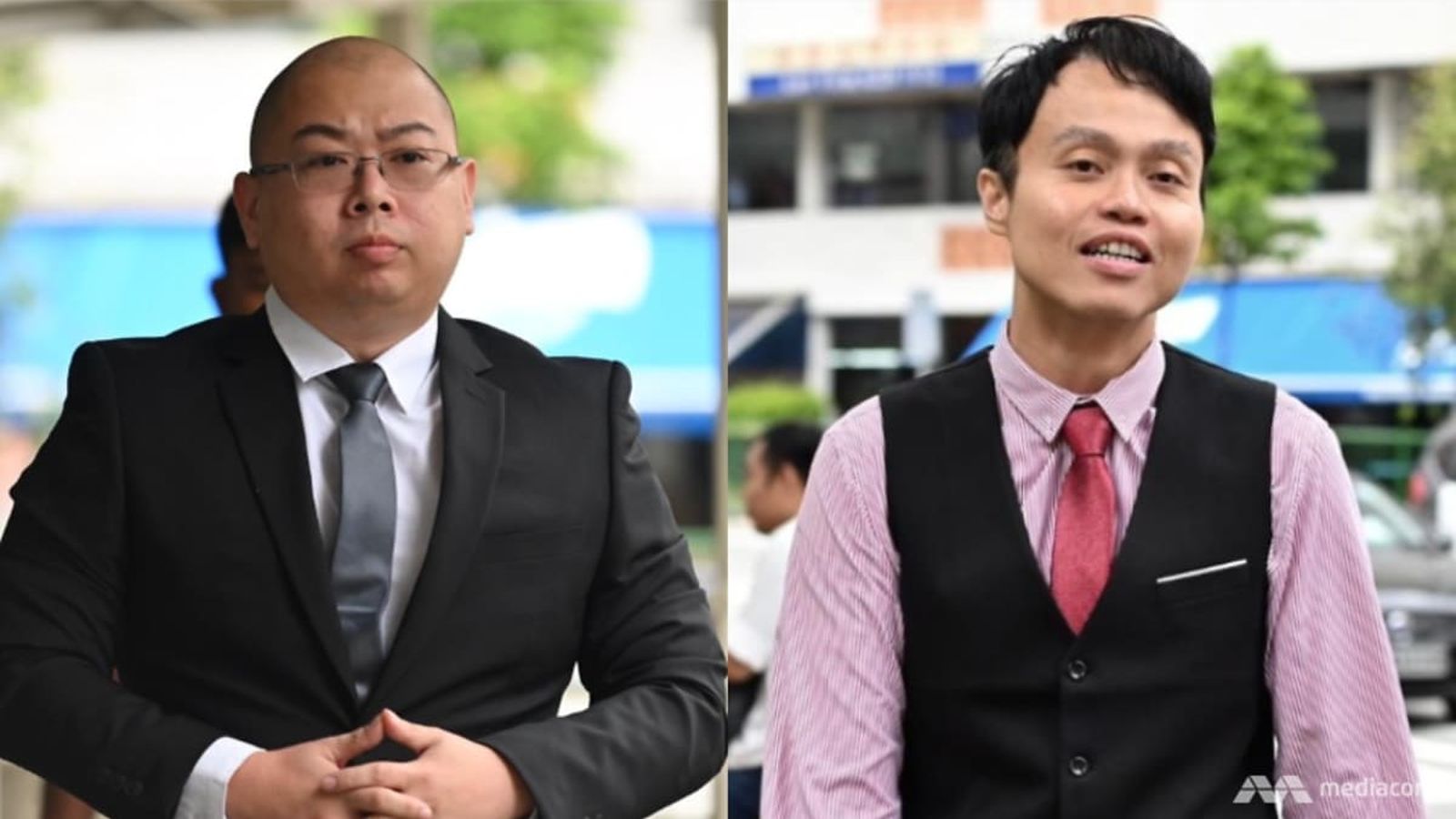
SINGAPORE (Azat TV) – Terry Xu, the chief editor of the socio-political website The Online Citizen (TOC), was notably absent from a High Court hearing on February 26, 2026, where Singaporean Cabinet ministers K. Shanmugam and Tan See Leng sought to determine the amount of damages owed to them in a series of defamation suits. The hearing marks a critical juncture in the legal battle, following a default judgment granted against Xu in August 2025, which found him liable for defaming the ministers.
Mr. Xu, who reportedly relocated to Taiwan after being sentenced in a separate criminal defamation case, did not appear in court nor did he send any legal representation. His absence prompted Senior Counsel Davinder Singh, representing both ministers, to highlight that Xu’s failure to file a defense meant the facts presented in the ministers’ statements of claim were considered admitted. The proceedings were primarily focused on assessing the quantum of damages Xu must pay.
High Court Hearing Sets Stage for Damages Assessment
The 30-minute hearing, presided over by Justice Audrey Lim, saw both Minister for Home Affairs and Coordinating Minister for National Security K. Shanmugam and Minister for Manpower Tan See Leng take the stand. They answered clarification questions from Justice Lim regarding the dates of their ministerial appointments, underscoring the procedural nature of the session, according to reports by The Straits Times and Channel NewsAsia.
Senior Counsel Davinder Singh argued vehemently for substantial damages, contending that Mr. Xu’s defamatory allegations were “of the gravest kind.” He emphasized that the wide reach of TOC’s website and social media pages warranted higher damages, as the extent of publication directly impacts the harm caused. Singh also pointed to Mr. Xu’s post-suit conduct, including his alleged refusal to remove the article and social media posts despite legal demands and a court-granted restraining order, as grounds for aggravated damages. Furthermore, Singh claimed that Xu had waged a public campaign to garner sympathy from Singaporeans by falsely accusing the ministers of suppressing “press freedom” through “legal threats” or “harassment.”
At the conclusion of the hearing, Justice Lim instructed Senior Counsel Singh to file closing submissions within two weeks. These documents are to be served to Mr. Xu via email and personally at his stated address in Taiwan within seven days of filing. The court will deliver its verdict on the damages at an unspecified later date.
Origin of the Defamation Suits Against Terry Xu
The defamation suits against Terry Xu stem from an article published on TOC’s website in December 2024. Titled “Bloomberg: Nearly half of 2024 GCB transactions lack public record, raising transparency concerns,” the TOC piece referenced a Bloomberg article, “Singapore Mansion Deals Are Increasingly Shrouded in Secrecy,” published on December 12, 2024. The Bloomberg article, written by Low De Wei, discussed Good Class Bungalow (GCB) transactions in Singapore and mentioned property dealings involving Minister Shanmugam and Dr. Tan.
The TOC article specifically cited Bloomberg’s reporting that Dr. Tan purchased a GCB in Brizay Park in 2023 for S$27.3 million, noting it was not his first foray into the GCB market. It also contained a paragraph claiming that the “intertwining of political figures with opaque real estate practices underscores the need for stronger safeguards.”
In response to the publications, K. Shanmugam and Tan See Leng indicated in December 2024 that they would take legal action against media outlets. POFMA (Protection from Online Falsehoods and Manipulation Act) orders were issued to TOC, The Edge Singapore, The Independent Singapore, and Bloomberg in relation to the article on December 23, 2024. On January 6, 2025, the ministers filed separate defamation suits against Bloomberg and its reporter, Low De Wei, with trial dates for those cases set for April 2026. The lawsuit against Terry Xu was also filed on the same day, January 6, 2025.
Terry Xu’s Legal Posture and Calls for Aggravated Damages
On August 26, 2025, Justice Lim granted a default judgment in favor of Mr. Shanmugam and Dr. Tan against Terry Xu, meaning Xu was found liable for defamation because he failed to file a defense. This effectively meant the case moved directly to the assessment of damages. Mr. Xu’s subsequent relocation to Taiwan and his continued absence from court proceedings have been highlighted by the ministers’ legal team as evidence of his disregard for the judicial process.
Senior Counsel Singh underscored the high standing of the claimants as public leaders and individuals of the “highest integrity,” arguing that their positions warranted heavier damages. He contended that instead of apologizing or removing the offending article, Mr. Xu had actively campaigned against the ministers, accusing them of suppressing legitimate journalism. This conduct, Singh asserted, further supports the claim for aggravated damages, aimed at penalizing the defendant for malicious or high-handed behavior.
The High Court hearing on February 26 marks a significant step towards concluding the defamation suits against Terry Xu, shifting the focus entirely to the financial accountability for the alleged defamatory statements. The case underscores the legal framework in Singapore concerning online publications and the determination of damages against individuals, even when they are absent from court proceedings.